Al Naja Charity Visits Hussein Cancer Foundation and Center in Jordan to Discuss Supporting Patients from Gaza
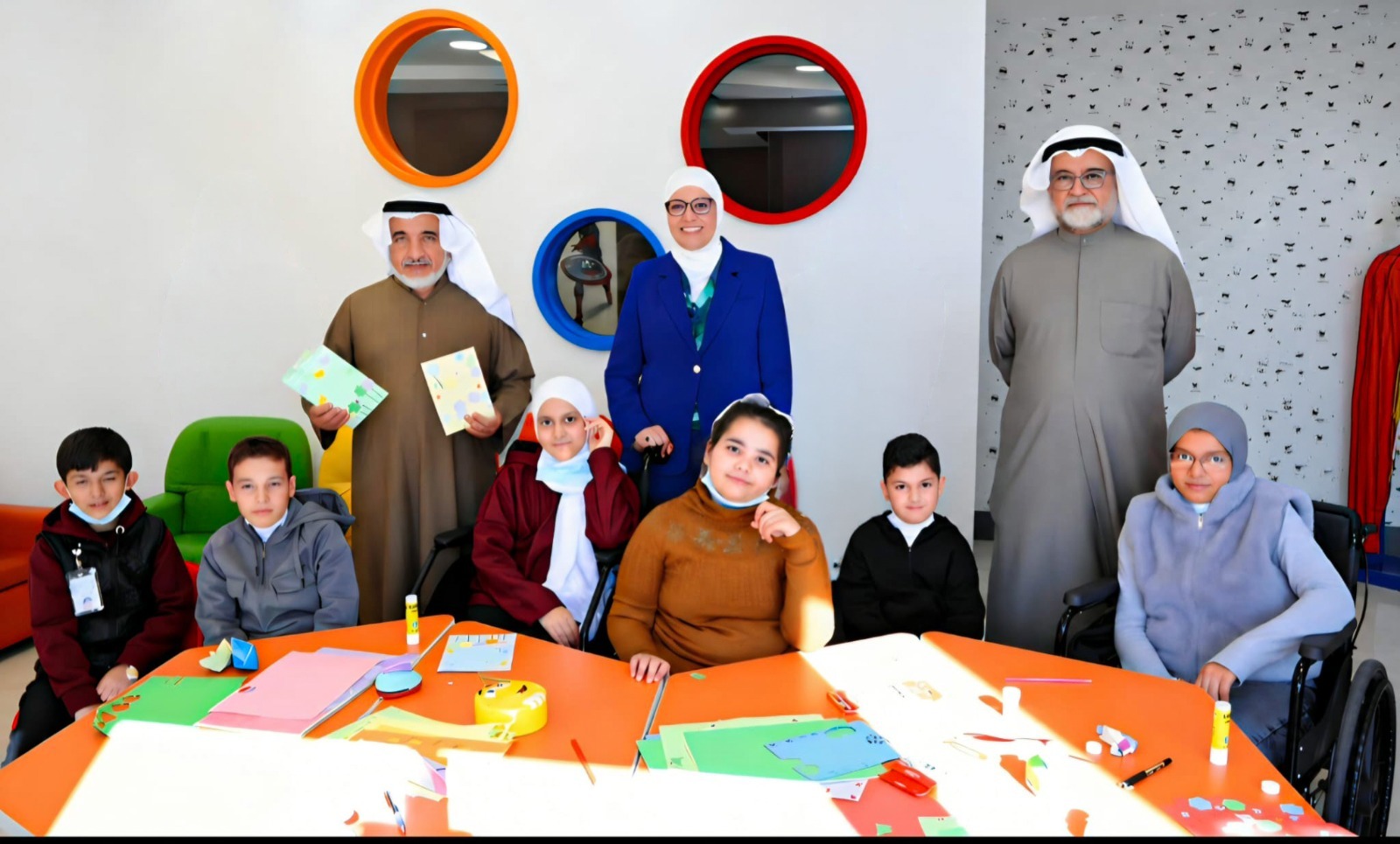
Al Naja Charity delegation visits the Hussein Cancer Center in Jordan to discuss supporting patients from Gaza
Translated by Alqyas from Al-Wasat — Original source
- Al-Zamil: Al-Hussein Cancer Center Covers Treatment Costs for 470 Patients from Gaza, Along with Accommodation for Their Companions
A delegation from Al-Najah Charity Foundation, comprising the Al-Hussein Cancer Center and the foundation itself, visited the Jordanian capital, Amman. The delegation included the Chairman of the Board of Directors of the Association, Faisal Al-Zamil, and the Advisor to the Chairman, Mohammed Al-Ansari. The delegation reviewed the medical and humanitarian services provided by the institution and the center to patients, particularly those arriving from the Gaza Strip, amid escalating health and humanitarian challenges in Palestinian territories.
The delegation was received by Nisreen Qutamash Al-Kharbashah, the General Manager of the Al-Hussein Cancer Center and Foundation. She praised the pioneering humanitarian efforts undertaken by the State of Kuwait and the aid and relief provided to brothers and friends under the slogan “Kuwait is by your side.” She emphasized that these efforts embody the highest meanings of human solidarity, reaching those in need without discrimination based on language, color, religion, or race.
Al-Kharbashah explained that the Al-Hussein Cancer Center and Foundation adopt an integrated approach to patient care, combining specialized oncology treatment with social, psychological, and humanitarian support. She noted that since their establishment in 2003, the institution and center have provided medical services to approximately 6,732 patients from more than 11 countries, including Jordan, Palestine, Syria, Iraq, Yemen, Egypt, Sudan, Lebanon, Algeria, Libya, and others.
She added that the care system extends beyond medical treatment to include accommodation for patients and their companions, as well as transportation services for non-resident patients, ensuring their regular transfer from their homes to the center for periodic treatment sessions.
The institution and center place special emphasis on pediatric patients by providing educational programs for children residing there, ensuring the continuity of their education and preventing interruptions due to illness. The center also offers social and psychological counseling services provided by specialists, supporting patients and their families during this difficult phase, recognizing the importance of psychological and social stability in the journey of treatment and recovery.
Regarding the urgent needs of patients arriving from the Gaza Strip, Al-Kharbashah revealed that the Al-Hussein Cancer Center and Foundation have provided treatment services to 200 patients from the sector, while providing necessary support for their companions and preparing to receive new cases to be evacuated in the coming period.
She clarified that the support plan covers accommodation, transportation, and living expenses for patients and their companions for up to 12 months. She pointed out that humanitarian and medical needs are continuously escalating due to events in the Gaza Strip and the West Bank, which have led to a deterioration in the health system. This has prompted the Jordanian government to cover the treatment costs of Palestinian patients free of charge.
She noted that the average cost of treating a single cancer patient exceeds $50,000, and this cost may increase depending on the nature and complexity of the case. The total financial needs for current patients at the center are estimated at approximately $12.5 million until the end of 2026.
In a worrying indicator of the scale of the health disaster in the sector, Al-Kharbashah stated that approximately 12,000 cancer patients in Gaza are deprived of receiving treatment, with adults comprising 93.9% and children 6.1%. She emphasized that the vast majority are unable to regularly access treatment, medications, and basic medical care.
She highlighted that the suffering of these patients is exacerbated by shortages of oncology drugs and medical supplies, as well as the disruption of diagnostic services, examinations, and case follow-ups, in addition to the difficulty in obtaining
Regarding palliative care and psychological support, given the trauma effects patients endure, the loss of a sense of security, and the fear of lacking treatment opportunities. Al-Kharabsheh emphasized that medical evacuation from the sector represents the available pathway for patients to access specialized treatment, making the King Hussein Cancer Center a primary destination for receiving evacuated cases. She explained that the center began admitting patients from Gaza in 2021, with a total of 470 patients receiving specialized medical care across various stages of treatment, alongside the necessary humanitarian and psychological support.
She added that the center also provided care and support to patient companions, numbering 661 individuals, by providing accommodation and supportive services that enabled them to continue their treatment journey alongside their loved ones. The center also admitted more than 300 patients evacuated from Gaza following the events of October 7, providing them with specialized treatment, medical care, and a safe environment to help them complete their treatment journey.
Regarding mechanisms to support patients and their families, Al-Kharabsheh clarified that support measures vary to include covering accommodation costs in hotels near the King Hussein Cancer Center, providing transportation allowances for patients residing in distant areas, and offering monthly financial stipends to meet the basic needs of patients and their companions. She stressed that these aid measures are exclusively directed toward cancer patients and their companions from among the poor, needy, and refugees who cannot afford the high and prolonged costs of treatment. She affirmed that the center deducts no administrative fees from the provided assistance, ensuring that the full amount reaches eligible patients.
For his part, Faisal Al-Zamil, Chairman of the Board of Directors of Al-Najah Charity Association, praised the distinguished medical and humanitarian efforts provided by the King Hussein Cancer Foundation and Center. He emphasized that this role represents one of the most important avenues of hope for patients, including refugees, displaced persons, and the most vulnerable groups. Al-Zamil stated that the high level of medical services witnessed by the delegation during the visit, along with the commitment to providing psychological and social care for patients and their families, reflects a noble humanitarian message that transcends the boundaries of treatment to encompass the human being in all their needs and circumstances.
He added that the King Hussein Cancer Foundation and Center represent a distinguished medical and humanitarian edifice, and a shining beacon on the forehead of the sister Hashemite Kingdom of Jordan. He commended the efforts of those in charge in caring for patients and alleviating their suffering, particularly Palestinian brothers facing extremely difficult humanitarian and health conditions. Al-Zamil emphasized the importance of enhancing cooperation and integration between charitable institutions and medical and humanitarian entities, contributing to providing necessary treatment and care for patients, and reinforcing values of solidarity and human mutual assistance. He prayed to God Almighty to grant patients recovery and wellness.
