Araghchi: We place hopes on diplomacy... and retaining uranium is a red line
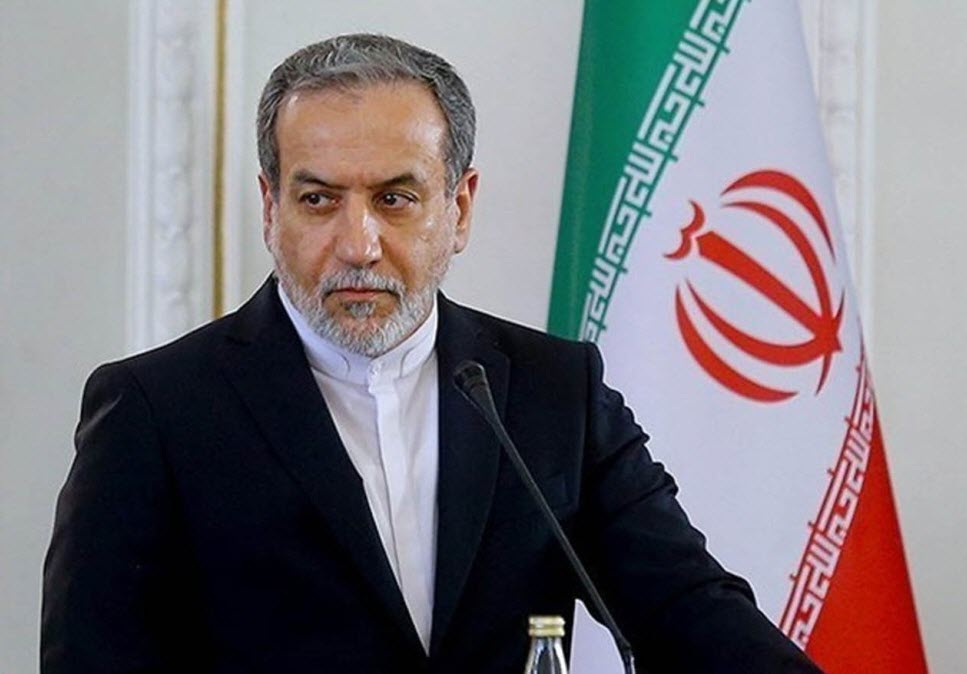
Iranian Foreign Minister confirms continued hope for diplomacy while insisting on retaining uranium, as Trump insists on rejecting the current agreement, amid Qatari mediation and security tensions.
Translated by Alqyas from Al-Wasat — Original source
Iranian Foreign Minister Abbas Araghchi affirmed that Tehran still holds out hope for diplomacy to end the war with the United States, while U.S. President Donald Trump stated that Iran wants a deal, but one that is not acceptable to him. Araghchi added that Tehran is seeking to reach “an agreement that ensures no further wars,” and wants assurances that Washington is serious about negotiations before moving forward, noting that Iran has discussed with mediators the form and nature of confidence-building measures. Araghchi stressed that Iran’s red lines include retaining enriched uranium within the country, but added, according to Reuters citing official Iranian newspapers, that he believes a “fair solution” is possible.
Trump said at a press conference yesterday: “They want to reach an agreement, but they don’t want an agreement that is acceptable to me.”
Qatari mediation: A spokesperson for the Qatari Ministry of Foreign Affairs said that Qatari and Iranian officials met on Tuesday in talks aimed at bridging differences and narrowing the gap between the proposals put forward on the ground.
Meanwhile, U.S. Treasury Secretary Scott Bessent said he is still staying at a U.S. military base after receiving threats from Iran, the nature of which he did not specify, but pledged to continue economic pressure on Tehran. In an interview with CNBC, he said, “If the Iranians are targeting me, that means they are under pressure. We will continue to exert this pressure on them.”
In the meantime, Mohammad Mokhber, advisor to Iranian Supreme Leader Mojtaba Khamenei, argued that the United States is no longer able to rally support against Tehran, reiterating his country’s seven conditions for reopening the Strait of Hormuz. In a post on his X account, he said, “The Shanghai Cooperation Organization summit in China sent a clear message to the region that the United States no longer has sufficient influence to rally support against Iran.”
President Donald Trump apparently postponed any decision on launching new major strikes against Iran until next year, thereby delaying a timeline he had previously linked to the midterm elections held this month.
For its part, Iran is racing against time to rebuild its missile arsenal and strengthen the underground fortifications of its military and nuclear facilities, in anticipation of Israeli and U.S. strikes, according to several Western sources.
