Saudi transport companies grow 21% as trade disruptions reshape opportunities
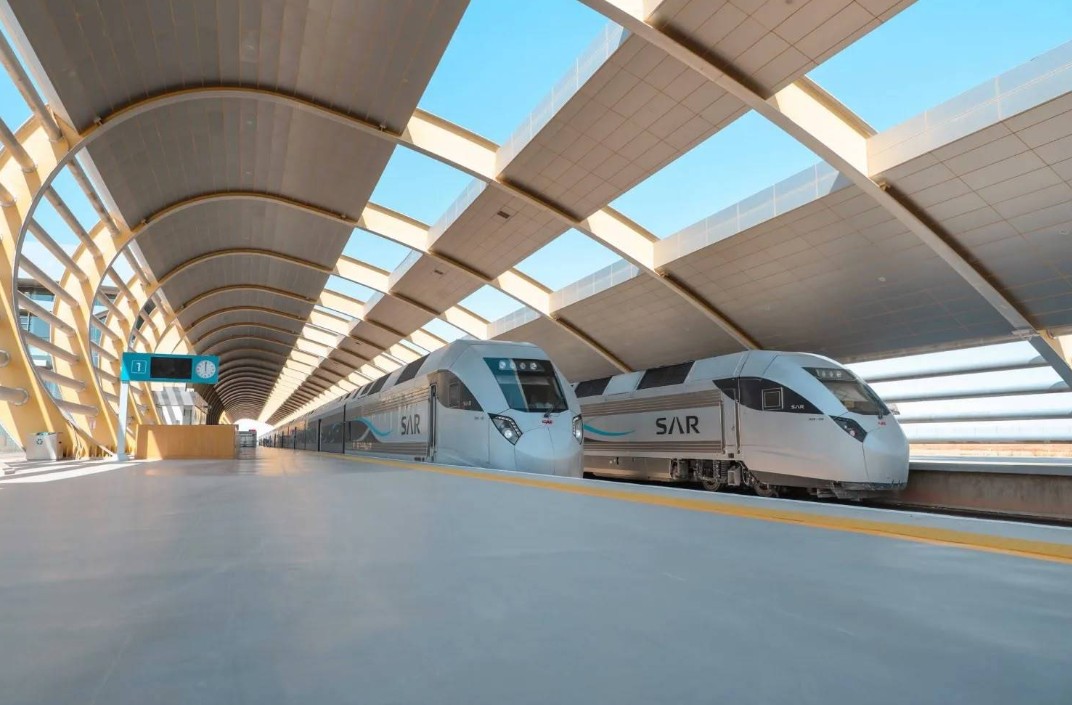
Revenue of the Saudi transport and logistics sector rose by 13% and profits by 20.7% during the first nine months of 2026, driven by growth in port and logistics activities and reduced losses for some companies, amid shifts in global trade routes
Translated by Alqyas from Al-Wasat — Original source
Saudi Arabia’s transport and logistics sector recorded growth in revenues and profits during the first nine months of 2026, driven by improved performance of logistics and port companies, increased handling activity, and reduced losses for some firms.
Combined revenues for the nine listed companies in the sector rose by 13 percent to SAR 18.08 billion, while net profits increased by 20.7 percent to SAR 1.063 billion, despite ongoing pressures on the profitability of car rental and aviation-related service companies.
These results gain additional significance amid shifts in global trade routes triggered by geopolitical tensions in the region. The war has caused disruptions to navigation through the Strait of Hormuz and the Red Sea, prompting shipping companies to seek alternative routes for cargo transport. These developments have highlighted the strategic importance of the Kingdom’s geographic location, with its ports on the Arabian Gulf and the Red Sea, as well as its land transport networks, in providing alternative routes and enhancing the resilience of regional supply chains.
Furthermore, navigation disruptions have accelerated efforts to develop logistics corridors and link Saudi ports with Gulf trade centers and global markets, thereby boosting growth opportunities for handling, warehousing, transport, and integrated logistics activities.
At the company level, the results showed varying degrees of benefit from the activity growth. Logistics and port companies led the list of winners, while profits declined for several car rental and aviation support service companies, reflecting differences in the ability of various activities to convert increased revenues into profits.
The sector comprises nine companies listed on the Saudi Stock Exchange (Tadawul): Sal Saudi, Ground Services, Budget Saudi, Dhl, Lami, Sapco, Cesc Holdings, Nas Air, and Shry.
Analysis of Results and Sector Outlook
In an analysis of the sector’s results, financial and economic expert, financial market analyst, and member of the Saudi Economic Association, Dr. Sulaiman Al Hamid Al-Khalidi, noted that revenue growth did not translate at the same pace for all transport and logistics companies. He explained that “logistics and port activities drove profit growth, while profitability margins for car rental and aviation-related service companies continued to face pressure.”
Al-Khalidi, in a statement to Asharq Al-Awsat, clarified that the rise in combined profits “reflects an expansion in operational activity within the sector, supported by growth in handling and logistics business, alongside reduced losses for Nas Air.”
He added that the expansion of trade, shipping activity, and supply chain-related activities “opens the door to new growth opportunities, particularly for companies able to improve their operational efficiency and capitalize on rising demand.” He pointed out that Saudi Saline’s top position in terms of profits, alongside strong profit growth at Cisco Holding and improved results at Sapco, highlight “the importance of diversifying income sources and enhancing integration among transport, logistics, and infrastructure activities.”
On the outlook for future developments, Mohammed Hamdi Omar, CEO of G-World Studies, projected continued growth in Saudi Arabia’s transport and logistics sector in the coming period, supported by the expansion of development projects and infrastructure investments, as well as efforts to consolidate the Kingdom’s position as a logistics hub linking three continents.
He noted that the sector is undergoing a transformation that goes beyond increasing transport and storage volumes, moving toward building an integrated logistics services system, supply chain management, and the adoption of modern technologies. Omar explained in an interview with Asharq Al-Awsat that the expansion of ports, logistics zones, airports, and transport networks, coupled with the growth of e-commerce, industrial, tourism activities, and major projects, is boosting demand for storage and distribution services, supply chain management, multimodal transport, and specialized logistics services.
