Right-Left Struggle Reshapes Influence Map in Latin America
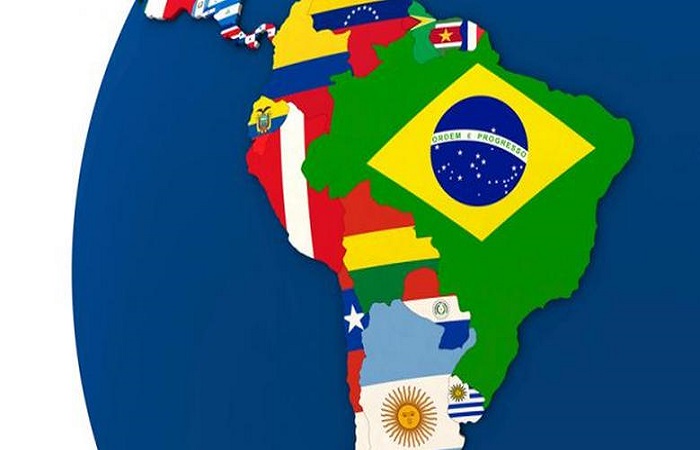
Competition between the right and left affects integration and foreign relations.
Translated by Qiyas from الوسط — Original source
Latin America is witnessing escalating political competition between conservative right-wing and left-wing currents, amid electoral shifts and ideological divergences that are reflected in government orientations and their foreign relations. Argentina, Brazil, and Venezuela stand out as key arenas in this competition, which has transcended the struggle for power to influence the nature of regional relations and the stances of countries across the continent toward the United States and other global powers.
These political divisions are reflected in the performance of regional integration institutions, foremost among them the Organization of American States (OAS) and the Southern Common Market (MERCOSUR). Divergent positions among governments complicate consensus on shared issues. As gaps widen among some leaders, these institutions face challenges in coordinating policies and responding to crises, while some countries are strengthening bilateral ties in line with their national priorities.
In its relations with Washington, political shifts have placed the continent’s countries before divergent choices. Ideological alignments between right-wing governments and the U.S. administration create opportunities to enhance political, security, and economic cooperation, whereas disagreements with left-wing governments may strain relations over regional and international dossiers. However, countries’ positions are not determined solely by partisan affiliation; they are also influenced by economic interests, security calculations, and the pursuit of political autonomy.
Argentina exemplifies how political orientations shape foreign policy priorities, while the differing experiences in Brazil and Venezuela reflect contrasting visions regarding the role of the United States and the nature of regional cooperation. This divergence offers Washington space to strengthen ties with certain governments, but it simultaneously requires Washington to navigate a diplomatic environment lacking homogeneity, where each country’s calculations differ based on domestic circumstances and strategic interests.
Conversely, regional powers are seeking to expand their margin of foreign policy autonomy and avoid restricting their international relations to a single axis by diversifying economic and diplomatic partnerships. This places Latin American integration’s future under continuous testing, caught between the desire to build common positions and the pressures of partisan competition and conflicting national interests.
Amid the rise of the right and the continued presence of the left, Latin America is moving toward a phase in which domestic transformations intertwine with the reconfiguration of its international relations. The ability of the continent’s countries to manage political differences and enhance regional coordination will remain a crucial factor in determining whether ideological competition leads to further fragmentation or drives the formulation of new balances that safeguard their interests and grant them greater weight in the international system.
