Ministry of Education accepts 1,311 appeals regarding teacher reassignment decisions after completing review
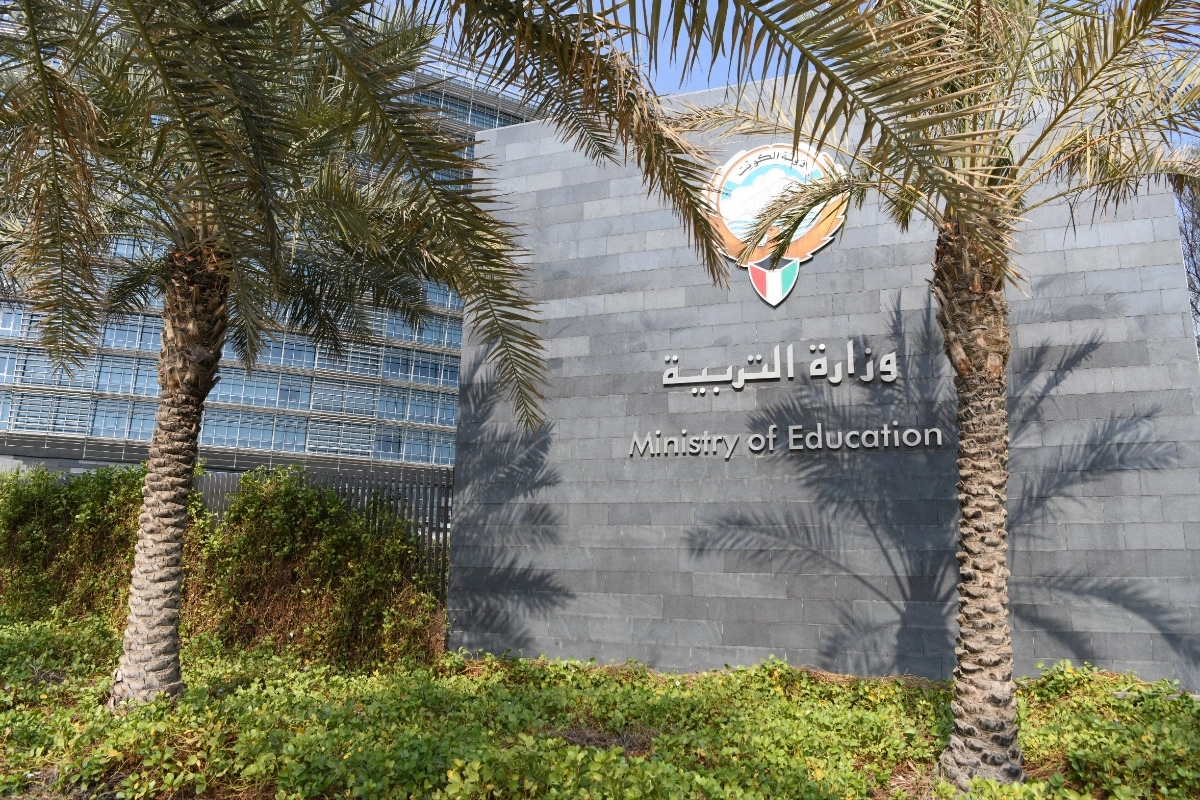
The Ministry of Education announced the acceptance of 1,311 appeals and the reassignment of teachers, with an increase in the proportion of suitable quotas in educational districts.
Translated by Qiyas from الوسط — Original source
In line with its commitment to enhancing justice and transparency in the implementation of the administrative reform plan, and in accordance with the directives of His Excellency the Minister of Education, Engineer Sayed Jalal Al-Tabatabai, the Ministry of Education announced the completion of its review of appeal requests submitted by teaching staff members affected by the redistribution decisions. This was carried out by a specialized committee tasked with reviewing and classifying the requests based on the nature of the cases and the approved criteria and controls, thereby achieving a balance between the actual needs of schools and the legitimate humanitarian and social circumstances of teachers.
The Ministry clarified that the appeal review process resulted in the acceptance of 1,311 appeals registered in the electronic system, following the examination of requests, verification of supporting documents, and confirmation that they met the approved conditions and criteria. This ensured justice, objectivity, and uniformity in handling similar cases.
The Ministry explained that the appeal review was based on specific criteria and controls, including the distance between the residence and the new school (not less than 16 kilometers), health conditions, cases involving care for persons with disabilities and special needs, health-related care situations, and social and family circumstances warranting consideration, all based on approved official documents and reports.
The Ministry noted that some of these cases involved circumstances not reflected in the “Teacher Record” system, necessitating verification through official documents and reports attached to the appeal requests to ensure accurate assessment and compliance with the specified criteria.
The Ministry emphasized that all appeal requests underwent review and audit according to approved controls, and that requests not accepted were found, after thorough study, to have failed to meet the specified conditions and criteria. It stressed that the appeal review results were based on uniform standards, ensuring justice and equal opportunity.
The Ministry directed teaching staff members affected by the redistribution decisions, including those whose appeals were approved, to monitor the decisions issued regarding them via the “My Decisions” service on the Ministry’s website. This is to complete administrative procedures related to releasing their current positions and commencing work at their assigned schools, as per the issued decisions. These procedures are conducted electronically through the “Teacher and Administrative Record” system, where the principal of the previous school approves the release, and the principal of the new school approves the commencement of work. Biometric data is then automatically transferred electronically upon approval of the commencement, eliminating the need to visit administrative offices, thereby ensuring swift processing and continuity of work in schools.
The Ministry also announced the results of the teaching staff redistribution following the completion of the appeal review. The percentage of teaching loads falling within appropriate limits reached 75% across all educational districts, compared to 34% prior to the plan’s implementation. This reflects the continued positive impact of the redistribution in enhancing justice and balance in teaching loads among schools, and reinforcing the foundation for distributing staff according to actual needs, while completing procedures resulting from the appeal outcomes without undermining the core objectives of the administrative reform plan.
The Ministry clarified that the redistribution results showed an increase in the percentage of teachers whose teaching loads fall within approved limits across all educational districts. The percentage rose in the Capital Educational District from 36% to 84%, and in both the Farwaniya and Mubarak Al-Kabeer Educational Districts from 38% to 82% each, and in the Hawalli Educational District...
The educational ratios increased from 32% to 73% in the Al Ahmadi educational district, from 36% to 70% in the Jahra educational district, and from 30% to 64% in the Jahra educational district. The Ministry confirmed that these indicators reflect the progress achieved in addressing disparities in teaching loads among schools and enhancing the fair and balanced distribution of educational burdens, based on the number of classrooms, students, and the actual needs of each school, thereby contributing to improving the efficiency of utilizing available educational staff.
Regarding the continued rise in teaching loads in certain subjects, the Ministry clarified that this is linked to shortages in educational staff in some specialties. It noted that the redistribution has helped alleviate disparities and address part of the existing needs, while efforts continue to address the remaining shortages according to the nature of requirements in each specialty, thereby supporting the regularity of classes and the stability of the educational process.
The Ministry of Education emphasized that the administrative reform plan is part of its efforts to address observations raised in reports by oversight bodies concerning the efficiency of teacher distribution among educational districts and to enhance the optimal use of human resources, in alignment with the Sustainable Development Goals, particularly Goal 4, which aims to ensure inclusive and equitable quality education and promote lifelong learning opportunities for all. The Ministry has reviewed the current state of human resource distribution, analyzed the actual needs of schools, and taken necessary regulatory measures to address disparities in teaching loads, thereby enhancing equity in staff distribution and improving the efficiency of utilizing human resources and public expenditure.
The Ministry further explained that indicators in the reports showed a decrease in the average number of students per teacher nationwide from five students in the 2022/2023 academic year to four students in the 2024/2025 academic year, alongside the continued disparity in the distribution of educational staff among schools and educational districts. This underscores the importance of reorganizing human resources according to actual needs and improving the efficiency of utilizing available staff.
The Ministry of Education also pointed out that international indicators published in the "Education at a Glance 2024" report, issued by the Organisation for Economic Co-operation and Development (OECD), show that the average number of students per teacher in OECD countries is approximately 14 in primary education and 13 in middle and secondary education. These indicators are used as benchmarks in international comparisons, taking into account differences in educational systems and calculation methodologies.
The Ministry affirmed that referencing these indicators is part of its efforts to address observations from oversight bodies regarding disparities in teacher distribution among schools and educational districts, and to enhance the efficiency of human resource planning according to actual needs, in line with the Sustainable Development Goals, particularly Goal 4, which aims to ensure inclusive and equitable quality education. This is achieved through the optimal use of educational staff and providing a stable educational environment that supports the quality of learning outcomes.
The Ministry stressed that the plan for redistributing educational staff represents a reformative step aimed at achieving equity and balance in teaching loads, and improving the efficiency of utilizing human resources and public expenditure. This contributes to supporting the State of Kuwait’s efforts to improve education indicators and enhance its standing in international reports and assessments related to education quality and sustainable development.
The ministry affirmed that the objectives of the plan extend beyond organizing the workload of male and female teachers, to enhancing the stability of the educational process through the distribution of staff according to schools’ needs. This contributes to the regularity of school schedules and the coverage of instructional hours, while providing a more stable educational environment that enables teachers to focus on fulfilling their educational and teaching missions, and supports the quality of education provided to learners.
The Ministry of Education concluded by emphasizing its continued implementation of the administrative reform plan in accordance with clear and uniform standards, while persistently monitoring the outcomes of the redistribution and addressing existing needs in schools. This aims to enhance equity in the distribution of human resources, improve the efficiency of the educational process, and achieve school stability and regularity of instructional hours, based on the principle that the best interests of learners and the quality of education constitute the primary goal of all administrative reform and development measures.
