Moody's: Spending Control to Enhance Saudi Financial Recovery in 2027
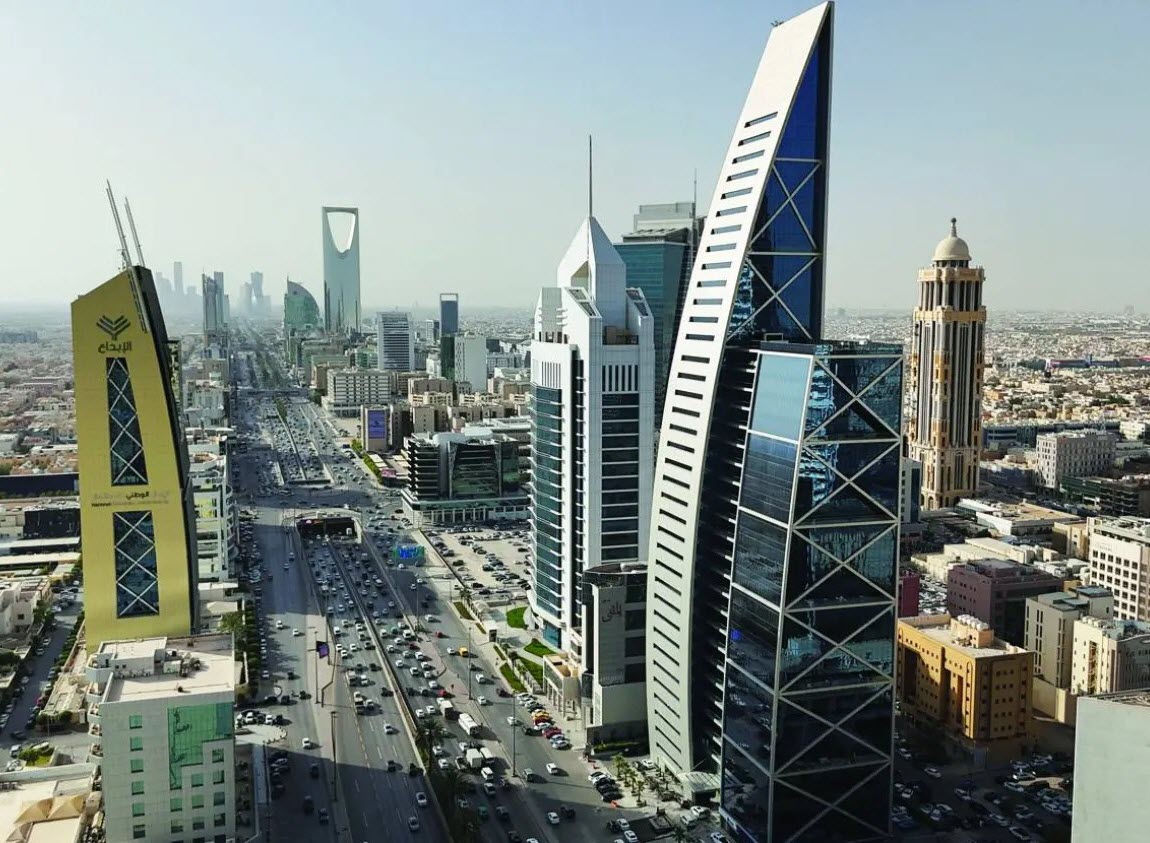
Moody's agency expects Saudi financial recovery in 2027, supported by spending control and restructuring of government investments.
Translated by Qiyas from الوسط — Original source
Moody’s Ratings said that Saudi Arabia’s expected financial recovery in 2027 supports its outlook for continued prudent decisions on spending and borrowing, noting that the rebalancing of government investments helps the kingdom preserve fiscal space as economic diversification plans continue to be implemented.
In a comment on Saudi Arabia’s preliminary budget statement for 2027, the agency said that prolonged trade disruptions and additional spending had limited the financial improvement it had previously expected, but it viewed the shift toward spending restraint next year as supportive of the kingdom’s fiscal trajectory.
Saudi Arabia expects total spending in 2027 to reach about 1.392 trillion riyals ($371.2 billion), against revenues estimated at about 1.202 trillion riyals ($320.5 billion), resulting in a deficit of about 190 billion riyals ($50.7 billion), or 3.6 percent of GDP.
Moody’s said that rebalancing government investment priorities allows continued spending on economic diversification projects while simultaneously limiting pressure on public finances. This aligns with the government’s direction to continue implementing high-priority projects with economic and social returns, while maintaining public financial sustainability.
On the oil side, the agency said it expects disruptions in strategic sea shipping routes to persist until mid-2027, which could affect oil production. However, it noted that higher crude prices have helped mitigate the impact of lower production and exports in recent periods.
These expectations come as estimates from the Ministry of Finance indicate that real GDP contracted by 3.6 percent in 2026, affected by a roughly 21.8 percent decline in oil activities, while non-oil activities are expected to grow by 3.2 percent. Non-oil activities grew by 1.8 percent in the first half of the year, raising their contribution to GDP to 57.3 percent.
