Oil Minister Emphasizes Importance of Strengthening Gulf Integration to Support Energy Supply Security and Sustainability
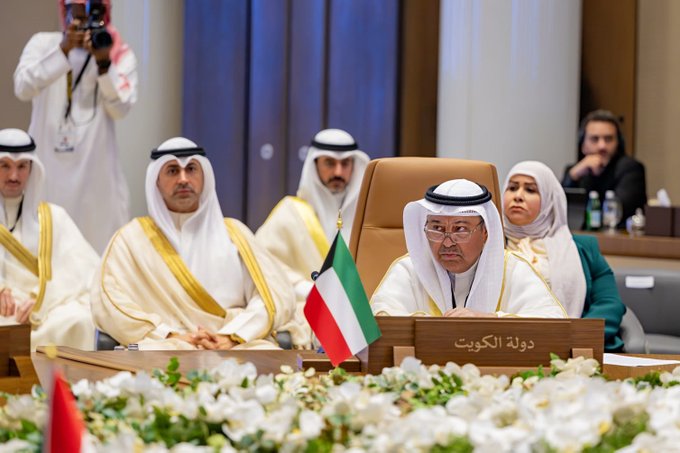
Oil Minister Tariq Al-Roumi stressed during a meeting of the Gulf Petroleum Committee the importance of enhancing Gulf integration to ensure energy supply security and sustainability amid regional changes.
Translated by Qiyas from الوسط — Original source
Kuwait’s Minister of Oil, Tariq Al-Roumi, affirmed on Monday that the Gulf Cooperation Council (GCC) countries are committed to strengthening their cooperation and integrating their capabilities in the energy sector, thereby supporting supply security, enhancing readiness to address regional and international developments, and cementing their pivotal and reliable role in global energy markets.
The Ministry of Oil stated in a statement to the Kuwait News Agency (KUNA) that this remark was made by Minister Al-Roumi while chairing the Kuwaiti delegation at the 37th meeting of the Petroleum Cooperation Committee of the GCC, attended by the oil and energy ministers of the member states.
Al-Roumi emphasized that the geopolitical developments and tensions currently affecting the region underscore the growing importance of enhancing energy security and supply sustainability, reaffirming the necessity of continuously raising the readiness and resilience of the Gulf energy system to handle exceptional circumstances.
He noted that the reliability of energy flows depends not only on production capacity but also on the ability of the entire supply chain—from production, refining, and storage to transportation, infrastructure, and supply chains—to withstand shocks, continue operations, and adapt.
He stressed that safeguarding supply chains, enhancing their readiness, and ensuring the sustainability of flows represent a shared Gulf priority that requires strengthened coordination and optimal utilization of available capacities among GCC member states, ensuring uninterrupted supplies and enhancing the ability of GCC countries to meet their commitments to global markets under all circumstances.
Al-Roumi also highlighted that GCC countries have established a pivotal position in global energy markets due to their resources, production and refining capacities, infrastructure, investments, and accumulated expertise. He pointed out that preserving and building upon this position requires deepening integration among Gulf energy sectors, coordinating positions on regional and international issues, and translating shared visions into more effective and impactful action plans.
He affirmed the importance of transitioning from coordinating efforts to integrating capabilities, and from aligning visions to implementing actionable and monitorable initiatives that safeguard the interests of GCC countries, enhance their energy security, and solidify their status as a reliable and influential partner in global energy system security.
The meeting discussed several files related to the future of Gulf cooperation in the energy sector, foremost among them the outcomes of the study on external storage of oil and gas within the proposal to establish Gulf strategic storage zones, the regional emergency plan for petroleum products, energy security, and the just and balanced transition, alongside cross-border European regulations and trade issues related to the energy sector, as well as the Energy Team’s action plan for 2027.
The meeting also addressed the energy strategy and the energy communications strategy, along with their implementation mechanisms, and several programs and initiatives aimed at developing areas of joint Gulf work and keeping pace with the rapid transformations occurring in the energy sector regionally and internationally.
The ministers discussed all agenda items, and the submitted resolutions and recommendations were approved, supporting the implementation and follow-up of joint Gulf action plans in the oil and energy sectors, and enhancing coordination and integration among GCC member states in the coming period.
The Kuwaiti delegation participating in the meeting included the delegation head, Minister Al-Roumi; Deputy Minister of Oil Sheikh Dr. Nimer Al-Malki Al-Sabah; Director of Public Relations and Petroleum Media, Sheikh Tamadur Khalid Al-Ahmad Al-Jaber Al-Sabah; Director of Planning and International Relations at the Ministry of Oil, Omar Al-Wasmi; and Head of the Chairman of the Board’s Office Affairs Team at Kuwait Petroleum Corporation, Nasser Al-Namshan.
