Diverging priorities deepen rift between Washington and Tehran
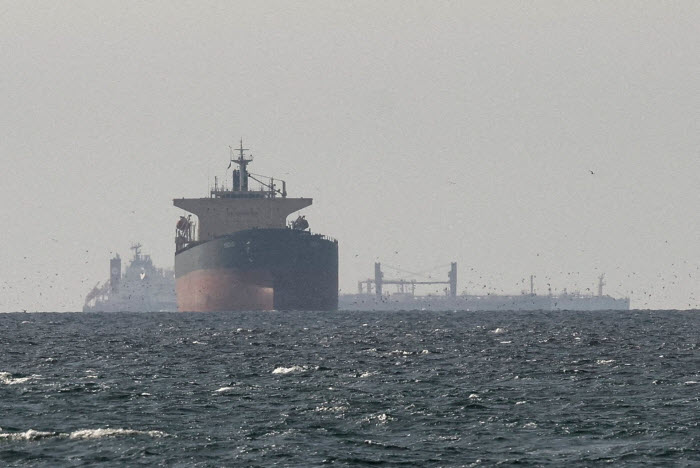
Fundamental disagreements in the indirect negotiations between Washington and Tehran now center on agenda priorities. The United States insists on including Iran’s nuclear program in any agreement, while Iran demands priority be given to reopening the Strait of Hormuz, ending the naval blockade imposed on its ports, and lifting sanctions.
Tehran has reaffirmed its readiness to continue the diplomatic track, but has simultaneously escalated its military rhetoric, warning of a stronger response if Washington resumes its attacks. These developments follow Iran’s receipt, through intermediaries, of the U.S. response to its proposal known as the “7-Day Plan,” which was presented during the United Nations General Assembly meetings in New York. The plan calls for reopening the strait within a week, contingent on Washington’s commitment to a set of Iranian demands, foremost among them ending the naval blockade on its ports and lifting economic sanctions.
In this regard, Iranian Parliament Speaker Mohammad Bagher Qalibaf affirmed that the Strait of Hormuz will not be reopened unless the United States meets the seven Iranian conditions outlined in the interim memorandum of understanding reached by the two sides last June (June). He stressed that Tehran’s position on this issue is clear and firm. According to reports by official Iranian media, Qalibaf stated that Washington has recently put forward proposals through intermediaries, despite differing public U.S. statements regarding negotiations. He added that the phase of diplomatic stalling and the imposition of unilateral demands has ended, referring to Tehran’s refusal to make concessions without corresponding concrete steps from the United States.
Iran presented its plan during the UN General Assembly meetings in September, proposing the reopening of the strait within seven days of the implementation of the understandings, which include halting hostilities, ending the U.S. blockade on its ports, releasing Iranian frozen assets abroad valued at approximately $12 billion, and lifting sanctions on Iranian oil exports.
The plan is based on a previous memorandum of understanding that contributed to a brief ceasefire in June, and included understandings regarding the Strait of Hormuz and Iran’s nuclear program. However, disagreements over the arrangements for implementing commitments and the guarantees required from each side prevented the transition to a final agreement.
