Kuwaiti Humanitarian Work: From Relief to Empowerment and Capacity Building
Kuwait continues its humanitarian efforts through health, development, and relief projects in several countries
Translated by Qiyas from الوسط — Original source
Kuwait continues its humanitarian and development efforts through initiatives extending to several countries in the Middle East and Africa, combining direct aid delivery with the implementation of development projects and local capacity building. These efforts aim to enhance the sustainability of humanitarian impact and address the health, livelihood, and economic needs of beneficiary groups.
In Tanzania, Al-Insan Charity Association, in collaboration with the Kuwaiti Heart of Children Charity Association, conducted a specialized medical campaign to treat children suffering from congenital heart defects. The campaign, involving a Kuwaiti medical team, included the examination of 100 children and the performance of 14 complex surgeries in the capital, Dodoma, alongside providing treatment for cases that did not require surgical intervention.
Dr. Othman Al-Khamis, Chairman of the Board of Directors of Al-Insan Charity Association, told KUNA that the campaign is part of Kuwaiti humanitarian efforts to support health services in needy communities and provide treatment opportunities for children with heart diseases. He noted that the medical team conducted a comprehensive assessment of the cases, performed the scheduled surgeries, and provided pharmaceutical treatment for other cases. He added that the campaign included training Tanzanian doctors and nursing staff on diagnosing and managing pediatric heart diseases, thereby contributing to the transfer of specialized medical expertise and enhancing the capacity of the local health sector to provide care in the future.
For his part, Dr. Faisal Al-Saaidi, Chairman of the Heart of Children Charity Association and Consultant in Pediatric and Adult Congenital Heart Surgery at the Kuwaiti Ministry of Health, told KUNA that charitable medical work goes beyond providing direct treatment to unifying expertise and resources among medical and charitable institutions. He emphasized the importance of dispatching specialized teams, transferring knowledge, and training local personnel.
In Jordan, the Islamic World Charity Organization (IWO) launched the "Masar" program guide for small projects for trainers and trainees, and signed an agreement to implement the program on the ground. The initiative aims to develop the skills of micro and small enterprise owners in management, planning, and marketing.
Ibrahim Al-Badr, Deputy General Manager of Projects at IWO, told KUNA that the program links project financing with qualification, training, practical application, and impact measurement. He clarified that the success of projects does not rely solely on financing but requires owners to possess the necessary tools to understand the market, manage resources, and make decisions. He pointed out that the field implementation in Jordan targets approximately 2,000 participants through 80 training courses in various governorates, involving entities from Palestine, Yemen, Lebanon, and Turkey, alongside the Islamic Development Bank, thereby facilitating the exchange of expertise and program development.
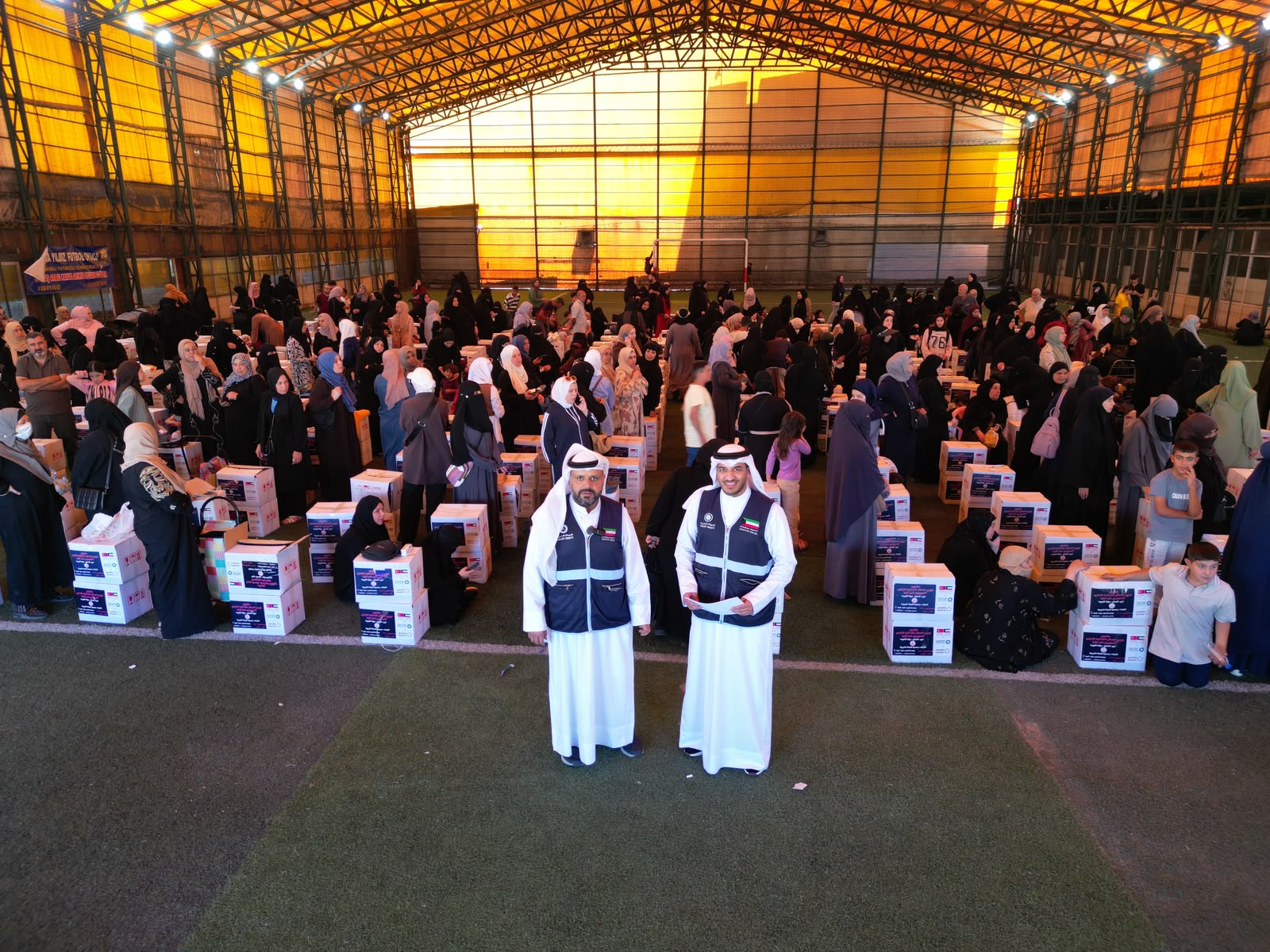
In Turkey, Al-Najah Charity Association continued providing aid to Syrian refugee families as part of a relief visit preceding the winter season. The aid included food, health, educational, and clothing assistance. Thamer Al-Sahib, Manager of Salwa Zakat under the association, told KUNA that the aid benefited 1,133 families comprising more than 5,600 people. It included food baskets, clothing for orphans, school bags, stationery, and support for families with infants, in addition to financial assistance for families of patients and persons with disabilities.
In Côte d'Ivoire, Namaa Charity, affiliated with the Social Reform Association, implemented an integrated housing project comprising houses, a school, a mosque, and an artesian well. The project aims to provide basic living necessities and improve the living conditions of the local population.
Khaled Al-Shammari, Head of the Programs and Initiatives Sector at Namaa Charity, told KUNA that the project represents a model of integrated initiatives that respond to the population's needs in multiple areas, providing families with the essentials needed to sustainably improve their living conditions.
These initiatives reflect the diversity of Kuwaiti humanitarian work across healthcare, relief, economic empowerment, housing, and basic services, with a focus on combining the fulfillment of urgent needs with supporting beneficiary communities through programs and projects with long-lasting impact.
