Governor of Farwaniya: Caring for and Empowering People of Determination Is a Shared Social Responsibility
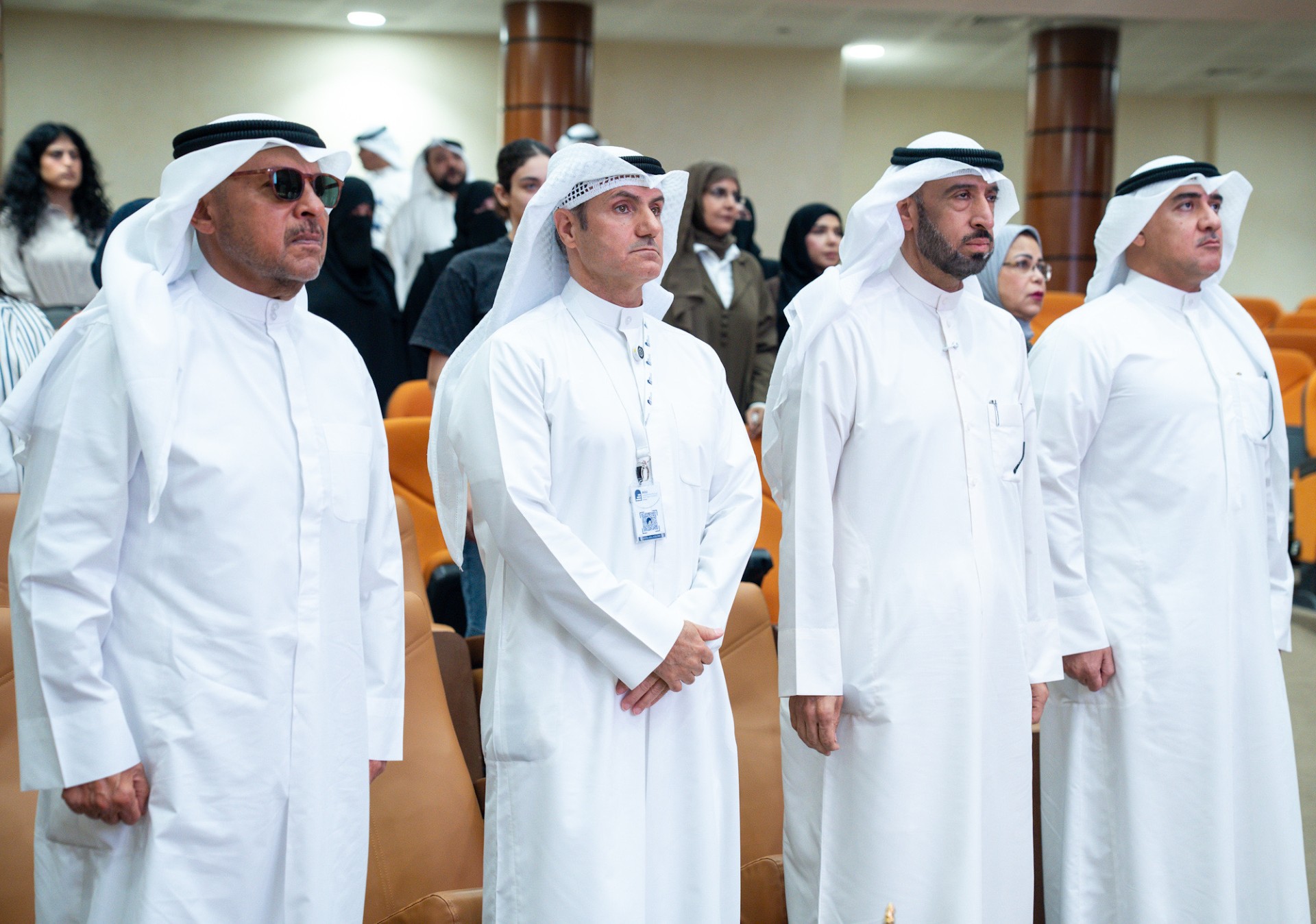
The Governor of Farwaniya, Sheikh Azbi Nasser Al-Azbi Al-Sabah, emphasized the importance of caring for children with special needs, empowering them, and providing opportunities to showcase their talents and abilities, thereby enhancing their participation in society and fulfilling their aspirations. This was stated in a statement by Sheikh Azbi.
Translated by Qiyas from الوسط — Original source
Kuwaiti officials affirmed the importance of caring for children with special needs, empowering them, and providing opportunities for them to showcase their talents and abilities, thereby enhancing their participation in society and fulfilling their aspirations.
This statement was made by Sheikh Adbi Nasser Al-Adbi Al-Sabah, Governor of Farwaniya, in an interview with the Kuwait News Agency (KUNA) on Monday, during his patronage and attendance at the “Threads of Hope” event. The event was organized by the Tannmia Charity Association in partnership with Jisr Global Consulting Services Company, and in collaboration with the Arab Open University in Kuwait. It involved 20 trainees with visual, hearing, and motor disabilities, alongside trainees without disabilities, within an inclusive training environment.
Sheikh Adbi emphasized that caring for people with special needs and encouraging them to develop their talents represents a crucial aspect of social responsibility. He praised the university’s efforts in organizing this event, which reflects its commitment to supporting and empowering this group. He added that the Farwaniya Governorate places great importance on its residents, striving to improve the level of services provided to them and address the challenges faced by the governorate’s population, while also focusing on beautifying areas and increasing green spaces to enhance the general environment and quality of life.
He expressed his appreciation to the Arab Open University for hosting the event, underscoring the importance of continued cooperation between educational institutions and civil society organizations to organize more initiatives and activities that contribute to caring for people with special needs, discovering and developing their talents, and encouraging their active participation in society.
For his part, Dr. Nasser Al-Ajmi, Chairman of the Board of Directors of the Tannmia Charity Association, told KUNA the importance of specialized training programs in empowering persons with disabilities, developing their skills, and highlighting their creative abilities, thereby enhancing their integration and participation in society. Al-Ajmi stated that the program is the first of its kind in Kuwait, aiming to train women with disabilities in a manual craft that relies on finger dexterity without the use of needles. He added that the week-long program is supervised by specialized trainers from Saudi Arabia, reinforcing the concept of social inclusion and the exchange of expertise in a shared training environment.
He clarified that the association continues to implement specialized initiatives in the fields of education, health, and the rehabilitation of persons with disabilities, as well as providing assistive devices, in line with its strategy to localize charitable work within Kuwait and strengthen partnerships with educational institutions and the private sector to serve various segments of society.
On her part, Hanan Al-Anzi, representing Jisr Global Consulting Services Company, told KUNA the importance of developing specialized initiatives that respond to the actual needs of persons with disabilities and their families. She explained that the establishment of the non-profit company is the result of 25 years of experience in charitable work, aiming to provide innovative solutions that contribute to improving their quality of life and enhancing their independence.
Al-Anzi noted that the macrame art course aims to revive an old Kuwaiti and Gulf craft associated with the production of fishing nets and bags, by training participants in the art of hand knotting. She mentioned the involvement of a specialized Saudi trainer experienced in training persons with visual and hearing disabilities, who has participated in international forums. She added that the company launched a free Kuwaiti magazine in four languages—Arabic, English, Chinese, and Braille—alongside implementing initiatives in cultural, artistic, sports, and health fields to serve persons with disabilities.
For his part, Dr. Salah Al-Humaidi, General Manager of the Arab Open University in Kuwait, told KUNA the importance of expanding the role of educational institutions in serving society by hosting developmental initiatives that enable persons with disabilities to acquire practical skills that enhance their creative and productive capacities, and open new horizons for community participation.
Al-Humaidi stated that the university believes its mission extends beyond classroom education to include providing a supportive environment for learning, work, and skill development, thereby giving participants opportunities to discover their potential and transform their acquired experiences into tangible achievements.
