Environmental Sustainability in Kuwait: From Strategic Policies to an Institutional Approach and a Community Culture Aimed at Human Well-being
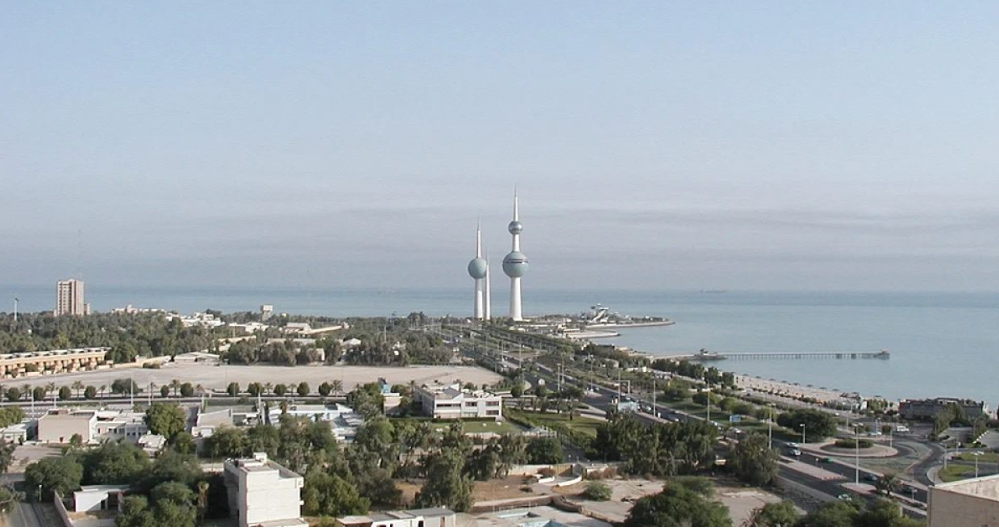
The State of Kuwait is advancing the consolidation of environmental sustainability as a development priority and a fundamental pillar in the path toward achieving sustainable development. This involves transitioning from formulating policies and strategies to enhancing their implementation and measuring their impact, in alignment with the objectives of the “Kuwait 2035” Vision and supporting the shift toward a green economy and improved efficiency in the use of resources and energy.
Protecting the environment and ensuring its sustainability top the government’s work priorities, driven by the conviction that preserving natural resources and reducing pollution are essential components of development requirements and quality of life. Meanwhile, the state is moving to strengthen the integration of environmental, economic, and social policies, thereby safeguarding the rights of current and future generations.
In this context, national efforts continue to establish a long-term pathway for low-carbon development. The General Environment Authority (GEA) is working on climate change, ecosystem protection, waste management, air quality improvement, and biodiversity enhancement, while also supporting a gradual transition toward more sustainable patterns in energy and resource consumption and production. Within its climate change portfolio, the GEA presents the State of Kuwait’s National Roadmap for Low-Carbon Development 2060 as one of the relevant national frameworks for this trajectory.
Kuwait’s Low-Carbon Strategy 2050 stands out among the key pathways adopted by the state in this field. The GEA announced the strategy’s results in November 2023, in cooperation with the United Nations Environment Programme, as part of Kuwait’s commitments under the United Nations Framework Convention on Climate Change.
Within the framework of its long-term climate vision, Kuwait aims to achieve carbon neutrality by 2060. It is working to diversify energy sources and enhance the role of renewable energy, while leveraging modern technologies to reduce emissions and improve the efficiency of energy and resource use.
Kuwait’s efforts in renewable energy are distributed across several tracks, including long-term projects such as the Shuqaiya project, short-term projects like the Al-Abdaliya project, and small-scale projects linked to energy conservation requirements.
In this regard, the Shuqaiya Renewable Energy Project stands out. Implemented through the Public-Private Partnership Projects Authority, the project comprises two phases: the first targeting 1,100 megawatts of generation and the second 500 megawatts, reflecting the trend toward increasing the contribution of renewable energy sources to the energy mix.
Sustainability efforts are not limited to the energy sector; they also encompass waste management and the gradual transition toward a circular economy, protection of marine and coastal environments, biodiversity conservation, and the development of cities and green spaces. Additionally, efforts include improving environmental monitoring systems, air quality, and early warning mechanisms.
Another key pathway is enhancing afforestation and increasing green areas by planting plant species with greater resilience to climatic conditions, establishing vegetative barriers to mitigate desertification, supporting nature reserves and eco-tourism, and developing parks and recreational areas to enhance the urban environment and improve quality of life.
Efforts also include developing integrated waste management and resource utilization systems, preparing environmental databases to support decision-making, and promoting green city and building projects and sustainable urban development.
In the field of urban planning, the Fourth Structural Plan 2040 is among the frameworks aimed at supporting sustainable urban development. Meanwhile, the Environmental Protection Law provides a legislative framework for reducing pollution, preserving natural resources, regulating environmental violations, and ensuring compliance with environmental requirements.
At the institutional level, 2026 has witnessed new steps toward transforming sustainability into a measurable government practice. A notable development is the launch of the pilot phase of the Government Sustainability Reporting System, which aims to prepare unified reports with measurable performance indicators. This enhances transparency and environmental disclosure and contributes to building a national database to support decision-making.
State Minister for Development and Sustainability, Dr. Reem Al-Faleh, directed relevant entities to begin preparing sustainability reports using a unified model and measurable performance indicators. This step aims to entrench the principles of institutional sustainability, improve performance efficiency, and enhance integration among concerned entities.
Dr. Al-Faleh told the Kuwait News Agency (KUNA) that the State of Kuwait is advancing a comprehensive institutional approach to sustainability, based on translating plans and policies into measurable programs and linking performance with governance, risk management, and data. This supports decision-making and preserves natural resources for current and future generations.
She added that 2026 has seen important steps in this trajectory, most notably the adoption of the Government Environmental Sustainability Reporting System as a unified framework for measuring environmental performance and strengthening the building of a national data base. This provides a tool for monitoring, impact assessment, and identifying improvement opportunities in government entities and governorates. The GEA confirms that the framework aims to measure the environmental performance of government entities, monitor compliance with sustainability indicators, and enhance resource use efficiency.
She clarified that risk management is a fundamental pillar of this approach, noting the preparation of a National Environmental Risk Register, the identification of major risks, and the definition of response and mitigation pathways in coordination with relevant technical entities.
She mentioned that the importance of this pathway became evident during the exceptional regional events and circumstances witnessed in the region. During the year, 36 environmental incidents were managed, including cases related to air quality, marine pollution, hazardous materials, and wastewater discharge and accumulation, while simultaneously enhancing the readiness of entities and updating emergency response and marine pollution plans.
In the climate change file, Dr. Al-Faleh stated that Kuwait has completed the drafts of the Third National Communication and the first Transparency Report under the Paris Agreement. Additionally, the readiness of government entities to implement the low-carbon development roadmap toward carbon neutrality by 2060 has been assessed. Approximately 100 participants have been trained in climate negotiations, while work continues to translate climate policies into practical pathways in cooperation with national entities.
She pointed to ongoing efforts to protect and rehabilitate ecosystems, including nature reserves, natural habitats, and the marine environment, alongside the development of a national program for monitoring and removing marine debris with the participation of more than 20 entities.
In the field of green urban development, she noted that the Council of Ministers approved 30 initiatives in 2026 for greening and developing public spaces, funded by companies, cooperative societies, and individuals. This brings the total number of approved initiatives since December 2024 to 64, a model that enhances community partnership and private sector contribution to improving the urban environment and quality of life.
She emphasized the importance of enhancing the efficiency of treated water use and expanding its applications, alongside developing waste management, the gradual transition toward a circular economy, and improving monitoring systems, air quality, and early warning mechanisms. This raises resource use efficiency and strengthens the state’s capacity to respond to environmental and climate challenges.
These steps coincide with a broader trend toward entrenching the concept of sustainability as an institutional and community practice that extends beyond environmental projects to encompass planning, production, consumption, resource management, and decision-making patterns. The government has affirmed in its recent initiatives that sustainability reports serve as a tool to enhance governance, transparency, environmental performance measurement, and resource management.
On the international cooperation front, Kuwait continues its participation in regional and international environmental conferences and initiatives, alongside cooperation with international organizations in the fields of climate change, low-carbon development, and environmental protection. This supports the exchange of expertise and the adoption of global best practices.
Collectively, these pathways reflect a trend toward transforming environmental sustainability from a set of disparate policies and initiatives into an integrated system based on planning, measurement, governance, risk management, and community partnership. This aligns with the objectives of the “Kuwait 2035” Vision and places environmental quality and resource use efficiency at the core of efforts to improve quality of life and build a more sustainable future.
