New Regulations for Drones and Air Sports in Kuwait
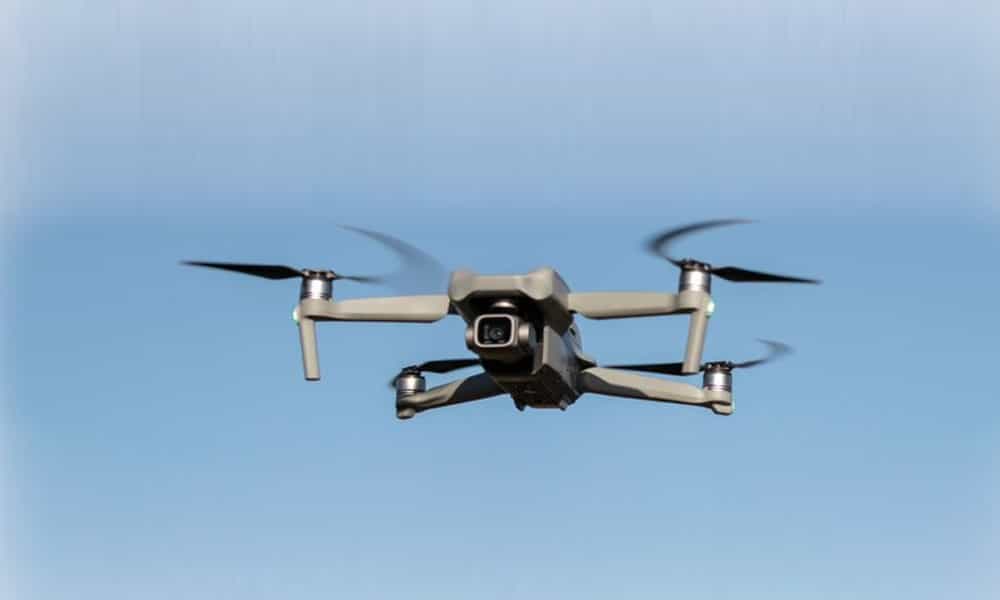
Decree-Law No. 89 of 2026 concerning the Regulation of the Use of Unmanned Aircraft, Light Sport Aircraft, Air Sports, and Related Activities has entered into force as of the date of its publication in the official gazette, *Kuwait Al-Yawm*. The decree aims to establish a comprehensive legal framework governing the use of these aircraft and to safeguard the security and safety of the country’s airspace.
The decree prohibits the operation of any aircraft prior to obtaining approval from the Ministry of Interior. Violation of this provision carries a penalty of imprisonment for a term not exceeding two years and a fine ranging from 1,000 to 2,000 Kuwaiti dinars, or either of these penalties.
The legislation establishes an integrated system for registration, licensing, and permits. No aircraft may be operated within Kuwait without obtaining an operating license from the Public Authority for Civil Aviation (PACA). Furthermore, piloting an aircraft or assisting in its operation without a license is prohibited. Licenses are issued in accordance with Kuwait’s aviation safety rules and regulations and following approval from the Ministry of Interior.
**Registration and Airworthiness Prior to Operation**
The decree obligates aircraft owners to register their aircraft with PACA and obtain an airworthiness certificate before using them within the country. The Authority is required to maintain a registry containing data related to the aircraft and associated rights.
Owners must notify PACA of any changes to registered data within seven working days of the change, in accordance with procedures specified in the executive regulations.
The regulation extends beyond operation; the import, manufacture, assembly, programming, or importation of systems, parts, and components of aircraft are prohibited without a permit from PACA and approval from the Ministry of Interior.
Additionally, the decree requires obtaining a commercial license from the Ministry of Commerce, approval from the Ministry of Interior, and a permit from PACA to engage in commercial activities related to the import, export, manufacture, assembly, sale, leasing, and programming of aircraft, or activities associated with aircraft and air sports.
**Prohibition of Flight in Specific Areas**
The decree prohibits flying aircraft within airport boundaries, takeoff and landing sites, and in restricted or prohibited areas designated by PACA in coordination with relevant authorities.
Nighttime flight, defined as the period from sunset to sunrise, is prohibited, as is flying in poor or unsuitable weather conditions, unless a special permit is obtained from PACA.
The legislation also imposes restrictions on aerial photography. Capturing images or recording videos of individuals, private property, or public facilities specified in the executive regulations using an aircraft is prohibited unless the prescribed conditions are met.
**Powers to Intercept Aircraft**
The decree grants security and military authorities broad powers to deal with aircraft that pose a threat to national security or the safety of persons and property.
These authorities may employ necessary technical and operational measures to detect, intercept, disable, or control any aircraft flying over restricted or prohibited areas, or in the vicinity of military and security installations, including shooting it down if it constitutes a threat to national security or the safety of individuals and property.
The decree stipulates that security and military authorities and their personnel shall not bear legal or civil responsibility for damages caused to an aircraft or its systems resulting from the exercise of these powers.
Furthermore, relevant authorities within PACA, in coordination with security and military bodies, are authorized to take technical and operational measures, including the use of electronic jamming, disabling remote control systems, taking control of the aircraft, or intercepting it, in cases where the operator fails to comply with orders issued by competent authorities.
**Three-Tier Penalty Structure**
The decree classifies penalties based on the nature and severity of the violation. In some cases, penalties include imprisonment for up to six months and a fine between 300 and 700 dinars, or either of these penalties.
Penalties increase to imprisonment for a term not exceeding two years and a fine between 1,000 and 2,000 dinars, or either of these penalties, for violations related to operation, obligations, responsibilities, operating an aircraft without Ministry of Interior approval, or non-compliant aerial photography.
More serious offenses, including certain provisions related to air sports, import, manufacture, assembly, and flying in restricted or prohibited areas, carry penalties of imprisonment for a term not exceeding three years and a fine ranging from 3,000 to 5,000 dinars, or either of these penalties.
If a defendant previously convicted of an offense under this decree commits a similar crime within five years of the judgment, the court may increase the penalty by up to half of the maximum statutory limit. The penalty is doubled if an accident occurs as a result of the violation.
**License Cancellation and Confiscation of Aircraft**
Upon conviction, the court may, in addition to the primary penalty, order the cancellation or suspension of licenses or permits for a period not exceeding one year, or the closure of the facility for up to one year. The court may also confiscate the unmanned aircraft and any items seized that were obtained through, used in, or intended for use in the crime, without prejudice to the rights of bona fide third parties.
PACA is also authorized to suspend licenses or permits for up to 90 days or cancel them in cases involving public interest, necessity, security concerns, loss of licensing conditions, or violations of the decree, its executive regulations, or permit conditions.
**One-Year Grace Period for Compliance**
The decree obligates the owner of each aircraft to regularize their status in accordance with the decree, its executive regulations, and implementing decisions within one year from the date of its enforcement.
It further stipulates that the competent Minister shall issue the executive regulations for the decree, in coordination with relevant authorities, no later than December 31, 2026, to specify the detailed procedures and controls necessary for its implementation.
According to its explanatory memorandum, the legislation aims to keep pace with the expansion in the use of unmanned aircraft, light sport aircraft, and air sports in governmental, service, commercial, research, and recreational sectors. It seeks to establish controls that balance the legitimate use of these technologies with the requirements of national security, airspace safety, and the protection of individuals, property, and privacy.
