10 Students from the Applied College to China to Learn About AI and Robotics Technologies
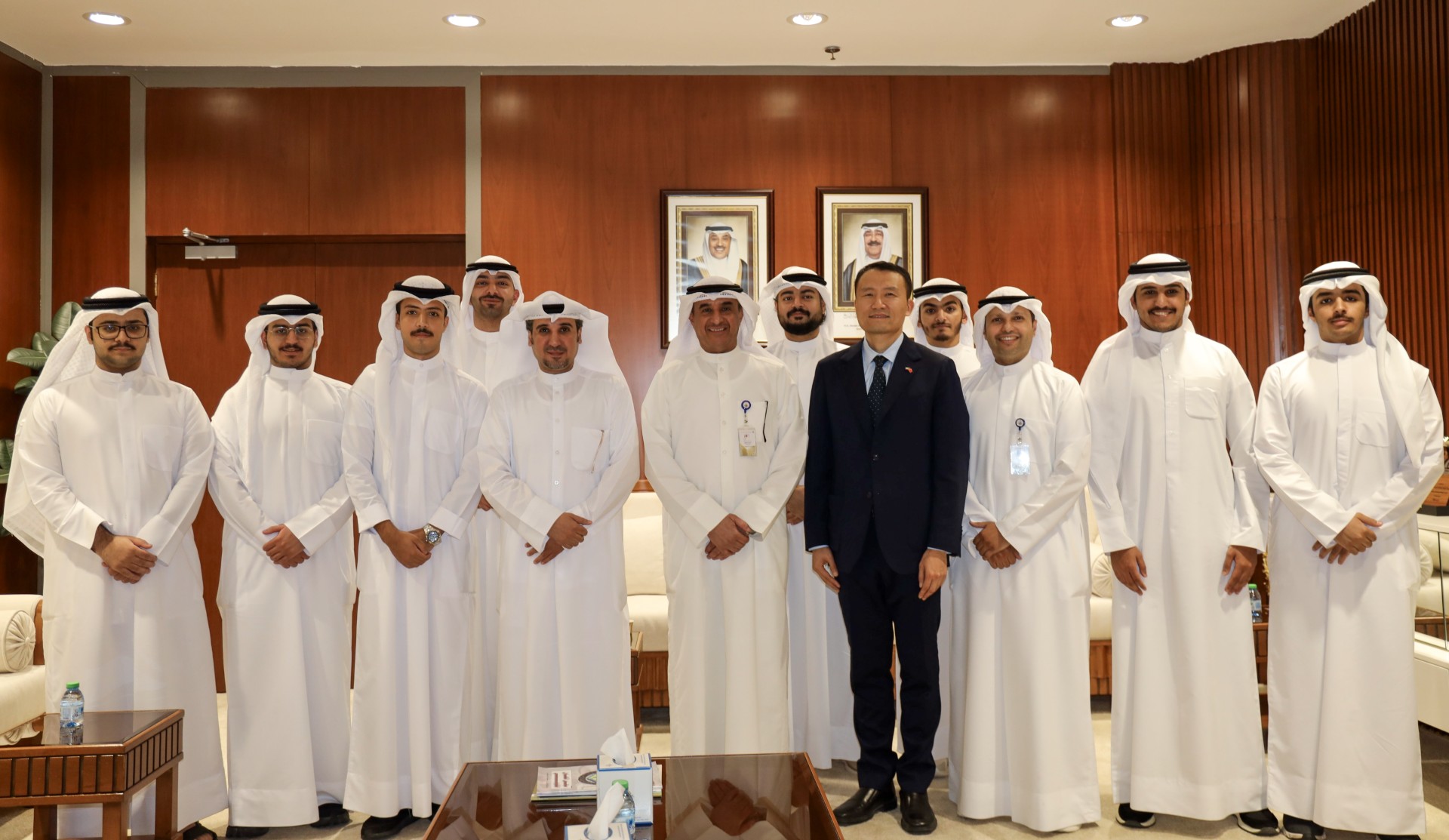
A delegation of 10 outstanding students from the College of Technological Studies at the Public Authority for Applied Education and Training (PAAET) is traveling today, Thursday, to the People’s Republic of China. The vi
Translated by Alqyas from Al-Wasat — Original source
A delegation of 10 outstanding students from the College of Technological Studies at the Public Authority for Applied Education and Training (PAAET) is traveling today, Thursday, to the People’s Republic of China. The visit aims to expose the students to educational, technological, industrial, and innovative experiences in the cities of Shenzhen and Shanghai.
The Director General of PAAET, Dr. Hassan Al-Fajam, stated that the visit is the result of cooperation between PAAET and the Chinese Embassy in Kuwait, and aims to broaden the students’ horizons by linking applied education with advanced global practices and experiences.
Al-Fajam explained that the visit program includes tours of universities and educational institutions, as well as visits to several major Chinese companies and factories, including Huawei, RoboTech, and BYD. This will allow students to gain practical insight into the latest applications in artificial intelligence, digital transformation, robotics, automation, smart manufacturing, electric vehicles, and energy.
He emphasized that combining academic study with field visits will help students connect their coursework with practical applications in advanced industrial and technological environments. He noted PAAET’s commitment to ensuring that learning extends beyond the classroom by providing students with the opportunity to observe leading global experiences and return to Kuwait with new ideas and skills.
For his part, Liu Xiang, Counselor at the Chinese Embassy in Kuwait, stressed the importance of educational and technological cooperation in strengthening ties between the two countries. He pointed out that investing in youth and building bridges between educational and industrial institutions represents a vital pathway for sustainable cooperation.
Liu Xiang said that exposing PAAET students to the Chinese experience, particularly in universities, companies, and factories, gives them the opportunity to closely observe China’s progress in technology, innovation, and industry. He expressed hope that the visit would open new avenues for exchange and cooperation between educational and technological institutions in both countries.
The visit integrates education, training, research and development, and industrial application. Through Huawei, students will learn about communication technologies and digital transformation; BYD will provide insights into electric vehicle manufacturing and energy technologies; and RoboTech will offer hands-on experience in robotics, automation, and modern manufacturing.
This initiative aligns with PAAET’s strategy to strengthen its international partnerships and convert them into direct educational and training opportunities for students, thereby contributing to the development of their scientific and professional skills, fostering a culture of innovation and entrepreneurship, and preparing them for the rapid transformations in the global job market.
