"Al-Shal": Kuwaiti oil revenues return to near pre-war levels
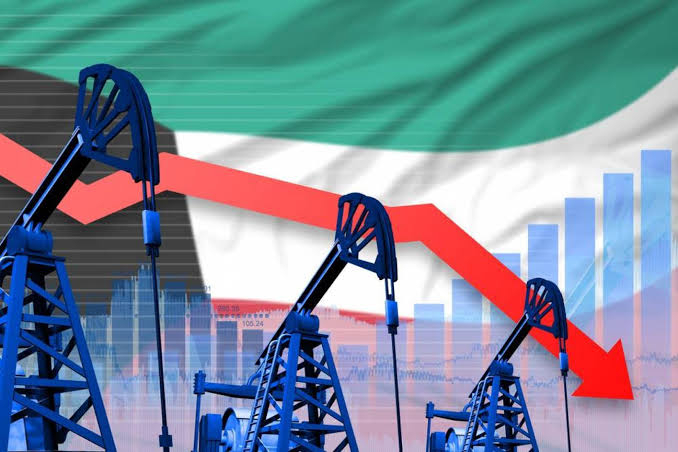
The weekly “Al-Shal” report stated that the average price of a barrel of Kuwaiti crude oil reached approximately $83.5 during August 2026, an increase of $26.5, or 46.4%, over the assumed price in the general budget for the fiscal year 2026/2027, which was set at $57 per barrel.
The report clarified that the average price per barrel in August exceeded the average price in the previous fiscal year, which stood at $72.2, by approximately 15.7%. However, it remained about $7 lower than the break-even price for the current budget, estimated at $90.5 according to Ministry of Finance estimates.
It noted that the improvement in oil export flows in August followed the cessation of armed confrontation between the United States and Iran and the resumption of oil flows through the Strait of Hormuz. It added that Gulf states’ exports ranged between 15 and 16 million barrels per day, compared to approximately 20 million barrels per day before the war.
According to the report’s estimates, Kuwait’s exports in August reached about two-thirds of pre-war levels, averaging approximately 1.703 million barrels per day, compared to around 2.580 million barrels per day before the outbreak of the war in late February.
“Al-Shal” suggested that Kuwait’s oil revenues in August may have reached approximately 1.1 billion dinars, a level close to the pre-war monthly average, as higher oil prices offset a significant portion of the losses from declining export volumes.
The report warned that the continued closure of the Strait of Hormuz or its failure to return to full operation could cause the actual deficit to exceed the estimates in the draft budget, which projected a potential deficit for the current fiscal year of approximately 9.8 billion dinars, marking the second-highest deficit over the past 12 fiscal years.
Regarding deficit financing, “Al-Shal” pointed out that allowing the government to borrow from the Future Generations Fund added a third source of financing alongside domestic and external borrowing. It cautioned that withdrawing from the fund’s liquidity or liquidating part of its assets could negatively impact its performance.
It highlighted that approximately 90% of public spending goes toward current expenditures, arguing that financing these expenses through borrowing limits the chances of achieving fiscal and economic sustainability, particularly given the economy’s limited capacity to produce competitive goods and services and create jobs capable of generating non-oil revenues to compensate for the decline in oil income.
The report noted that the final accounts recorded a deficit in 11 out of the last 12 fiscal years, except for the fiscal year 2022/2023, bringing the cumulative net deficit during that period to approximately 45.9 billion dinars.
