Oil rises on renewed supply risks from the Middle East
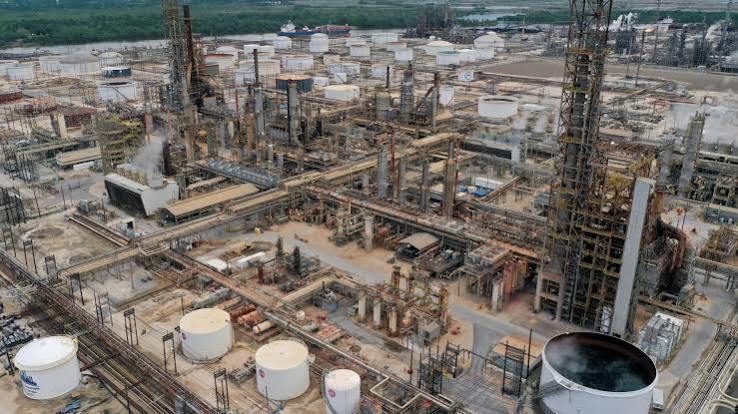
Oil prices rose in Asian trading, as fears of supply disruptions from the Middle East resurfaced following the resumption of confrontations between the United States and Iran, amid growing risks to shipping traffic through the Strait of Hormuz. Brent crude rose by $1.05, or 1.2 percent, to $91.54 a barrel, while West Texas Intermediate crude climbed by $1.27, or 1.5 percent, to $87.03 a barrel. Prices had jumped by about 2.7 percent for Brent and 2.8 percent for US crude in the previous session.
Concerns have resurfaced about potential damage to energy infrastructure in the Gulf region, as well as the possibility of increased shipping disruptions through the Strait of Hormuz, through which roughly one-fifth of global oil supplies passed before the outbreak of the war.
Data from Kpler showed that the number of cargo vessels visible transiting the strait dropped to five per day, compared to an average of 14 vessels over the previous ten days, with none of them being oil tankers.
The UK Maritime Trade Operations agency stated that a tanker reported being hit by three projectiles while leaving the Strait of Hormuz, with no injuries or environmental damage recorded.
These developments coincide with a decline in US Strategic Petroleum Reserve stocks by approximately 3.1 million barrels last week to 286.6 million barrels, reducing one of the safety buffers relied upon by the global oil market.
Analysts at ANZ noted that oil flows through the Hormuz Strait, despite continuing, remain below pre-conflict levels, while global inventories that had supported the market in recent months have begun to decline.
According to a Reuters survey conducted in August, analysts expect oil prices to remain above $80 a barrel throughout 2026, amid ongoing shipping disruptions.
