Ataa inaugurates a mosque in Chad with a capacity of 180 worshippers and a freshwater well
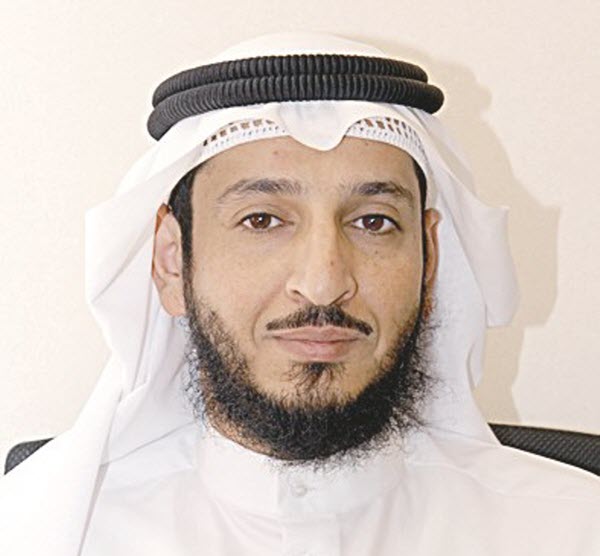
Ahmed Al-Ajran, Deputy Chairman of the Board of Directors at Aataa for Humanitarian Work, confirmed that the association continues to implement its humanitarian and development projects in the most needy countries, including mosque construction projects, which represent one of the doors of charity with sustainable impact. He pointed to the opening of a mosque in Chad, which can accommodate approximately 180 worshippers and is equipped with carpets, sound systems, and ablution areas.
Al-Ajran stated that the mosques implemented by the association are not limited to facilitating religious rituals; rather, they serve as Islamic and scientific beacons that contribute to teaching creed and jurisprudence, promoting the moderate approach of Islam, and providing a suitable environment for residents of beneficiary areas to perform prayers and benefit from religious and educational programs.
He cited the Prophet’s (peace be upon him) hadith: “Whoever builds a mosque for Allah, even as small as the nest of a sandgrouse, Allah will build for him a house in Paradise,” emphasizing that building mosques is among the greatest forms of ongoing charity (sadaqah jariyah) due to the continuous benefits they bring to beneficiary communities.
Al-Ajran clarified that the cost of building a mosque starts at 1,688 Kuwaiti Dinars. Mosque projects are implemented in five countries, based on studies assessing the need of poor regions and countries for places of worship, with a focus on reaching areas in Africa and Asia that suffer from a shortage of mosques and centers serving their populations.
He noted that the association places great importance on selecting implementing entities for these projects, dealing only with organizations that have a track record in mosque construction and are accredited by the Kuwaiti Ministry of Foreign Affairs, thereby enhancing implementation quality and ensuring that donors’ contributions reach their rightful recipients within established frameworks and regulations.
He added that the project does not end with the construction of the mosque; whenever feasible within the project scope, the association strives to provide water sources near the mosque to serve worshippers and local residents. He highlighted that providing potable water helps reduce diseases, alleviates the burden on residents who would otherwise have to travel long distances to fetch water, and enables children to focus on education rather than searching for water sources.
Al-Ajran expressed his deepest gratitude to the philanthropists and benefactors who continue to support Aataa Association’s projects, affirming that their contributions create an impact that extends beyond building structures to building human potential and serving communities. He prayed to Allah, the Exalted, to accept their efforts and bless their wealth and endeavors.
