Tehran hands Islamabad conditions for opening the Strait of Hormuz and agrees with Muscat on a temporary passage
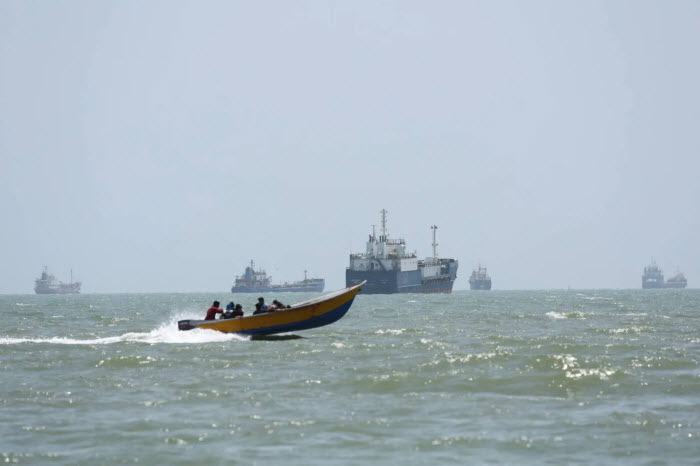
As U.S. pressure on Iran intensifies with the launch of the “economic isolation” campaign, the foreign ministers of Iran and Oman discussed a framework agreement to establish a temporary passage through the Strait of Hor
Translated by Qiyas from الوسط — Original source
As U.S. pressure on Iran intensifies with the launch of the “economic isolation” campaign, the foreign ministers of Iran and Oman discussed a framework agreement to establish a temporary passage through the Strait of Hormuz and a project to clear mines from the vital waterway shared by the two countries. A joint statement issued by the Omani Ministry of Foreign Affairs stated: “The two ministers discussed a phased framework that includes establishing a joint temporary maritime passage through the Strait of Hormuz and agreeing to implement a joint project to clear the strait of mines,” adding that technical negotiations would continue between the two sides “with the aim of reaching an agreement on a permanent maritime passage and future arrangements for managing the strait.”
Meanwhile, Pakistan moved toward Tehran to open a negotiation track aimed at ending the war and containing its regional repercussions. Pakistani Interior Minister Mohsin Naqvi, at the conclusion of a visit to Tehran, said that Pakistan and Iran had made “significant progress” in talks addressing ways to prevent further escalation and reach a negotiated settlement to the conflict. An Iranian source, according to Tasnim News Agency, stated that Pakistani Army Chief Asim Munir was clearly briefed on Tehran’s positions and conditions regarding the Strait of Hormuz.
In Washington, U.S. President Donald Trump announced the removal or destruction of all mines in international waters of the Strait of Hormuz, noting that Iran had been warned that any ship or boat planting new mines would be destroyed. U.S. Secretary of State Marco Rubio informed several of his counterparts in allied countries in recent days that the United States does not expect to launch new strikes on Iran at this time, and that the U.S. administration is focusing on other pressure measures, including a naval blockade and new sanctions announced this week.
According to Axios, which cited U.S. sources, Rubio clarified that Washington does not plan at this stage to return to large-scale combat operations, though he did not rule out strikes if Iran launches an attack first. Another U.S. official said this is expected to remain U.S. policy, at least until after the midterm elections. U.S. administration officials added that clearing most areas of the Strait of Hormuz of mines, along with increased oil tanker traffic through it, has significantly reduced Iran’s bargaining leverage.
