"US-Iran": Negotiation track to end war comes into view
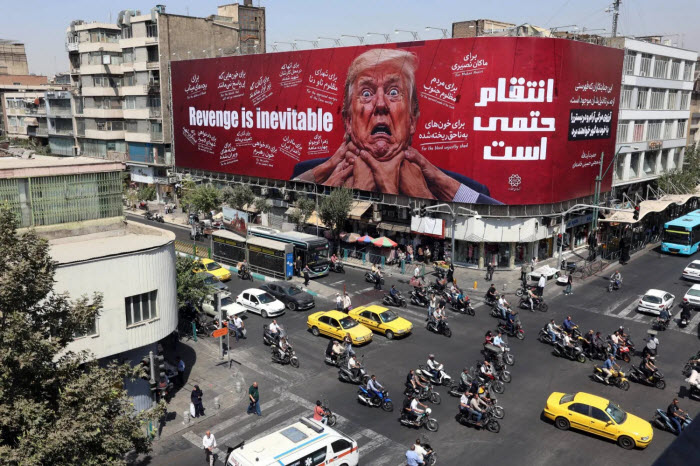
As U.S. pressure on Iran intensifies with the launch of its “economic isolation” campaign, Pakistan moved toward Tehran to open a diplomatic channel aimed at ending the war and containing its regional repercussions, with
Translated by Qiyas from الوسط — Original source
As U.S. pressure on Iran intensifies with the launch of its “economic isolation” campaign, Pakistan moved toward Tehran to open a diplomatic channel aimed at ending the war and containing its regional repercussions, with a particular focus on reopening the Strait of Hormuz.
Interior Minister Mohsin Naqvi, at the conclusion of a visit to Tehran, said that Pakistan and Iran had made “significant progress” in talks addressing ways to prevent further escalation and reach a negotiated settlement to the conflict.
In response, the administration of U.S. President Donald Trump is preparing to ramp up pressure on the Iranian economy, following U.S. strikes that damaged Iranian military and nuclear facilities. The Wall Street Journal quoted a White House spokesperson as saying it would be “wise” for Iran to reach an agreement, otherwise it would be aware of the consequences.
This coincided with Washington expanding its secondary sanctions on Iran to include five new sectors: digital assets, technology, gold, aviation, and maritime shipping, alongside imposing sanctions on approximately 60 individuals, entities, and a vessel. U.S. Treasury Secretary Scott Bessent described the move as an “economic isolation” campaign aimed at cutting off the financial lifeline of the Iranian economy.
For his part, Iranian Economy Minister Ali Moadeni Zadegan stated, “We are fully prepared for U.S. sanctions.” He added on state television, “Naturally, the enemies want to launch an economic terrorist attack on us, but we also have our own means and know how to play this game. They should not assume our approach is defensive and that we will merely defend ourselves; rather, they should expect an attack from us.”
Iran has threatened to retaliate against the expanded U.S. economic sanctions, which Washington said would cut off its economic lifeline. Tehran expressed confidence that its main trade partners would resist the U.S. pressure campaign.
Treasury Secretary Scott Bessent unveiled the measures but stopped short of imposing the harshest sanctions, stating that countries continuing trade with Iran risk being excluded from the U.S. dollar-based financial system.
