Some human-associated microbes may survive on the Moon!
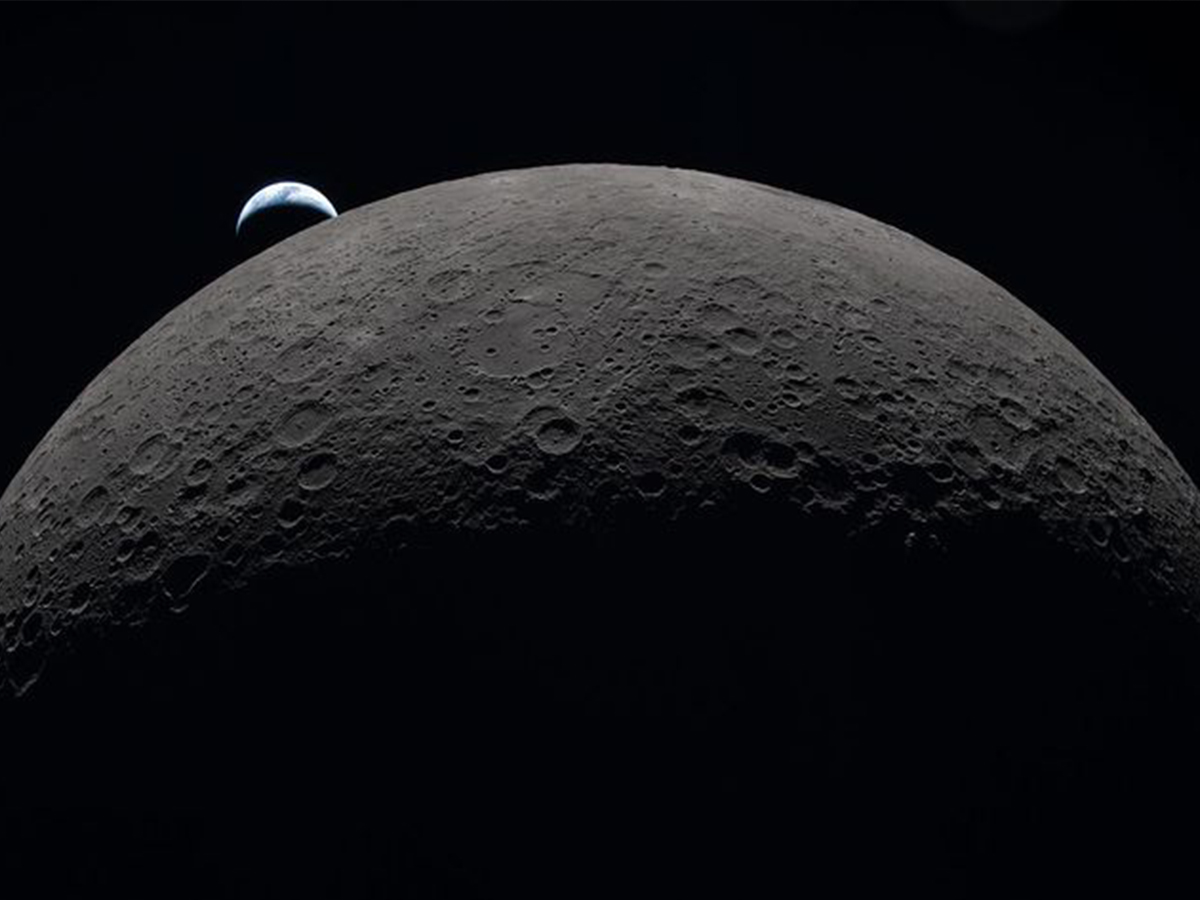
A study conducted by the US space agency NASA revealed that some human-associated microbes might survive in shaded areas near the Moon’s south pole, highlighting the biological contamination challenges that future human missions could face. The study showed that certain types of bacteria and fungi, commonly found in human-related environments or spaceflight settings, can withstand the harsh conditions in areas simulating the lunar south pole environment. Scientists tested the ability of five species of bacteria and fungi to endure environmental conditions in three potential lunar regions, based on altitude, temperature, and radiation data collected by NASA’s Lunar Reconnaissance Orbiter (LRO). The models identified areas where some microbes could survive, ranging from the floors of large craters to small spaces, noting that Aspergillus niger was the most resistant to ultraviolet radiation, managing to survive even in areas exposed to some sunlight. The study clarified that “survival” refers to the microbe’s ability to remain alive for at least one Earth day, not growth or reproduction, and emphasized that there is no evidence of the conditions and components necessary for microbial growth and reproduction on the Moon. These findings are particularly significant given plans to return humans to the Moon, as microbes carried by human missions could complicate future efforts to distinguish between the Moon’s original chemical characteristics and any contamination originating from Earth.
