Sudan at a Critical Junction: Military Escalation Threatens to Widen the War
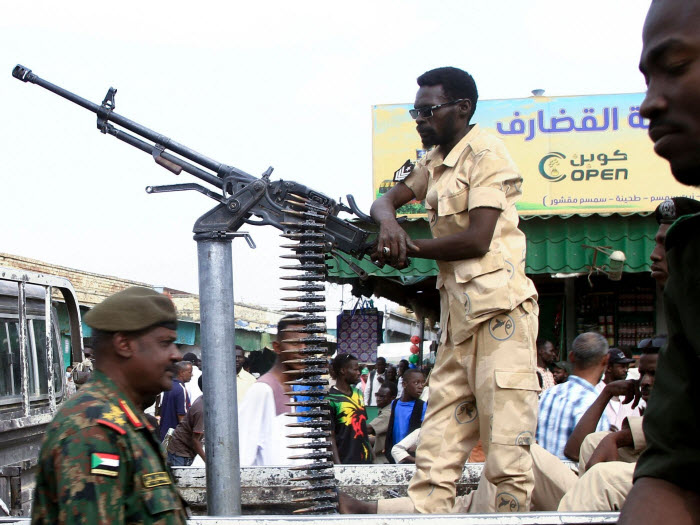
Intensified clashes between the Sudanese Army and the Rapid Support Forces in Kordofan and Darfur, with UN warnings of an impending humanitarian catastrophe.
Translated by Alqyas from Al-Wasat — Original source
The war in Sudan has entered a new phase of escalation, with intensified clashes between the Sudanese Armed Forces and the Rapid Support Forces in the states of Kordofan and Darfur. Amid warnings from the United Nations that the conflict is expanding and turning into a more severe humanitarian catastrophe, prospects for a ceasefire continue to recede despite ongoing international efforts.
The city of Omdurman, capital of North Kordofan state, has become a central focus of military operations in recent days, following repeated drone attacks and strikes targeting vital infrastructure, including electricity, water, and fuel facilities. This has exacerbated the suffering of residents and caused a sharp shortage of basic supplies. The United Nations has warned of the risk of widespread massacres if fighting spreads into the city.
Meanwhile, the Sudanese Armed Forces announced territorial gains on several fronts, asserting that it had destroyed hundreds of RSF military vehicles and shot down several drones during recent operations. The Rapid Support Forces, for their part, continue to launch attacks in Darfur and parts of Kordofan, reflecting a prolonged military stalemate between the two sides without a clear resolution.
On the political front, international initiatives continue to face significant obstacles. The Sudanese Armed Forces insist on the withdrawal of RSF troops from cities under their control as a prerequisite for any comprehensive agreement. International consultations are ongoing to explore a humanitarian truce that could pave the way for broader negotiations on a permanent ceasefire and the launch of a political transition process.
Humanitarian conditions are deteriorating further as millions continue to flee internally and across Sudan’s borders. Vast areas are suffering from shortages of food, medicine, and healthcare services. Relief organizations have warned of spreading epidemics and rising hunger rates, particularly in states under siege or subjected to continuous military operations. The war’s repercussions are also spreading to neighboring countries as refugee numbers rise, placing additional pressure on the entire region.
Alongside the military escalation, international pressure on the conflict’s parties is mounting following UN reports accusing the Rapid Support Forces of committing serious violations that may amount to genocide in Darfur. International investigations into war crimes and abuses against civilians continue, amid growing calls for accountability for those responsible.
Observers believe the coming months will be decisive for the war’s trajectory. Continued fighting in Kordofan and Darfur could redraw the map of military control within Sudan, while civilians remain the greatest losers in a conflict now in its fourth year, with hopes for a swift political settlement fading and one of the world’s largest humanitarian crises persisting.
