Municipal Technical Committee Approves Designation of Site for Car and Motorcycle Racing
The Municipality approved an electronic system to expedite procedures and improve data.
Translated by Alqyas from Al-Wasat — Original source
- Munira Al-Amir proposes implementing an electronic system to manage “Baladiya” affairs, accelerating procedures, improving data accuracy, and providing a more organized and flexible work environment, with full integration into the executive body of the “Municipality” and adoption of an electronic signature system.
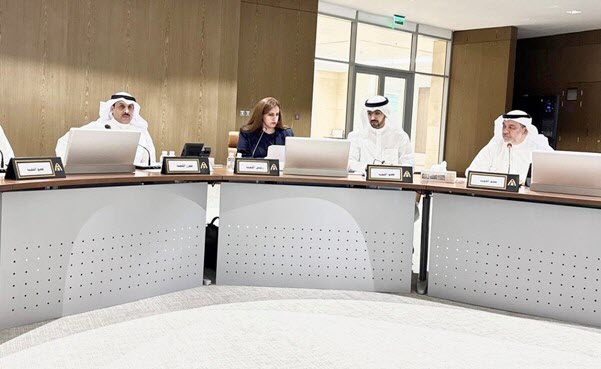
The Technical Committee of the Kuwait Municipal Council held its 25th meeting of the fourth session of the 13th legislative term yesterday, chaired by Engineer Munira Al-Amir. The committee approved the Diwan Amiri’s request to amend the Municipal Council’s decision regarding the allocation of a site in Kuwait City for car and motorcycle racing in the Arwajan area, to establish, complete, maintain, and operate the Kuwait Motorsports City, in accordance with Cabinet Decision No. 907.
On another note, the committee approved the Ministry of Public Works’ request to allocate a cable route passing through the following areas: Dali’ Al-Zanif, east of Ahmadi, south of Sabahia, and Shuwaikh, to supply the wastewater treatment water storage tank.
The committee also approved the Ministry of Public Works’ request to allocate a cable route in the Ali Al-Salim Al-Sabah area within Plot No. 5, which connects a wastewater storage tank to a main substation, with a branch extending to a secondary substation.
Additionally, the Municipal Council’s Technical Committee approved the Ministry of Public Works’ request to allocate a cable route in the Arwajan area, running parallel to Al-Wafra Road up to a wastewater storage tank.
The committee further approved the Ministry of Public Works’ request to allocate a cable route in the Arwajan area to supply a wastewater treatment storage tank.
The committee was also informed of a letter from the Ministry of Interior regarding the invitation to the 21st meeting of the Technical Committee of the fourth session of the 13th legislative term of the Municipal Council.
Institutional Work
On another note, Municipal Council member Engineer Munira Al-Amir presented a proposal aimed at developing institutional work mechanisms and enhancing efficiency and transparency, in line with the state’s direction toward digital transformation.
Al-Amir explained in a media statement that the proposal responds to challenges facing the current workflow in the Municipal Council, which still relies heavily on paper-based procedures, often leading to delays and multiple processing stages. She noted that transitioning to an integrated digital system would help accelerate procedures, improve data accuracy, and provide a more organized and flexible work environment.
Princess Al-Amir added that the proposed system focuses on empowering municipal council members to perform their duties more efficiently by providing an integrated database that includes regulations, laws, and decisions, alongside accurate statistical information to support decision-making. The system also offers secure electronic communication tools that enable members to exchange information rapidly, as well as a digital archiving system that allows them to monitor transactions and view updates in real time.
Regarding the work of the council’s committees, Princess Al-Amir explained that the proposal seeks to develop the handling of transactions by receiving them electronically and recording comments and recommendations promptly and in an organized manner, thereby enhancing transparency in presenting opinions and ensuring their accurate documentation. This transition also helps reduce the time required to study transactions compared to traditional procedures and allows for a higher level of coordination among members.
She noted that the proposed system provides council leadership with advanced tools for monitoring performance by supplying analytical and statistical reports that help evaluate achievement levels, while facilitating quick access to information while maintaining data confidentiality. It also contributes to efficiently and clearly conveying directives and instructions to all relevant parties.
On the aspect of institutional integration, Princess Al-Amir emphasized the importance of achieving full electronic linkage with the executive body of the Kuwait Municipality through the creation of a shared database that enables the immediate exchange of information and correspondence, as well as adopting an electronic signature system as a replacement for paper-based procedures. She pointed out that this integration would enhance the efficiency of joint work and provide greater flexibility in completing transactions.
The proposal also includes providing electronic portals for relevant government entities, enabling them to express opinions or issue approvals directly, which helps reduce delays caused by traditional procedures and enhances coordination among different entities.
Princess Al-Amir noted that Gulf experiences have proven the success of digital transformation in raising government performance efficiency, with several countries in the region achieving high rates in digital service delivery, significantly reducing transaction processing times, and improving beneficiary satisfaction. She affirmed that leveraging these experiences represents an important opportunity to implement a successful model suited to the nature of municipal work in Kuwait.
Princess Al-Amir stressed the importance of utilizing national expertise from government entities that have previously implemented similar projects, while adhering to the highest cybersecurity standards to ensure data protection and confidentiality. She indicated that the project’s success depends on the integration of technical and organizational aspects, calling for the urgent implementation of this project and its designation as a necessary developmental priority, with a clear timeline ensuring its implementation within no more than six months from the date of its approval. She emphasized that this transformation would represent a significant step toward developing municipal work and improving the level of services provided to citizens.
