'Central Bank Governor': Implemented several initiatives to develop payment systems and banking services during the past fiscal year
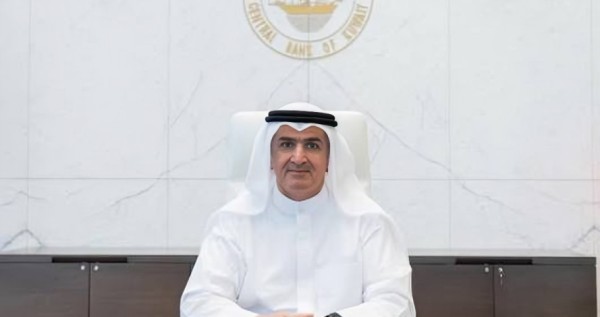
Central Bank of Kuwait Governor Bassel Al-Haroun reveals infrastructure development and digital transformation initiatives in the 54th Annual Report
Translated by Alqyas from Al-Seyassah — Original source
Governor of the Central Bank of Kuwait, Bassel Al-Haroun, stated that the fiscal year 2025-2026 witnessed intensified efforts in developing financial infrastructure and digital transformation, as the Bank continued to implement numerous initiatives aimed at enhancing payment systems and digital banking services.
Al-Haroun added, in a speech within the Central Bank’s 54th Annual Report for the fiscal year 2025/2026, published today, Tuesday, on the Bank’s website, that the aforementioned year saw support for financial innovation and modern fintech technologies, contributing to improving the efficiency of financial services and strengthening the competitiveness of the local banking sector.
He noted that the Central Bank of Kuwait continued to enhance cybersecurity levels and operational readiness, keeping pace with the rapid developments in the financial and banking industry. He pointed out that the 54th Annual Report reviews the Bank’s activities during the said fiscal year through three parts: monetary and financial stability, payment system development, and the report of the external auditors regarding the Bank’s financial statements as of March 31, 2026.
He explained that, amid close monitoring of global and local economic, financial, and monetary developments, the Central Bank continued to utilize its available monetary policy tools and macroprudential instruments in a gradual, balanced, and flexible approach, aiming to enhance monetary and financial stability in the country.
He reported that during the fiscal year 2025-2026, the Bank took a number of decisions and measures aimed at supporting monetary and financial stability. These included reducing the discount rate by 50 basis points through two gradual cuts, bringing it to 3.50 percent, as well as easing certain regulatory requirements related to liquidity and capital, thereby enhancing the flexibility and stability of the banking sector.
Regarding the banking sector, Al-Haroun said that the local banking sector continued its pivotal role in supporting economic activity, maintaining the solidity of its financial position and stability, supported by increased solvency and liquidity levels and sustained asset quality, which enhances the sector’s capacity to face various challenges.
He mentioned that the Bank continued its efforts to strengthen customer protection and raise financial awareness and literacy, alongside supporting the development and growth of national cadres working in the banking and financial sectors. These efforts align with the rapid developments in the banking industry and contribute to enhancing the efficiency of national human capital.
He noted that the past fiscal year coincided with escalating geopolitical tensions and the accompanying challenges and changes that affected the global economic and financial environment. During this period, the Central Bank continued to carry out its duties and responsibilities aimed at maintaining monetary and financial stability and strengthening the resilience of the country’s financial sector.
