Al-Harimi to 'Al-Siyassa': Regional De-escalation is Trump's Tool to Curb Inflation... Oil Pays the Price
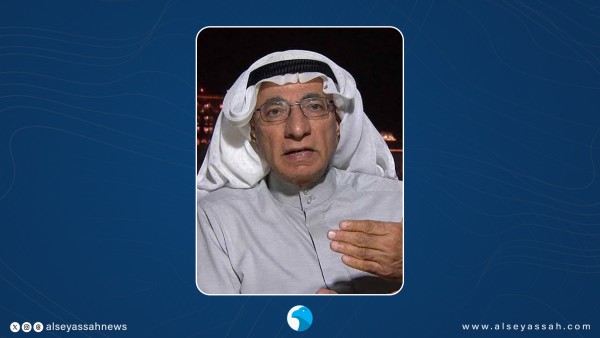
Expectations of Brent stabilizing between $75 and $85 amid US pressure on OPEC Plus.
Translated by Qiyas from السياسة — Original source
Kuwaiti crude drops to $81 per barrel
Expectations for Brent crude to stabilize in a range of $75 to $85 per barrel in the coming period
Price decline calls for accelerating structural reforms, boosting non-oil revenues, and rationalizing public spending in Kuwait
By Naji Balal
Analyst and oil expert Kamal Al-Harimi attributed the noticeable decline in global oil prices and the drop in the price of a barrel of Kuwaiti crude to $81 in Wednesday’s trading, alongside the fall in the benchmark Brent crude to $91, to the current political de-escalation dominating the regional landscape.
Al-Harimi explained in a special statement to “Al-Siyasa” that the current diplomatic thaw between the United States and Iran, along with positive atmospheres and tracks of understanding, have succeeded in dispelling the specter of war and military confrontations in the region. This, in turn, has led to a reduction in the geopolitical risk premium that had been pushing crude prices upward in previous periods.
Al-Harimi noted that the US president’s recourse to de-escalation at this specific time falls within a clear economic strategy aimed primarily at curbing inflation within the US market. The decline in oil prices inevitably and directly translates into lower inflation rates and reduced energy and transportation costs, representing a top priority for the US administration.
Al-Harimi predicted that Trump would continue exerting intense pressure on the Organization of the Petroleum Exporting Countries (OPEC) and its allies to ensure sustained supply abundance and push prices further down, thereby serving Washington’s domestic economic objectives.
On the local front, Al-Harimi warned of the direct financial repercussions of the Kuwaiti crude price falling below the assumed break-even levels in the state’s general budget, which range from $90 to $95 per barrel. He argued that this current decline will inevitably affect total oil revenues, placing public finances under pressure to record a high fiscal deficit during the current fiscal year, which began in early April 2026.
For his part, a well-informed source told “Al-Siyasa” that if the current geopolitical de-escalation continues and fears of military escalation in the Middle East recede, global oil markets will move toward a phase of price correction and a return to pure economic fundamentals based on the supply-demand equation, as the geopolitical risk premium that had been supporting prices above their true levels fades away. Therefore, Brent crude is likely to stabilize in a range of $75 to $85 per barrel in the medium term, amid a decline in the intensity of sharp daily fluctuations. This will shift investor focus back to global economic growth indicators and consumption rates in major economies such as China, the United States, and Europe—factors that could exert further downward pressure if any signs of economic slowdown emerge.
Against this new backdrop, he said that OPEC+ would face a delicate balancing act between preserving its market share and supporting price levels, which could prompt it to reassess its production policies or extend voluntary cuts to prevent crude prices from falling to levels that would harm the budgets of producing countries. On the other hand, the US administration would benefit from the price decline by curbing inflation and lowering domestic energy costs, while continuing to support domestic production to maintain market stability. As for oil-exporting countries, with Kuwait at the forefront, sustained prices below break-even budget levels would impose a financial reality requiring an acceleration of structural reforms, an increase in non-oil revenues, and a rationalization of public spending to efficiently adapt to the post-regional-tensions era.