Gulf States: Invest in Your Countries to Protect Your Wealth
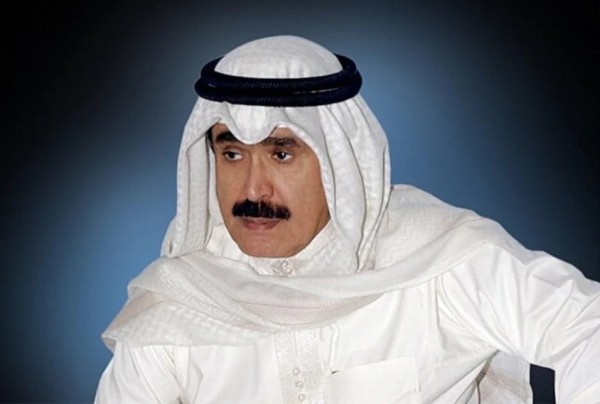
Emphasis on the importance of economic integration and investing in internal infrastructure for Gulf states
Translated by Qiyas from السياسة — Original source
The Gulf railway project has finally been set in motion. Although the project is scheduled for completion in 2030, it represents a significant step toward economic integration among the Cooperation Council countries, given its substantial benefits and the enhanced speed of movement for Gulf citizens across the GCC states.
On this basis, we emphasize that infrastructure is the foundation of a nation’s strength and a catalyst for expanding domestic investments rather than relying on external sources, which carry higher risks due to political developments and unforeseen crises. Accordingly, some GCC member states have long been investing domestically through productive projects that enable them to withstand crises and mitigate risks.
In this context, the Dubai Metro project was a strategic initiative not merely to reduce traffic congestion, but to boost the emirate’s GDP. Despite some opposition, it has proven successful by all measures. Last year, approximately 295 million passengers used the metro, a significant figure relative to the emirate’s population and its visitors from within and outside the UAE. Additionally, in recent months, the UAE launched the “Etihad Rail,” which connects Abu Dhabi to other cities in the country and extends to Fujairah.
Gulf countries are capable of achieving such feats, and some already possess infrastructure for railway projects, including the Kingdom of Saudi Arabia. This strengthens the prospects for the success of the GCC interconnection railway project, particularly in facilitating trade and the exchange of goods.
Similarly, in the Arab Mashreq region, some countries have recently proposed constructing a railway line linking Saudi Arabia with various Mashreq countries, extending to Turkey and Europe. The objective is to create a commercial corridor connecting Gulf and Indian Ocean ports with European markets, thereby reducing reliance on maritime routes vulnerable to fluctuations, as currently seen with the Hormuz Strait and Bab el-Mandeb. The difficulties faced by regional countries in exporting oil or importing goods have underscored the severity of these challenges.
These projects are not implemented by states in isolation from the private sector; rather, the Build-Operate-Transfer (B.O.T) model serves as the foundation. This model facilitates employment, stimulates commercial activity, and enhances economic and social stability.
In this regard, there are several examples that can be built upon, such as the B.O.T model, which does not impose direct financial costs on the Turkish treasury. This approach could be applied to projects in our Gulf countries.
The recent war crisis has exposed many hidden flaws in the economic structures of countries, particularly those heavily dependent on oil. Regrettably, previously proposed ideas focused on reinforcing reliance on this commodity, even when diversifying income sources. Consequently, the recent crisis, along with prior regional crises and the global financial crisis, failed to serve as a lesson to be heeded. Instead, administrations continued to operate within traditional frameworks.
Failure to learn from past experiences means that any crisis can escalate into an intractable dilemma. Therefore, the fact that Gulf countries are now advancing the Gulf railway project and setting it in motion offers them a significant opportunity to recover from setbacks. As the saying goes, “It is better to arrive late than never.”
