Kuwait affirms the pivotal role of the UN Economic and Social Council in coordinating development efforts
Press coverage 1 newspapers covered this event: KUNA →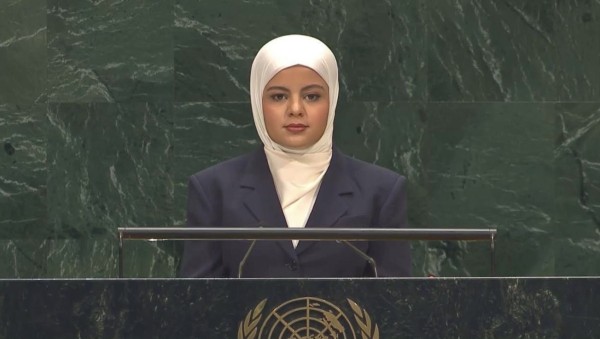
Kuwait emphasized the importance of the UN Economic and Social Council's role in coordinating efforts, calling for enhanced concessional financing for developing countries and the development of monitoring mechanisms.
Translated by Qiyas from السياسة — Original source
- Called for providing concessional financing to developing countries and developing follow-up mechanisms while reducing duplication
Kuwait emphasized the pivotal role played by the United Nations Economic and Social Council (ECOSOC) in coordinating economic, social, and environmental efforts, calling for enhanced coordination between the Council, the UN General Assembly, and the High-Level Political Forum.
This was stated in Kuwait’s address delivered by Diplomatic Attaché Dalal Sharar on Thursday evening before the UN General Assembly, during the joint discussion on the report of the Economic and Social Council and the follow-up to the implementation of the outcomes of UN conferences and summits in economic and social fields.
Sharar said that Kuwait believes the multilateral system, with the United Nations at its core, remains the most capable framework for addressing cross-border challenges, stressing the need to translate the outcomes of UN conferences and summits into tangible improvements in people’s lives.
She added that, on the occasion of the Council’s 80th anniversary, Kuwait calls for the development of follow-up mechanisms and the improvement of the quality of national data, while respecting the mandates of UN bodies and the priorities of countries. She stressed the importance of reform efforts, including the “United Nations 80” initiative, in reducing duplication and enhancing support for developing countries.
She emphasized the need to provide the necessary financing and capacities to implement development commitments, amid rising financing costs and debt burdens. She called for supporting the implementation of the “Santiago Commitment” and expanding opportunities for developing countries to access concessional financing, alongside mobilizing national resources, transferring technology, and building capacities to accelerate the implementation of the 2030 Agenda for Sustainable Development.
Regarding Kuwait’s development efforts, Sharar clarified that the country places human beings at the core of its development policies and continues, through the Kuwait Fund for Arab Economic Development, to support vital projects in developing countries, particularly in the fields of water, sanitation, energy, health, and education, thereby strengthening national capacity building and the sustainability of development outcomes.
She reaffirmed Kuwait’s continued commitment to supporting the UN’s relief and humanitarian efforts, linking relief programs with recovery and development plans to enable crisis-affected communities to restore their services and livelihoods.
On the issue of water security, she expressed Kuwait’s anticipation for the UN Water Conference, scheduled to be held in Abu Dhabi in early December, co-hosted by the United Arab Emirates and Senegal, and the 11th World Water Forum, to be held in Riyadh in 2027, affirming Kuwait’s support for the success of these events and enhancing international cooperation to achieve water security.
On the social front, Sharar stressed the importance of following up on the implementation of the Doha Political Declaration issued at the Second World Summit for Social Development in 2025, investing in education, health, and skills, empowering women, youth, and persons with disabilities, closing the digital divide, and expanding social protection and decent work opportunities.
She concluded Kuwait’s address by emphasizing that honoring common commitments requires political will, adequate resources, regular follow-up, and clear indicators to measure results, reiterating Kuwait’s readiness to cooperate constructively with member states and other partners to achieve sustainable development.
