Deputy Health Minister: Regulatory mechanism to protect medical staff and address patient complaints
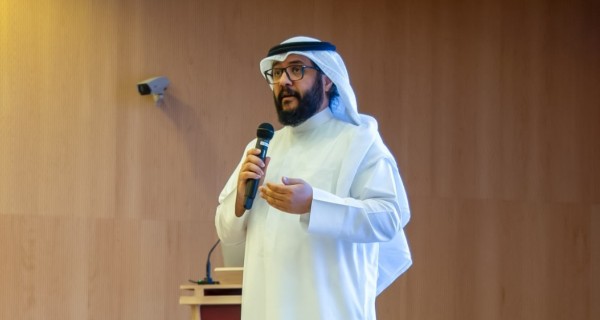
Deputy Minister of Health Sheikh Dr. Salman Khalifa Al-Sabah stressed the importance of enhancing the readiness of public relations and media departments in health facilities to handle crises and complaints, thereby safeguarding the rights of patients and medical staff.
Translated by Qiyas from السياسة — Original source
- Separating medical tasks from administrative responsibilities to enable doctors to focus on their professional duties.
- Enhancing the readiness of public relations departments to confront crises and contain emergency situations within healthcare facilities.
The Undersecretary of the Ministry of Health, Sheikh Dr. Salman Khalifa Al-Sabah, emphasized the importance of strengthening the readiness of public relations and media departments in healthcare facilities to handle crises, emergencies, complaints, and observations, thereby safeguarding the rights of patients and medical staff, and ensuring the smooth flow of work and the quality of healthcare services.
This statement came during his attendance at a training workshop organized by the Ministry of Health, titled “Confronting Crises and Dealing with the Public in Hospitals and Medical Centers,” held at the auditorium of the Kuwait Institute of Medical Specialties, with the participation of heads of public relations and media departments and their staff in specialized hospitals and medical centers.
Sheikh Salman Al-Sabah clarified that the Ministry has adopted an organizational mechanism that defines roles and responsibilities within healthcare facilities, separating medical and technical specialties from administrative, organizational, and service-related duties. This allows doctors, allied health professionals, and pharmacists to focus on their professional tasks, free from situations outside their scope of expertise.
He noted that complaints, claims, and observations of an administrative, organizational, or legal nature are referred to healthcare facility administrations and relevant authorities, including public relations departments, to take appropriate measures in accordance with prevailing systems and regulations.
He stressed the necessity of promptly addressing inquiries from patients, their families, and companions, resolving administrative and organizational obstacles, and intervening immediately to contain situations that may affect the workflow, thereby contributing to providing a safe and organized healthcare environment.
He affirmed that developing the skills of public relations and media staff in rapid response, de-escalating tension, and maintaining professional communication with the public constitutes a fundamental pillar in implementing the organizational mechanism and protecting medical staff from bearing responsibilities outside their duties.
The workshop was presented by Dr. Fawaz Al-Ajmi, Professor of Public Relations and Media at Kuwait University, who covered crisis management within hospitals, organizing the reception of families in emergency situations, dealing with emotional scenarios and mass gatherings, as well as managing relationships with media outlets and protecting patient privacy and the confidentiality of their health information.
The program included practical applications and simulations of realistic scenarios to enhance participants’ skills in decision-making and public interaction under pressure, and to improve coordination with medical, technical, and security departments.
At the conclusion of the workshop, Dr. Fawaz Al-Ajmi was honored in recognition of his efforts in delivering the training program, with an emphasis on continuing specialized programs to develop institutional performance and elevate the quality of public communication.
