4.2 Billion Dinars Reduction in 'Petroleum' Total Expenses Last Year
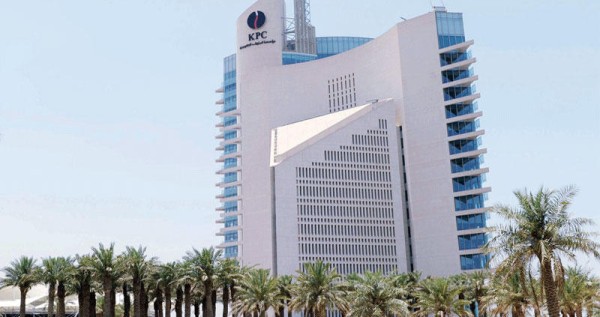
An official report revealed that the Petroleum Authority reduced operating expenses by 12.1% and increased net profits by 57% thanks to spending rationalization and increased investment in developmental projects.
Translated by Qiyas from السياسة — Original source
Successful Bilal
Sources familiar with the matter told "Al-Siyasa" that the Kuwait Petroleum Corporation (KPC) follows a balanced financial approach that combines controlling spending on operational expenses while simultaneously maintaining the development and quality of oil production.
The sources clarified that the corporation's financial indicators over the past two years confirm tangible success in improving operational spending efficiency, alongside enhancing investment in future assets. They noted that the current KPC policy focuses primarily and directly on eliminating waste in all its forms and drying up its sources to boost state oil revenues and ensure the optimal utilization of national wealth.
According to an official report issued by the "Kuwait Petroleum Corporation," a copy of which was obtained by Al-Siyasa, there has been a significant strategic shift in cash flow management. Total expenses declined from 34.7 billion dinars in the fiscal year 2024/2025 to 30.5 billion dinars in the fiscal year 2025/2026, representing a decrease of 4.2 billion dinars, or a drop of 12.1%. Conversely, total capital expenditure directed toward major developmental and construction projects surged from 1.9 billion Kuwaiti dinars to 2.3 billion Kuwaiti dinars, an increase of 0.4 billion dinars, representing a growth rate of 21%. This underscores the corporation's seriousness in building sustainable assets for the future.
Regarding sales movements and their external impacts, the same report confirmed that the corporation's total revenues fell to 32.7 billion dinars in the budget for the fiscal year ending on March 31, 2026, compared to approximately 36.1 billion dinars in the preceding fiscal year.
The sources attributed this decline in revenues to the sharp fluctuations witnessed in global oil markets during the second, third, and fourth quarters of the fiscal year ending on March 31, 2025, as well as Kuwait's full commitment to producing OPEC+ alliance quotas and implementing targeted voluntary cuts to maintain stability and balance in the global oil market.
The sources pointed out that the decline in expenses, which exceeded the decline in revenues, was the primary driver and cornerstone behind the significant surge in net profits. Net profits of the "Kuwait Petroleum Corporation" jumped by 57% to reach approximately 2.2 billion dinars in the budget for the fiscal year ending on March 31 of last year, compared to the preceding year. This clearly reflects the efficiency of financial management and the high flexibility in dealing with challenges and continuous fluctuations in global markets and sales operations.
Sources noted that the Authority adopted a prudent policy of rationalizing expenditures and controlling operational costs by implementing a strict supervisory system to enhance spending efficiency within the Authority and its subsidiaries, such as Kuwait Oil Company and Kuwait National Petroleum Company. This was achieved by improving the operational efficiency of refineries and production facilities, reducing financial waste in non-core consulting and service contracts, and cutting administrative expenses that do not affect the smooth conduct of intensive daily field operations.
Regarding the rise in capital spending, sources indicated that growth in this category represents a positive shift, reflecting the Authority’s increased focus on major development projects to ensure production sustainability and develop the oil sector. The increase was directed toward supporting the strategy to boost crude oil and associated gas production capacity, including offshore drilling projects and the development of the North Field, as well as refining expansion and infrastructure development through the operation and enhancement of major refining facilities such as the Zour Refinery. Additionally, environmental fuel projects were advanced to increase the value added per barrel of Kuwaiti crude, converting it into high-quality products that meet global environmental standards, satisfy international market demands, and enhance the global competitiveness of Kuwaiti products.
