More Compassion Needed in Government Measures
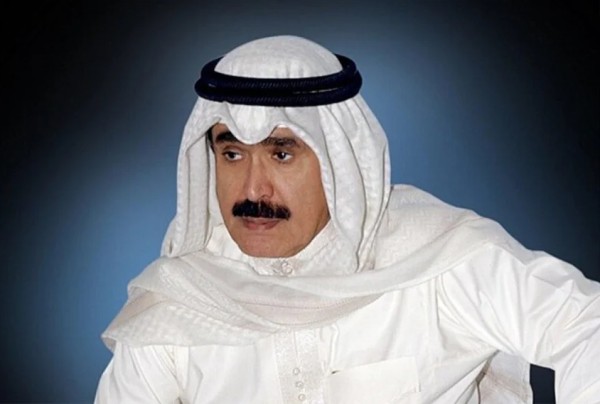
The text discusses the need for greater compassion in government measures, particularly regarding food security and agriculture, calling for a future-oriented vision that supports projects and avoids collective punishment.
Translated by Qiyas from السياسة — Original source
The region is on the brink of a precipice, so all negative outcomes are expected, particularly regarding food security, which must be the primary concern of state officials. This can only be ensured through measures that allow citizens, especially landowners, to work with peace of mind, rather than living in constant fear of harsh, unmanageable enforcement actions.
For a long time, many citizens have called for strengthening food security, but no official has taken the matter seriously. Today, when people demand enhanced food security, they are drawing on past experiences. There used to be a general sentiment among farmers that they were cultivating land for future generations, but this perception has changed. Now, land ownership can be revoked if the property is transferred through inheritance or sale.
This issue extends to many other sectors, including industry and services, which struggle to comply with government regulations enacted without a long-term vision. Instead, these rules are often based on violations committed by a few, yet everyone is held accountable. In reality, only the wrongdoer should be held responsible and brought to court.
There are also measures that are uncomfortable for business owners. Rather than fostering development, these measures stifle activity and delay projects. Compounding the problem is the fact that many executive positions in most ministries are held by acting officials. These officials fear taking any initiative that might expose them to accountability, leading to delays in paying companies’ dues. This, in turn, causes companies to delay fulfilling their obligations to employees, other businesses, and banks. Meanwhile, we read about government directives to accelerate progress in developmental projects.
In Egypt, there is a popular saying: “Give it water, and it will give you softness,” meaning the equation is “spend to achieve.” This approach relies on not delaying payments to companies so they can complete their work. However, in our context, this equation seems unrealistic. How can one achieve results without the financial capacity to fund the project?
Indeed, the country needs many projects, starting with a metro system, railways, and others, as well as free trade zones, factories, and entertainment projects. These examples illustrate how domestic spending can be boosted, rather than citizens and residents fleeing abroad during every vacation. The same logic applies to other sectors.
At one point, we told the Minister of Information that agri-tourism is essential, as it is in the Emirate of Abu Dhabi, some neighboring countries, and many nations worldwide. However, government measures prohibited allocating part of farmland for this type of tourism. In fact, those who had invested in building some recreational facilities suffered losses when a decision was issued banning their use.
Therefore, when we call for leniency in government measures, we are grounded in the reality that the regional situation is constantly changing. Military conflicts could disrupt supply chains. On this basis, there must be a forward-looking vision not only for agricultural and recreational land but also for all services, similar to what neighboring countries have done.
We have said this before, and we repeat it: Kuwait has an elite capable of working under extremely difficult conditions. Why not utilize their potential, instead of relying solely on temporary appointments or acting roles, to ensure that project implementation proceeds on the right track?
