'Diving' warns boat and ship owners of weather fluctuations during 'Al-Haimer' season
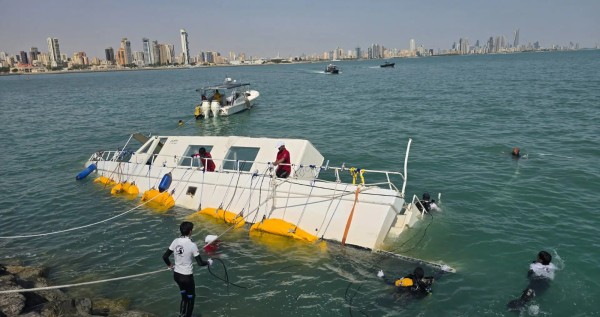
The Diving team warns against sailing during the Al-Haimer season due to stormy winds
Translated by Qiyas from السياسة — Original source
- Begins in mid-November, accompanied by stormy winds and severe weather disturbances
The Kuwaiti Diving Team at the Environmental Voluntary Foundation (Al-Mabra) has warned boat owners, ship operators, and sea-goers about weather fluctuations during the season of the star Al-Hammar, emphasizing the need for utmost caution and advising against night sailing during this period unless official authorities confirm that weather conditions are completely and accurately stable.
Waleed Al-Fadl, the team’s president, told the Kuwait News Agency (KUNA) on Thursday that the danger of sailing during the Al-Hammar star season—known as “Al-Hammar Strike” or “Al-Hammar Haze”—lies in the violent and sudden climatic fluctuations that strike the Arabian Gulf and the Arabian Sea.
Al-Fadl added that this period, which begins in mid-November and lasts approximately 40 to 45 days, is among the most dangerous maritime seasons. Historically, traditional Gulf sailors and navigators avoided going to sea entirely during this time, mooring and securing their vessels in ports.
Regarding the primary risks of sailing during this season, he explained that they involve increased activity of stormy winds and severe atmospheric disturbances resulting from the transition between autumn and winter. This makes sea condition forecasting difficult and deceptive, with northwesterly or westerly stormy winds sometimes reaching speeds of 80 to 120 kilometers per hour.
He noted that such wind speeds were capable of destroying ship sails and capsizing boats in the past, often accompanied by sudden sea agitation and wave heights reaching dangerous levels that could sink sailing vessels and fishing boats.
In this regard, Al-Fadl urged sea-goers to adhere to essential safety guidelines to protect themselves from danger, most importantly avoiding sailing entirely during nighttime hours due to reduced visibility and the difficulty of handling sudden weather changes or water currents. He also stressed the need to completely avoid navigating through known maritime sites with strong currents and high risks during this period.
He identified these high-risk sites as Ras Al-Ard, Ras Al-Jali’a, and Ras Al-Zour, where sailing dangers are amplified by severe wave disturbances. He emphasized the necessity of verifying the effectiveness of safety and rescue equipment on board boats, ensuring tracking and communication devices are operational, and closely monitoring weather forecasts before deciding to go to sea.
Al-Fadl stated that “sea communities typically rejoice during these days due to increased fish catches after the summer season, but this is accompanied by several risks, as most shipwreck incidents in Kuwait, both historically and currently, occur during this season.”
He stressed the importance of adhering to these instructions, which form the cornerstone of preserving lives and property, and expressed gratitude to the General Administration of Coast Guard and the General Fire Force for their efforts and the services they provide to sea communities.
