Saudi Cabinet reaffirms Kingdom's right to defend the security of the Two Holy Mosques and counter Houthi aggression
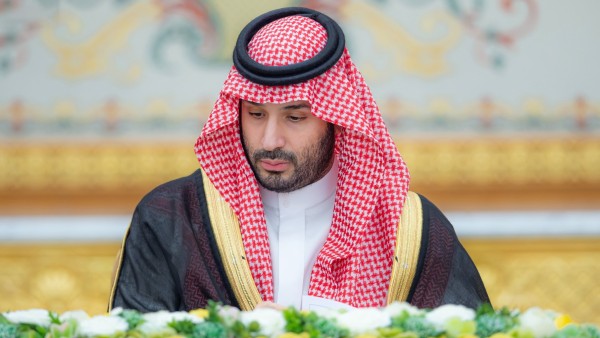
The Saudi Cabinet reaffirmed the Kingdom's right to defend the security of the Two Holy Mosques and counter Houthi aggression, praising the effectiveness of air defense systems in thwarting attacks.
Translated by Qiyas from السياسة — Original source
- The Kingdom reaffirms its commitment to establishing regional and international security and stability, and supports Qatari and Pakistani mediation efforts to de-escalate tensions.
- Praises the effectiveness of air defense systems in thwarting Houthi attacks on Mecca, Medina, and several other cities in the Kingdom.
The Saudi Cabinet, on Tuesday, reaffirmed the Kingdom’s commitment to establishing regional and international security and stability, emphasizing the pivotal role of the member states of the “Mecca Agreement for Joint Defense” in enhancing the security and stability of the region.
This came during a cabinet session chaired by Crown Prince and Prime Minister Prince Mohammed bin Salman, during which the contents of talks between the agreement’s member states and senior Iranian officials were reviewed.
The Cabinet affirmed the Kingdom’s support for mediation efforts undertaken by Qatar and Pakistan to de-escalate tensions, and its backing of all initiatives aimed at achieving peace.
It praised the high efficiency of Saudi air defense systems and their success in thwarting repeated attempts by the terrorist Houthi militias to target Mecca, Medina, and several other cities and facilities in the Kingdom.
The Cabinet condemned these criminal attacks, describing them as a serious aggression against the Kingdom’s sovereignty and the sanctity of Islamic holy sites, and a blatant violation of the feelings of Muslims worldwide. It reaffirmed the Kingdom’s legitimate right to resolutely defend the security of the Two Holy Mosques, their visitors, and citizens and residents within its territory.
In military affairs, the Cabinet noted that the localization rate of military spending reached 27.3 percent by the end of 2025, surpassing the annual target of 24 percent, while the local content rate rose to 40.9 percent.
It affirmed that these indicators reflect the efficiency of national capabilities and enhance integration between the public and private sectors, as part of progress toward localizing more than 50 percent of total military spending by 2030.
The Cabinet also reviewed performance indicators of the government work system and progress achieved in the fields of administration, governance, and institutional excellence, commending the Ministry of Human Resources and Social Development for winning an international award from the International Project Management Institute, outperforming 53 entities from 28 countries, thereby enhancing the effectiveness of implementing initiatives and achieving national targets.
