Bukhadhur: Direct investments and 'Shahin' a milestone over the past two years
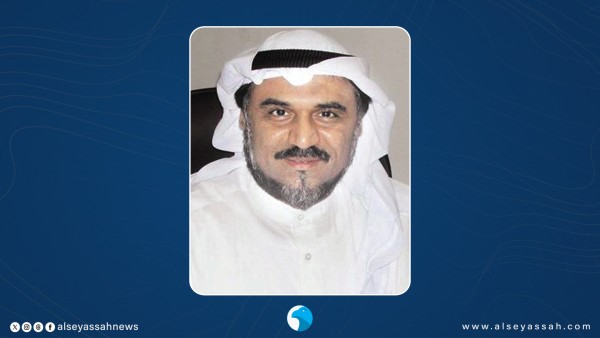
Oil expert Hajjaj Bukhadhur confirms that the rise in foreign investments and the Shahin project are a milestone for the Kuwaiti economy
Translated by Qiyas from السياسة — Original source
Not an end in itself, but an effective tool for building economic strength
Najah Bilal
Oil and economic expert Hajjaj Boukhdour affirmed that the noticeable rise in the volume of foreign direct investment represents a milestone in the trajectory of the local economy, especially after its value exceeded $6 billion in 2025, with additional massive inflows estimated at around $16 billion in 2026 through the "Shahin" project, signed by Kuwait Petroleum Corporation with global companies.
In a statement to "Al-Siyasa," Boukhdour considered that these billion-dollar inflows carry significant economic, political, and social implications, while emphasizing that the true measure lies not only in the volume of financial flows but also in their quality, developmental impact, sustainability within the broader economic system, and their resilience against current geopolitical and economic challenges facing the region and the world. He stressed the importance of directing these funds toward vital and transformative sectors that achieve the highest levels of productivity and actual output.
Boukhdour detailed the four dimensions of foreign investment growth, explaining that the economic dimension supports investor confidence, enhances production and employment, and facilitates the transfer of modern technology, provided there is a distinction between productive investment and speculation that drives up asset prices without creating real wealth. The political dimension reflects confidence in institutional stability, protection of rights, and flexible legislation, while the social aspect is manifested in improved wages and the expansion of the middle class. This leads to the strategic dimension, which ensures income diversification and increases Kuwait’s global competitiveness.
Boukhdour added that investment is not an end in itself but an effective tool for building economic strength and achieving social welfare. He noted that while the volume of money measures the movement of net inflows, the real gains for the state and society are measured by productivity levels, added value, and the fairness of returns achieved, which directly and tangibly impact citizens’ living standards and create an environment conducive to innovation and leadership across targeted economic sectors and activities.
On the same level, a well-informed source told "Al-Siyasa" that the significant jump in investment inflows to the local market during the past and current years confirms the success of recent government steps in updating the legislative framework and removing bureaucratic obstacles for global capital. This underscores continuous coordination between the Direct Investment Promotion Authority and relevant entities to develop a comprehensive package of credit, logistical, and procedural facilitations that ensure the smooth flow of capital.
The source clarified that future focus will be increasingly directed toward renewable energy, infrastructure, digital services, and advanced industries—sectors capable of transforming Kuwait into an attractive financial and commercial hub in the region.
He pointed out that these strategic partnerships will help integrate small and medium-sized local enterprises into global supply chains, thereby raising overall market operational efficiency, securing solid foundations for long-term growth, and achieving the desired developmental stability for the country. They also contribute to building robust global partnerships that create real job opportunities for Kuwaiti youth and support the pillars of a "New Kuwait Vision," which places income diversification at the forefront of its developmental and strategic priorities to build a sustainable economy that does not rely entirely on volatile traditional oil revenues in global markets.
