UN agencies warn: Unprecedented 'El Niño' intensity threatens over 50 million people with worsening hunger
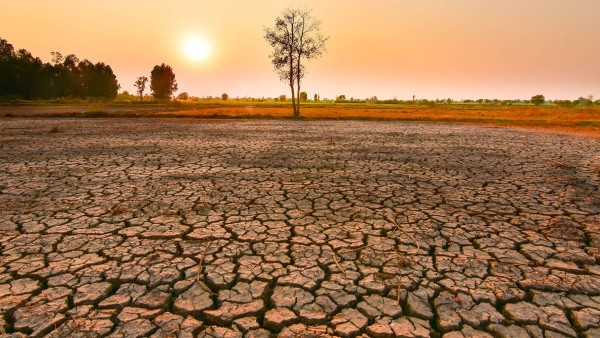
The World Meteorological Organization and the UN Office for the Coordination of Humanitarian Affairs warn of El Niño's impact on 50 million people.
Translated by Qiyas from السياسة — Original source
The World Meteorological Organization (WMO) and the United Nations Office for the Coordination of Humanitarian Affairs (OCHA) warned on Wednesday of the long-term climate and humanitarian consequences of the “El Niño” phenomenon, which is expected to reach unprecedented levels of intensity by the end of 2026, threatening more than 50 million people with worsening food insecurity and hunger.
The warning came during a joint press conference in Geneva, held by UN Under-Secretary-General for Humanitarian Affairs and Emergency Relief Coordinator Tom Fletcher and WMO Secretary-General Celeste Saulo, who called for urgent proactive measures to mitigate the impacts of the phenomenon.
Saulo stated that the latest climate forecasts indicate a likely rise in sea surface temperatures in the equatorial Pacific Ocean, the epicenter of “El Niño,” by approximately 3.8 degrees Celsius above normal levels between November 2026 and January 2027, emphasizing that its effects may persist long after peaking.
She explained that a strong El Niño event leads to widespread climate disruptions, causing severe droughts in some regions, heavy rains and floods in others, and increased heatwaves across large parts of the world.
Saulo stressed that the intensity of the phenomenon does not necessarily mean an inevitable humanitarian disaster, noting that scientific forecasts and early warning systems provide opportunities for proactive action, helping to prevent disasters, save lives, and protect livelihoods.
She urged immediate action to protect the most vulnerable groups, particularly refugees, displaced persons, and communities affected by conflicts.
For his part, Fletcher revealed that estimates from the African Development Bank indicate that the economic cost of El Niño for African countries could range between $10 billion and $20 billion, with potential GDP declines of 1 to 2 percent.
He warned that the phenomenon’s repercussions would exacerbate existing humanitarian crises, including conflicts, displacement, and rising prices of fuel, fertilizers, and food, amid a severe shortage of humanitarian aid.
He emphasized that while the world cannot prevent El Niño, it can mitigate its humanitarian impacts through early preparedness and investment in building community resilience.
The UN official called on countries, development banks, and international financial institutions to accelerate the provision of necessary funding for proactive measures before damage occurs.
He stressed that the next two weeks represent a critical window for action, noting that Somalia, Ethiopia, and Kenya require funding and supplies before the onset of heavy rains, while South Africa needs seeds and livestock before the optimal planting periods end.
He also called on governments, civil society organizations, academia, and the private sector to expand the scope of the international response, enhance the exchange of data, scientific forecasts, and expertise, and intensify international cooperation to prevent conflicts in areas most affected by the phenomenon.
