Al-Yousef: Companies Must Adhere to Paying Workers' Salaries and Entitlements... Kuwait Has Never Been a Country That Oppresses Anyone
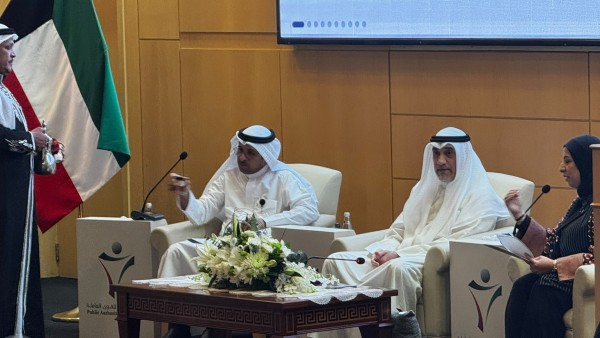
Al-Yousef emphasized the necessity of paying salaries and protecting workers from illegal practices
Translated by Qiyas from السياسة — Original source
- Audits revealed 10,000 companies with more than five employees... and cases where salaries were delayed for up to a year and a half
- Recruiting labor without paying their wages and registering expatriates in companies where they do not work are practices that may be linked to money laundering
- 17 workers were identified whose salaries were not paid, while the company owner paid his wife’s salary to continue supporting the labor force
The First Deputy Prime Minister and Minister of Interior, Sheikh Fahad Al-Yousif, emphasized the necessity for companies to pay their employees’ salaries and settle their financial dues. He stressed that monitoring the Wage Protection System aims to protect the workforce, enhance compliance in the labor market, and put an end to practices that harm workers and negatively reflect on Kuwait’s reputation.
This statement came during the second meeting with the First Deputy Prime Minister and Minister of Interior, titled “The Wage Protection System: Protecting the Workforce, A More Compliant Market,” attended by company owners. The Authority presented the system’s indicators and the levels of companies’ compliance in paying workers’ salaries.
Al-Yousif explained that some company owners recruit labor without adhering to the obligation of paying their salaries, while some expatriates receive financial compensation for registering with companies where they do not actually work. He noted that such practices may be linked to money laundering crimes and affect Kuwait’s international standing.
He revealed that audit operations showed the existence of 10,000 companies with more than five employees, pointing out that some workers had not received their salaries for four months, while in other cases, the delay extended to a year and a half.
He questioned how a worker who leaves his country and family to come to Kuwait to contribute to commercial activity can provide for his livelihood and support his family, whether inside or outside the country, if he does not receive his salary, affirming the necessity of not neglecting workers’ rights.
Al-Yousif stressed that Kuwait has never been a country that oppresses anyone, clarifying that anyone who does not wish to continue employing a worker must settle his dues and allow him to leave, rather than leaving him without a salary or financial rights.
He criticized cases where some relatives of company owners, including wives and family members, receive salaries or support for labor, while actual workers do not receive their dues.
He noted that an examination of some cases revealed that 17 workers had not been paid their salaries, while the company owner was paying his wife’s salary to continue supporting the labor force.
He affirmed that addressing these violations should have started earlier, noting that the escalation of figures related to money laundering cases necessitated taking action and following up on the file more seriously.
Al-Yousif explained that he contacted a government entity that had financial dues owed to a company, with the aim of disbursing those amounts and using them to settle the delayed salaries and workers’ dues, enabling companies to regularize their status and allowing those whose employment relationship has ended to leave according to standard procedures.
He concluded by emphasizing the importance of taking responsibility and fulfilling financial obligations toward workers, thereby safeguarding their rights and contributing to enhancing discipline in the labor market.
