Al-Harimi to 'Al-Siyasah': Oil to Remain Above $100 Amid Ongoing Tensions
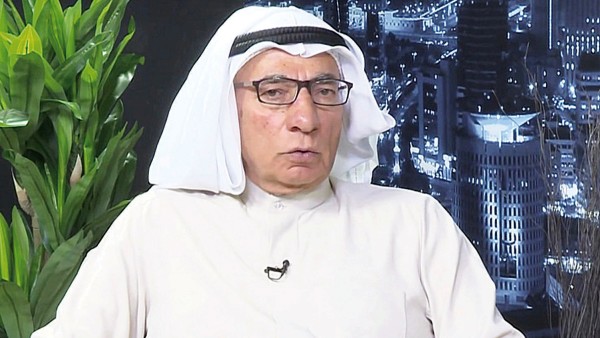
Oil expert Kamel Al-Harimi confirms oil prices will stay above $100 due to geopolitical tensions, urging the National Oil Company to diversify export routes via new pipelines.
Translated by Qiyas from السياسة — Original source
Amid Middle East Crises and the Russian-Ukrainian War
Najah Bilal
Global energy markets have recently witnessed a wave of sharp volatility that has underscored the necessity of reshaping the international economic landscape, as political and security threads intertwine to cast their direct shadows on supply movements and price levels.
In this context, Kuwaiti oil expert Kamal Al-Harimi provided an in-depth analytical perspective to "Al-Siyasa" on the outlook for oil markets and the future of Kuwait’s logistical strategies in the face of these surrounding challenges. He emphasized that current geopolitical events in the region, along with the ongoing reciprocal attacks targeting Russian refineries that affect their production capacities, will play a pivotal and highly significant role in sustaining high global oil prices in the coming period.
The oil expert clarified that these continuous security and political tensions create a state of persistent uncertainty in international shipping lanes and production hubs, directly contributing to prices remaining above the $100-per-barrel threshold for extended periods. This situation compels producing countries to adopt flexible policies that ensure the flow of exports and secure markets under all circumstances.
Regarding local initiatives to address these changes, Al-Harimi discussed the Petroleum Authority’s move toward studying and implementing strategic projects aimed at diversifying export outlets and reducing reliance on traditional waterways that may be vulnerable to threats. In this regard, he noted that the Authority’s direction toward establishing a new pipeline to transport Kuwaiti oil directly to Saudi Arabia or to the Gulf of Oman represents a highly positive strategic step. This initiative would enhance Kuwait’s national oil security and provide it with a safer and more stable marketing window on the open ocean.
Al-Harimi expressed his hope that the Petroleum Authority would announce the details of the integrated executive and engineering plan for this vital pipeline in due course. He highlighted a number of important regulatory and logistical aspects that require study and prior coordination with regional parties, particularly since studies for such pipelines would require the approval of the countries through which they would pass. Furthermore, the project necessitates an understanding of the legal and financial mechanisms governing such transit, including questions about whether those countries would receive financial rents or economic returns in exchange for allowing the pipelines to cross their territories. This reflects the importance of oil diplomacy in ensuring the success of such cross-border projects.
Continuing with the vision aimed at fortifying the Kuwaiti oil sector against external shocks, Al-Harimi addressed the file of expanding oil storage projects in external markets and major consumer countries. He viewed the adoption of external storage as a positive and successful step that helps bring exports closer to end consumers and provides strategic reserves close to global markets. However, he believed that the full and effective success of this step depends on the clarity of agreements concluded with the host countries of these warehouses. There is a pressing need to ensure that these countries allow the sale of stored Kuwaiti oil during emergency crises or facilitate its re-export and shipment back to Kuwait in the event of force majeure that could halt oil pumping from primary sources.
