Yemeni Government Calls for Urgent International Action to Lift Houthi Militia Siege on Taiz
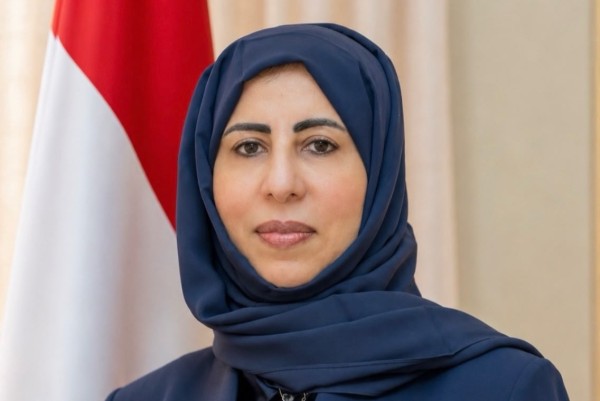
The Yemeni government called on the UN and Security Council to lift the siege on Taiz, warning of a humanitarian catastrophe threatening 4 million people.
Translated by Qiyas from السياسة — Original source
- Warned of a humanitarian catastrophe threatening more than 4 million people and called for opening border crossings and ensuring the delivery of essential supplies.
- Emphasized strengthening documentation, accountability, and prosecution mechanisms for those responsible for violations, ensuring they do not escape punishment.
The Yemeni government on Wednesday urged the United Nations and the UN Security Council to take urgent steps to lift the blockade imposed by Houthi militias on the city of Taiz, warning of a humanitarian catastrophe threatening more than four million residents in the city.
Deep political analysis
News
Read News
The Yemeni state news agency reported that this came in a letter addressed by Yemeni Foreign Minister Afrah al-Zoubi to the UN Secretary-General, the President of the UN Security Council, the UN High Commissioner for Human Rights, the President of the International Committee of the Red Cross, and the UN Under-Secretary-General for Humanitarian Affairs, regarding the deterioration of the humanitarian situation in Taiz Governorate due to the escalation of Houthi militias.
Al-Zoubi warned that tightening the blockade on Taiz and villages in the governorate threatens the besieged population within the city and internally displaced persons from affected directorates, including Al-Shamaytain, Al-Mawassit, and Jabal Habashi in the southern and western countryside of the governorate.
She called for direct international pressure to lift the blockade and open Taiz’s crossings for civilians and supplies, ensuring the sustainable and unimpeded delivery of food, fuel, and drinking water.
She urged the strengthening of monitoring, documentation, and accountability mechanisms, preserving evidence of violations, holding those responsible accountable, and ensuring they do not escape punishment.
She stressed the necessity of adopting a clear international stance against practices that deprive civilians of basic necessities or use their humanitarian needs as a means of pressure and imposing facts on the ground.
She pointed to Yemen’s commitment to cooperating with the UN, its specialized agencies, humanitarian and human rights organizations, and regional and international partners, by providing available data and information and facilitating humanitarian response efforts to alleviate the suffering of the population, protect civilians, and ensure aid reaches its intended beneficiaries.
She emphasized that the severity of the situation in Taiz, which poses a direct threat to the lives, dignity, and fundamental rights of civilians, necessitates urgent international action that goes beyond expressing concern to taking practical measures to end the blockade, restore the flow of essential supplies, protect civilian infrastructure, and prevent the worsening of the humanitarian catastrophe.
