GCC Secretariat General: 2026-2030 Civil Service Strategy Enhances Achievements of Joint Gulf Work
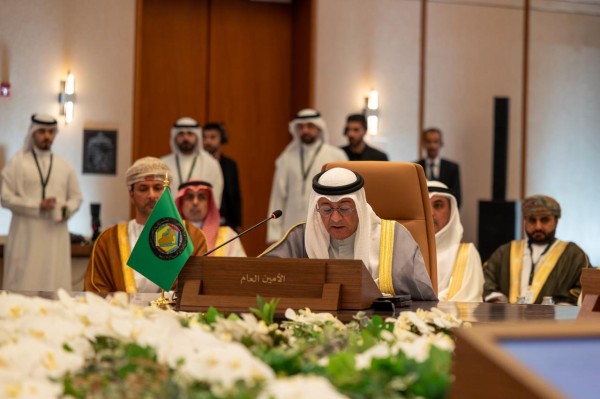
Al-Badawi affirmed that the 2026-2030 Civil Service Strategy enhances the achievements of joint Gulf work, noting that the number of Gulf workers has exceeded 25,000.
Translated by Qiyas from السياسة — Original source
Al-Badawi: More than 25,000 Gulf Cooperation Council (GCC) nationals work in member states, with approximately 13,800 benefiting from the extension of social security coverage
The Secretary-General of the Gulf Cooperation Council (GCC), Jassem Al-Bedaiwi, confirmed on Thursday that the Strategic Action Plan for Civil Service and Human Resources Development 2026-2030, along with its associated initiatives, will contribute to enhancing the achievements of GCC states in the fields of civil service and human resources development.
News Services
This statement was made by Al-Badawi during his address at the 22nd meeting of the Committee of Ministers and Heads of Civil Service Authorities of the GCC states. The meeting was chaired by Sheikh Duaij bin Salman Al Khalifa, Head of the Civil Service Authority in the Kingdom of Bahrain, and attended by ministers and heads of civil service authorities from the member states.
Al-Badawi praised the tangible progress achieved in this field in previous periods, as well as the considerable efforts and sound directives provided by the members of the Committee of Ministers and Heads of Civil Service Authorities.
In his speech, he highlighted key achievements in civil service and human resources development realized in the recent past, notably the signing of a memorandum of understanding (MoU) with a leading global company specializing in human resources database construction. This MoU remains in effect, enabling member states to continue benefiting from the advantages and opportunities it provides.
He clarified that the MoU has helped achieve its intended objectives, alongside securing the best possible prices and terms. This underscores the importance and effectiveness of a collective negotiation approach in strengthening bargaining power and maximizing benefits for member states, based on joint efforts and integration within the framework of a single bloc.
He noted that the number of GCC nationals working in other member states has exceeded 25,000. Approximately 11,500 are employed in the public sector, while statistics indicate that around 13,800 nationals are benefiting from the extension of social security coverage in other member states.
He added that these indicators reflect concrete steps taken in the path of GCC integration in the civil service sector. They also highlight the advantages and rights granted to GCC nationals through GCC Council decisions, which enhance employment opportunities, mobility, and stability, while reinforcing the principle of equal treatment among GCC nationals and supporting the foundations of a decent standard of living across all member states.
The Secretary-General concluded his address by commending the efforts of GCC states aimed at improving the performance efficiency of government employees, equipping them with all necessary tools to perform their duties optimally, including advanced technology and artificial intelligence.
