Al-Alemi: 'Yemen Dawn' continues until Sanaa and all country territories are restored
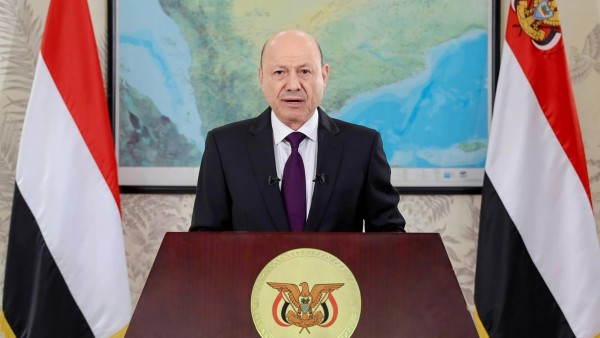
- Field difficulties will not prevent the state from being restored and paving the way for a just and sustainable peace
- Appreciation expressed for Saudi support and backing of the armed forces in the battle to restore state institutions
The Chairman of the Yemeni Presidential Leadership Council, Rashad al-Alimi, affirmed on Wednesday that the “Yemen Dawn” operation is progressing toward achieving its objectives, including the restoration of state institutions and the completion of the country’s liberation, stressing that restoring the state is a shared national responsibility.
The official Yemeni News Agency reported that this statement was made during al-Alimi’s meeting with the leadership of the National Coalition of Political Parties and Components, chaired by Dr. Ahmed bin Daghr, to discuss activating the political, popular, and media roles in supporting efforts to restore the state.
News Services
Al-Alimi stated that the armed forces, security apparatus, and popular resistance would continue to fulfill their duties, and that the state’s direction and goals would not change until the capital, Sana’a, is reclaimed and state authority is reestablished across all its territories.
He added that military operations might see progress on some fronts and temporary complexities on others, but that difficulties would not hinder continued efforts to restore the state and its institutions, nor pave the way for a just and sustainable peace.
He clarified that “Yemen Dawn” is not merely the name of a military operation, but represents a stage toward ending the war and restoring Yemenis’ republic and future.
He called on political parties and components to activate their presence in governorates, strengthen ties with local communities, contribute to addressing citizens’ issues, and maintain communication with their cadres and supporters in areas controlled by Houthi militias.
Al-Alimi emphasized the importance of cohesion among the political, popular, and media fronts, boosting citizens’ morale, enhancing trust in state institutions, countering disinformation, and preventing temporary field developments from being turned into political or psychological gains.
He reiterated that the Safe Return and Amnesty initiative complements the path toward restoring the state, reducing the cost of war, and opening the door for those who abandon Houthi militias and return to the state’s side, provided they were not involved in “excluded crimes.”
He highlighted statements from the Saudi Cabinet affirming support for the Presidential Leadership Council, the government, and the Yemeni people in ending the coup and restoring state institutions, noting that the Council stressed that Houthi militias had chosen military escalation and continued to threaten the region, as well as navigation in the southern Red Sea and the Bab al-Mandab Strait.
Al-Alimi expressed his appreciation to the leadership and people of the Kingdom of Saudi Arabia for their support of the Presidential Leadership Council, the government, and the Yemeni people, and for backing the armed forces in the battle to restore state institutions, security, and stability.
