8.1 Billion Liters of Fuel Sold Locally Last Year
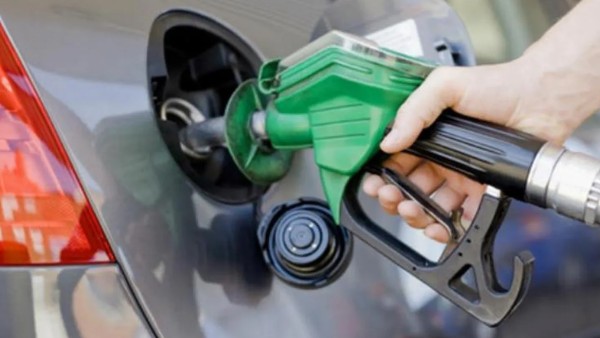
An official report reveals a surge in fuel sales to 8.12 billion liters.
Translated by Qiyas from السياسة — Original source
Gasoline and diesel lead, while kerosene sales decline
By Bilal Naji
Reflecting the strategic role of the Kuwait Petroleum Corporation in supporting and encouraging the local market and securing energy needs for various vital sectors in the country, its constant commitment to providing sustainable supplies that support developmental and industrial projects to enhance the resilience of the national economy, and meeting growing demand with high efficiency, official information obtained by Al-Siyasa revealed that the National Oil Company achieved a notable operational breakthrough in the local marketing sector during the fiscal year ended on March 31, 2026. Actual fuel sales jumped to approximately 8.12 billion liters, surpassing the planned sales volume of 8.01 billion liters and recording clear growth compared to the previous year’s sales, which stood at 7.92 billion liters.
A review of the official report’s data on fuel products sold in the local market showed that gasoline topped the list of the most consumed products in the country, with actual sales reaching approximately 5.17 billion liters, compared to 5.25 billion liters in the plan and 5.11 billion liters last year. Conversely, diesel recorded a significant leap, notably exceeding its plan targets, with actual sales reaching approximately 2.90 billion liters, compared to 2.65 billion liters in the plan and about 2.71 billion liters in the previous year. Meanwhile, actual kerosene sales remained stable at approximately 51.8 million liters, compared to 110 million liters in the plan and the same figure for the previous year.
To analyze the implications of these figures, an informed oil source confirmed to Al-Siyasa that they reflect the efficiency of local marketing operational plans and their flexible capacity to keep pace with growing demand for key products, especially gasoline and diesel, which form the mainstay of local transportation and operations. The source noted that the shift in sales rates accurately reflects the nature of developmental changes and prevailing economic activities in the country.
The source explained that the growth in gasoline sales in the budget for the fiscal year ended on March 31 is directly linked to increased actual sustainable consumption resulting from demographic growth and accelerated population expansion with the opening of new housing cities, which led to an increase in daily distances traveled by cars.
The same source believed that the exceptional growth in diesel sales and its surpassing of planned targets was an inevitable result of the accelerated pace of major developmental projects, especially infrastructure and construction projects such as the development of seafronts and new housing projects that rely directly on heavy machinery and power generators. Additionally, the recovery of the logistics transport sector, road freight movement, and cargo supply between ports and industrial areas reflects active internal trade.
Commenting on the decline in kerosene sales, the source confirmed that the decrease is primarily due to the structural shift toward cleaner and safer alternatives and the reduced reliance on kerosene in craft sectors, small industries, and households, with a full transition to electricity or liquefied natural gas. Furthermore, factories and bakeries have adopted modern technologies that comply with environmental efficiency standards, significantly reducing kerosene’s traditional share in the market.
In light of these figures and indicators, the source concluded his statement by noting that the sales leaps achieved by Kuwait National Petroleum Company (KNPC) in the local market leave no room for doubt that the record-breaking success, realized under the direct strategic patronage of the Kuwait Petroleum Corporation (KPC), not only reflects the efficiency of flexible planning and the high executive capability of KNPC, but also provides a vivid demonstration and an accurate reading of the broad-based economic recovery and the significant developmental momentum the country is witnessing across various sectors and levels.
