Historic jump in Kuwaiti workforce numbers at 'National Oil Company'
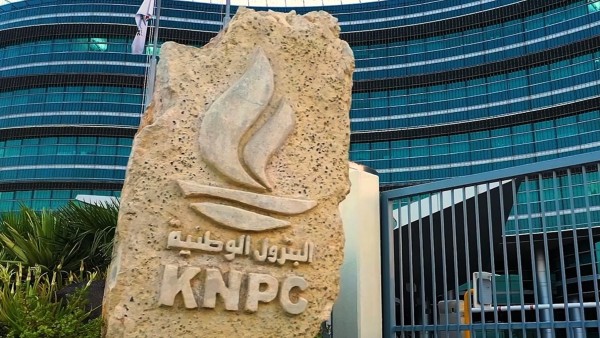
A surge in the number of Kuwaiti employees at the company.
Translated by Qiyas from السياسة — Original source
Total of 7,650 employees by mid-2026
By Bilal Naji
The Kuwait National Petroleum Company (KNPC) witnessed an unprecedented surge in the size of its workforce and national cadres by mid-2026, marking a major strategic leap in the trajectory of the local oil sector. This significant transformation was driven by decisive decisions to streamline internal operations and restructure the organization. Data obtained by Al-Siyasa reveals that the company’s total staff reached more than 7,650 employees by mid-year, reflecting the massive operational expansion KNPC is undergoing in its new phase, thereby reinforcing its position as one of the largest incubators for national talent in the country.
This record-breaking growth completes a continuous upward trend documented in the company’s annual report for the fiscal year 2025–2026, a copy of which was obtained by Al-Siyasa. The report showed a notable increase in employee numbers, rising to 6,441, an increase of 36 workers compared to the end of the previous fiscal year. At the end of March 2025, the headcount stood at approximately 6,405 employees, including staff from Kuwait Aviation Fueling Corporation (KAFCO). The firm commitment to the Kuwaitization policy during the fiscal year ending March 31, 2026, was evident through the hiring of 171 new Kuwaiti employees alongside non-Kuwaiti staff across various specialties. Consequently, the total number of national cadres within the company, including KAFCO employees, rose to 5,979 Kuwaiti nationals, representing an exceptional share of 92.82% of the total workforce.
Seasonal Holidays and Occasions
Education
Economic News
In the same context, a source familiar with the matter told Al-Siyasa that this rapid growth and remarkable success, which culminated in KNPC reaching a total of 7,650 employees, resulted from restructuring and comprehensive integration plans within the oil sector. These initiatives aim to build a unified operational system based on a shared vision and consistent mechanisms capable of addressing future challenges and meeting the needs of global energy markets with flexibility and competence.
The source clarified that the significant increase in workforce numbers after March 2026 was a direct outcome of large-scale mergers and acquisitions carried out during the past and current years. Key milestones included transferring the affiliation of Kuwait Integrated Petroleum Industries Company (KIPIC), as well as the gas plants in Shuaiba and Um Al-Aish, under the umbrella of KNPC.
The source emphasized that the merger and acquisition step was not merely a temporary administrative or regulatory measure, but rather a carefully planned strategy to maximize the utilization of human resources and enhance the operational efficiency of vital facilities. This approach successfully created an integrated work environment that eliminates duplication and redundancy, while boosting productivity levels in a sector that serves as the main artery and backbone of the Kuwaiti economy. This unified system contributes to refining the skills of national talents and providing them with opportunities to lead mega-projects and modern refineries according to the highest global standards, thereby proving once again that Kuwaiti cadres are the truly sustainable bet for the future energy industry.
He added that these figures reflect the deep commitment of the Kuwait National Petroleum Company (KNPC) to the policy of Kuwaitization and the empowerment of Kuwaiti nationals, given the importance of its role in the Kuwaiti oil sector, which is highlighted by safeguarding economic and national security. Managing and developing the country’s oil resources in the hands of nationals ensures the continuity and stability of production, free from external fluctuations, thereby strengthening Kuwait’s economic sovereignty.
Regarding the role of national engineering and technical cadres within the company, he stated that they have directly contributed to the transfer and localization of technology, as well as the operation of modern refineries and large-scale environmental projects. This signifies the localization of complex knowledge and technical expertise within the country, particularly since young Kuwaiti professionals possess high-level competencies that ensure sustainability, innovation, and the development of work mechanisms, thereby securing the company’s regional and international leadership.
