Al-Dughaim: Residential construction jumped to 300,000 dinars... due to materials and labor
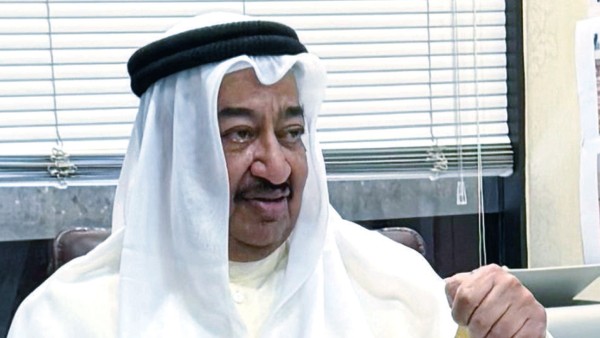
He told "Al-Siyasa" that foreign ownership of real estate requires more flexible, comprehensive solutions. The creation of a fully integrated labor city with appropriate services is among the key solutions to regulate re
Translated by Qiyas from السياسة — Original source
He told "Al-Siyasa" that foreign ownership of real estate requires more flexible, comprehensive solutions.
The creation of a fully integrated labor city with appropriate services is among the key solutions to regulate rents in the market.
Real estate expert Abdulaziz Al-Dughaim confirmed that the Kuwaiti real estate market is currently experiencing a period of relative calm, particularly in the private residential sector. He considered this calm to be a result of the strong wave of price increases the market witnessed in previous years, noting that current trading activity reflects a reordering of positions and investment decisions rather than a state of complete stagnation.
Breaking News App
Try Calendar Apps
Al-Siyasa
Al-Dughaim told "Al-Siyasa" that heirs are the most active sellers in the market due to their divestment from their properties. He clarified that a segment of traders and real estate speculators had moved away from the private residential sector following stricter regulations concerning vacant land, which must now be developed and cannot be left undeveloped.
A Buying Opportunity
He added: "Anyone buying residential property today is certainly among the winners, as the market has dropped from its previous levels. The rise occurred after the coronavirus pandemic and lasted for several years, and now it is declining. Therefore, a buyer who enters the market based on careful study and calculations may find better opportunities than before."
Market activity recorded in 2026 partially aligns with Al-Dughaim’s description of a market reordering. The value of private residential transactions reached approximately 426.6 million dinars in the second quarter of the same year, an 8.2 percent increase over the first quarter. Meanwhile, the number of deals rose to 1,106 transactions, a 23.3 percent increase.
However, the average transaction value dropped to approximately 385,700 dinars, reflecting increased activity alongside a decline in average transaction sizes.
Vacant Land
Regarding the law on monopolized or vacant land, Al-Dughaim stated that measures related to undeveloped land have impacted investors' decisions and contributed to downward pressure on the prices of some plots, albeit to a limited extent. He pointed out that the nature of the real estate market makes it highly sensitive to regulatory decisions.
He said: "Capital is cowardly. If an investor feels there are obligations or that the market is unclear, they hesitate before entering."
He emphasized that the residential market differs fundamentally from real estate investment, rejecting what he perceives as a confusion between the nature of the two sectors. He stated that residential property cannot be treated with the logic of investment real estate, particularly because financing the purchase and construction of private homes involves different considerations. Furthermore, the return on a private home is not measured by the rental yield of investment real estate. He noted that 2026 data confirms the continued importance of private residential property in the market; it accounted for 47 percent of total real estate transactions during the second quarter, compared to 31.6 percent for investment real estate. The total value of real estate transactions during the same quarter amounted to 907.5 million dinars.
Unregulated Expansions
Al-Dughaim criticized what he described as unregulated expansion in converting some private homes into intensive rental activities. He explained that allowing the construction of two apartments in certain cases was intended to address family and housing needs, not to convert private residential property into full-scale investment real estate.
He said: "The government allowed the construction of two apartments to help alleviate the housing crisis, but it did not permit the construction of a complete building with a basement, first, and second floors." He considered that the expansion of commercial renting within residential areas could affect the privacy of these areas and the nature of their use.
He stressed that resolving the housing crisis requires comprehensive solutions, rather than placing the burden of rising demand on a single sector, calling for a clear distinction between private residential housing and investment housing.
Rents and Singles' Housing
Al-Dughaim shifted focus to the rental market, arguing that pressure on investment properties is driven not only by investor activity but also by rising demand for residential units, particularly following changes in some areas housing migrant workers.
He stated that evicting single individuals and companies from certain areas without providing adequate alternative housing has shifted demand to districts such as Farwaniya and Mahboula, thereby impacting rental levels.
“In my view, the solution is to establish a comprehensive workers’ city with reduced rents and available basic services. This would alleviate pressure on investment and residential areas and help stabilize the rental market,” he added.
Construction Costs Double
Regarding the construction sector, Al-Dughaim noted that rising costs of land, materials, and labor have made it increasingly difficult for citizens to enter the construction market. He pointed out that the cost of building a home, which previously hovered around 150,000 dinars, now ranges between 250,000 and 300,000 dinars in some cases, depending on the project’s size and specifications.
He attributed this surge to higher prices for construction materials, increased labor costs, and the ripple effects of regional and international crises on supply chains. He emphasized that construction costs have become a key factor in determining citizens’ ability to own housing.
Al-Dughaim also addressed the issue of migrant labor and professional expertise, criticizing policies that restrict the continued employment of experienced professionals after the age of 60. He argued that the loss of such expertise affects not only the labor market but also other sectors, including real estate, construction, and services.
He stated that Kuwait needs to leverage the skills of experienced professionals who have demonstrated competence, particularly in trades that are difficult to replace quickly. He called for flexible policies that distinguish between unskilled labor and experienced workers with specialized skills.
Foreign Ownership
On the issue of foreign property ownership, Al-Dughaim supported granting eligible expatriates greater opportunities to own real estate under clear regulations. He noted that some residents have spent decades in Kuwait, paying substantial amounts in rent without acquiring any property assets.
He cited the example of an expatriate paying 350 dinars monthly for 43 years, noting that the total amount paid theoretically amounts to approximately 180,000 dinars. He questioned why a portion of these funds could not be converted into organized property ownership if legislation permitted it.
He argued that allowing ownership under carefully regulated conditions could create an economic cycle benefiting citizens, the banking sector, and the real estate market, pointing to regional experiences, particularly Dubai, which has implemented specific systems for non-citizens to own property in designated areas.
Al-Dughaim emphasized that the Kuwaiti real estate market requires not isolated decisions but a comprehensive vision that integrates housing, land, construction, labor, and rentals. He stressed that each sector must operate within a clear framework to ensure market stability while safeguarding citizens’ right to adequate housing.
