Al-Harimi: Rising oil prices present an opportunity to ease pressures on the state budget
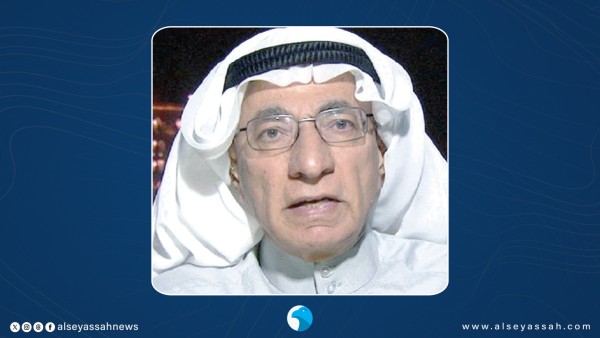
After oil prices crossed the $110 mark and production levels increased
Kamal Al-Harimi: The current oil price surge presents an unprecedented historic opportunity for the Gulf economy
Najeeb Bilal
While the price of a Kuwaiti crude oil barrel surpassed the $120 mark during last week’s trading and fell in Thursday’s (the 24th) sessions, the price remains at an advanced level, still holding above the $100 threshold. This is particularly notable given that the price was below $75 per barrel in the first third of last August.
Global indicators suggest that the recent rise in oil prices is a result of escalating geopolitical risks in the region, which is experiencing rapid escalation that casts a direct shadow on global energy markets, pushing oil prices to these record levels. These increases are also driven by the imposition of a naval blockade and a sharp decline in the daily transit of oil tankers following the targeting of several commercial vessels with projectiles in the Strait of Hormuz, alongside the precautionary closure of Saudi Arabia’s East-West pipeline after attacks on pumping stations. This has temporarily deprived markets of an alternative route to the closed waterway.
Boosting revenues
Oil expert Kamal Al-Harimi affirmed in a special statement to “Al-Siyasa” that the Kuwaiti crude oil barrel price crossing this level grants Kuwait an important strategic opportunity to boost its oil revenues and alleviate the increasing pressures facing the state’s general budget, especially if the current price levels coincide with an actual increase in production rates and the utilization of the maximum possible quantities available for sale in global markets.
He clarified that Kuwaiti refineries, whether located within the country or belonging to Kuwait Petroleum International (KPI) abroad, currently account for a significant portion of crude oil production. This makes increasing production a decisive factor in meeting refining needs and operating these refineries at full capacity on one hand, and boosting surplus quantities available for export to external markets on the other hand, to ensure the benefit from high profit margins.
Increasing production
Al-Harimi pointed out that higher production rates in the current phase carry direct positive implications for the state’s public finances, especially in light of the current oil price surge. He explained that the break-even point for the Kuwaiti budget requires a price hovering around $90 per barrel. Therefore, sustained prices above the $100 level provide substantial financial savings and additional revenues that can contribute tangibly to narrowing the fiscal deficit gap, estimated at approximately 9.7 billion dinars. This temporary price surge can be converted into actual cash flows that flow into the state’s general treasury.
He underscored the paramount importance of immediate action to raise Kuwait’s crude oil production to higher levels, aiming for a target of 3 million barrels per day, compared with current production rates ranging between 2.6 and 2.7 million barrels per day. He noted that international markets and prevailing conditions provide a favorable environment for leveraging any additional volumes that can be pumped. He affirmed that the current critical phase requires Kuwaiti decision-makers to pursue two parallel economic tracks: the first focuses on maximizing the benefits of high oil prices by increasing production and oil sales, while the second, equally essential track, centers on curbing current and non-capital expenditure to ensure broader fiscal space for reducing the fiscal deficit and securing economic sustainability, without compromising major development projects or burdening the state’s public finances with additional debt resulting from uncalibrated expansion in borrowing.
Developmental Leap
On the same note, economic reports indicated that the current exceptional surge in oil prices represents an unprecedented historical window of opportunity for the Gulf economy, enabling it to achieve accelerated developmental leaps and directly strengthen the robustness of its financial soundness. These record-high prices drive a massive influx of financial returns, helping to transform public budget deficits into strong fiscal surpluses. This allows Gulf Cooperation Council (GCC) countries to accelerate the implementation of major national projects outlined in their long-term strategic visions. This monetary abundance also positively impacts the growth of non-oil gross domestic product (GDP) by boosting generous government spending on vital sectors such as infrastructure, artificial intelligence, tourism, and manufacturing, thereby driving economic diversification away from traditional reliance on energy markets. Furthermore, this boom empowers Gulf central banks to bolster their foreign exchange reserves and support sovereign wealth funds in expanding their global investments and seizing lucrative investment opportunities in international markets, ensuring the sustainability of wealth for future generations and shielding Gulf economies from any external shocks that may arise from future price volatility in the global oil market.
