Arab Convention Against Corruption Conference Adopts Kuwaiti Resolution to Enhance Beneficial Ownership Transparency
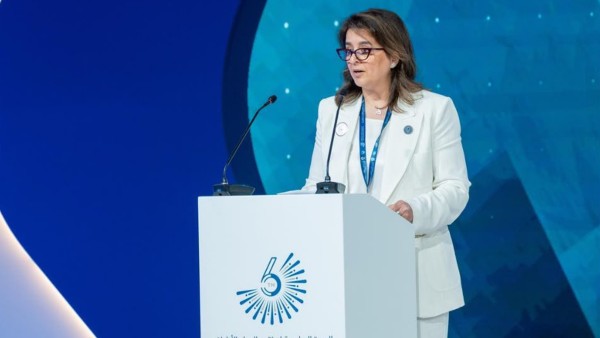
The Arab Convention Against Corruption Conference adopted a Kuwaiti resolution to enhance beneficial ownership transparency, marking a first step by the Public Authority for Combating Corruption.
Translated by Qiyas from السياسة — Original source
- Al-Faris: First initiative proposed by “Nazaah” on behalf of Kuwait strengthens detection, tracking, and recovery of corruption proceeds
The Conference of the States Parties to the Arab Convention on Combating Corruption, at its sixth session held in Doha, adopted a resolution proposed by Kuwait and drafted by the Public Authority for Combating Corruption (“Nazaah”), concerning the enhancement of beneficial ownership transparency. This marks the first draft resolution that Nazaah has prepared and submitted to the Conference on behalf of Kuwait.
In a statement, Nazaah said the resolution aims to strengthen states’ capacity to identify the individuals who own or effectively control companies, thereby reducing their use for concealing proceeds derived from corruption crimes. This facilitates the detection, tracking, and recovery of such funds by competent authorities, while safeguarding legitimate business activities.
The statement quoted Nazaah’s Chairperson, Dr. Rana Al-Faris, stating that the adoption of the Kuwaiti resolution represents an important step toward enhancing Arab cooperation in confronting methods used to conceal the identity of beneficial owners and to disguise proceeds from corruption crimes.
Al-Faris noted that “knowing who owns or effectively controls companies enhances transparency, limits the potential for their use in concealing proceeds from corruption crimes, and assists competent authorities in detecting, tracking, and recovering such funds.”
She added that Kuwait, in preparing the resolution, sought to strike a balance between promoting integrity and transparency on one hand, and protecting legitimate business activities and economic interests on the other, in line with both the Arab and international conventions on combating corruption and the recommendations of the Financial Action Task Force (FATF).
She pointed out that the resolution, as the first draft initiative prepared and submitted by Nazaah on behalf of the State of Kuwait, reflects the Authority’s orientation toward strengthening the country’s contribution to developing joint Arab initiatives in the field of preventing and combating corruption, and transitioning from participation in regional efforts to taking the initiative and proposing supportive recommendations for joint Arab action.
The resolution calls upon States Parties to develop their national legislation and regulations to address methods of concealing true ownership, enhance information exchange and cooperation among them, and leverage modern technologies and artificial intelligence in collecting and analyzing data that help identify beneficial owners.
Al-Faris clarified that the resolution is an extension of Kuwaiti efforts that began at the Gulf level, noting that Nazaah had previously prepared the “Guidelines on Practices and Measures for Identifying the Actual Beneficial Owner for GCC States,” which was adopted by the Ministerial Committee on Combating Corruption within the Gulf Cooperation Council (GCC) countries, before these efforts expanded to the Arab level.
She expressed Kuwait’s appreciation to Qatar for its excellent hosting and organization, and to the States Parties for their support of the resolution, emphasizing the expectation that its outcomes will be translated into practical steps that enhance integrity, transparency, and Arab cooperation in combating corruption.
For his part, Hamad Al-Misnad, Chairman of the Qatar Administrative Oversight and Transparency Authority, stated that the convening of the conference reflects the growing attention Arab states are paying to consolidating integrity, transparency, and the fight against corruption. He noted that the Arab Convention on Combating Corruption has, since its adoption, provided an important legal and institutional framework for joint Arab action.
He added that the next phase requires greater attention to the opportunities presented by recent transformations, foremost among them digital transformation, artificial intelligence, smart governance, and modern monitoring, follow-up, and evaluation tools, due to their role in improving performance efficiency, enhancing measurement capabilities, strengthening early prevention, supporting decision-making, and shaping policies, while remaining aware of the new challenges and risks these transformations may generate.
It is worth noting that the Arab Forum, whose activities began on September 21, included three additional dialogue sessions alongside the code of conduct, addressing “Challenges and Opportunities in Facilitating Access to Information,” “Opportunities Provided by Artificial Intelligence in Anti-Corruption Efforts,” and “The Relationship Between Parliamentary Councils and Anti-Corruption Bodies.”
