National Petroleum Company Targets Construction of Sustainable Aviation Fuel Refinery
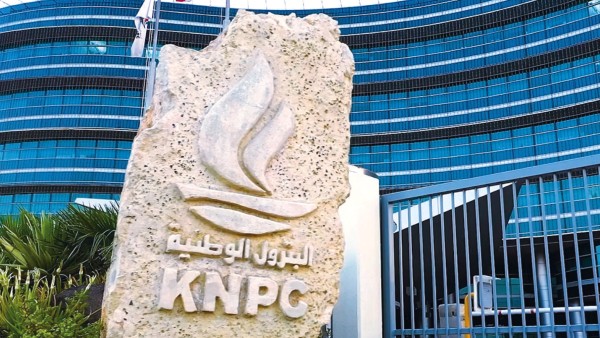
National Petroleum Company revealed plans to build a refinery for sustainable aviation fuel and reduce carbon emissions as part of its clean energy transition strategy by 2050.
Translated by Qiyas from السياسة — Original source
Within its strategy to reduce emissions and adopt cleaner, more environmentally friendly energy solutions
Najah Bilal
Documented information revealed that the National Petroleum Refining Company, the local refining arm of the Kuwait Petroleum Corporation (KPC), intends to take advanced strategic steps in alignment with the United Nations’ Sustainable Development Goals, specifically the target related to combating climate change. The company aims to establish an advanced bio-refinery dedicated to producing Sustainable Aviation Fuel (SAF) and Low Carbon Aviation Fuel (LCAF), which is globally classified as such. These initiatives are part of the Kuwaiti oil sector’s efforts to adopt cleaner and more environmentally friendly energy solutions that contribute to reducing carbon emissions from the aviation sector and global air transport.
Detailed Feasibility Study
The same data indicated that, in pursuit of this vital objective, the company will prepare comprehensive and detailed feasibility studies examining options for importing and blending sustainable fuel, alongside mechanisms for locally producing low-carbon aviation fuel.
These technical and financial studies are scheduled to be presented later to the Sustainability Committee of the National Petroleum Refining Company, with a view to submitting them to the Sustainability Steering Committee of the Kuwait Petroleum Corporation. The goal is to approve an integrated roadmap and a clear timeline for implementing these pioneering environmental projects and achieving the desired targets by 2050.
These projects come in response to the rapid developments and continuous changes witnessed by the oil and gas industry both domestically and internationally. Accordingly, the Kuwait National Petroleum Company (KNPC) will proceed, in coordination and joint cooperation with KPC, to update its current long-term strategic plan extending to 2050. This update will encompass all major sectors, activities, and functional areas within the company, ensuring alignment with modern global trends.
Transition to Clean Energy
The energy transition strategy of the National Petroleum Refining Company comes in light of independent oil and gas forecasts issued by Kuwait Oil Company (KOC). This reinforces opportunities for sustainable growth and ensures Kuwait’s continued competitiveness in global energy markets, while fully committing to environmental responsibility and reducing the carbon footprint of industrial and production operations.
As Kuwait steadily moves toward a green oil future, data revealed that the National Petroleum Refining Company has entered a new historical phase in the local oil industry’s journey. This is marked by the launch of a strategic package of environmental initiatives and advanced technological projects that pave the way for achieving net-zero carbon neutrality by 2050.
According to an oil source speaking to "Al-Siyasa" regarding these developments, this qualitative transformation adopted by the National Petroleum Refining Company reflects Kuwait’s firm commitment to international climate agreements and fulfills the vision of the Kuwait Petroleum Corporation to adopt clean and sustainable energy solutions. This new roadmap will serve as the cornerstone for developing smart, low-emission infrastructure encompassing all oil facilities, including those belonging to the Kuwait Integrated Petroleum Industries Company (KIPIC), which recently came under the umbrella of the National Petroleum Refining Company.
The source clarified that the company has completed a comprehensive preliminary feasibility study on renewable energy sources and their alternatives, noting that it has begun actual work on drawing up an integrated roadmap that includes a package of technological applications and environmental initiatives to reduce carbon emissions. This step marks a fundamental shift in the trajectory of Kuwait’s oil sector toward environmental sustainability and reliance on clean energy solutions.
Sustainable Oil Infrastructure
He added that the strenuous efforts undertaken by Kuwait Petroleum Corporation primarily aim to develop sustainable infrastructure that relies entirely on smart and innovative solutions, divided into successive timeframes covering short-, medium-, and long-term horizons. These ongoing plans will ultimately lead to a significant reduction in the carbon footprint of Kuwait’s oil sector through the deployment of advanced solar energy technology, the activation of carbon capture, utilization, and storage (CCUS) technologies, the implementation of innovative carbon offset mechanisms, and the actual commencement of replacing conventional fuels with blue hydrogen, which has the least environmental impact and offers the highest efficiency within the future energy system.
Given the growing importance of combating climate change as one of the key sustainable development goals the state seeks to achieve, the company has introduced flagship initiatives that focus directly on the biofuel and low-carbon fuel sectors.
