Arab diplomatic sources to Al-Siyasa: Iran is "desperately" clinging to the Lebanon card
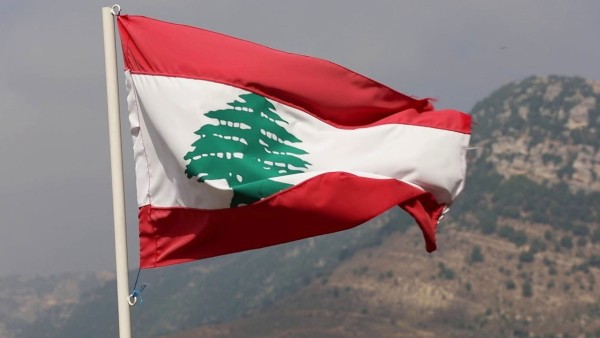
Ministerial sources: Peace efforts enjoy Gulf backing Beirut – “Al-Siyasa” – By Omar Al-Bardan Amid highly complex domestic circumstances that place Lebanon before urgent challenges, Prime Minister Nawaf Salam is carryin
Translated by Alqyas from Al-Seyassah — Original source
Ministerial sources: Peace efforts enjoy Gulf backing
Beirut – “Al-Siyasa” – By Omar Al-Bardan
Amid highly complex domestic circumstances that place Lebanon before urgent challenges, Prime Minister Nawaf Salam is carrying a set of weighty files to New York, where he will represent his country at the 81st session of the United Nations General Assembly. These files cast a heavy shadow over the internal situation, amid fears of an expansion of the Israeli war should Iran decide to activate the Lebanese front and its ally, Hezbollah, ignite the southern front.
Salam is expected to hold a series of diplomatic meetings on the sidelines of the UN General Assembly this week. According to ministerial sources who spoke to “Al-Siyasa,” he aims to “explain the official Lebanese position and seek Arab and international support for the path adopted by the government, given that the challenges facing Lebanon can only be addressed through an Arab, Gulf, and international framework.” The sources noted that the Prime Minister’s meetings provide an opportunity to brief the officials and leaders he will meet on the reality of developments in Lebanon, particularly regarding the file of negotiations with Tel Aviv and the delays encountered from the occupying side.
They clarified that the UNIFIL file will be at the core of the discussions. Among the proposals Salam is carrying is the retention of the international peacekeeping force, which enjoys international and UN backing under Resolution 1707, along with a revision of its mandate to align with the requirements for any international force in the coming phase, specifically regarding the containment of weapons and the extension of the army’s authority.
The sources added that the UNIFIL file will be a key item in Prime Minister Salam’s meeting with U.S. Secretary of State Marco Rubio. The U.S. Secretary is expected to demand increased pressure on Israel to implement the framework agreement, leading to a complete ceasefire, the expansion of pilot zones, and a halt to the demolition of buildings and residential areas in southern villages.
Arab diplomatic sources in Beirut told Al-Siyasa that Lebanon faces extremely complex circumstances amid Israel’s persistent attempts to circumvent the provisions of the framework agreement, seeking to evade its obligations and avoid implementation, particularly as the date for parliamentary elections approaches. On the other hand, it is no longer a secret that Iran is desperately trying to preserve the Lebanese card in its negotiations with Washington by maintaining control over Hezbollah, which refuses to hand over its weapons to the Lebanese state. This provides Israel with a pretext to continue its attacks on Lebanon. The sources indicated that there is Gulf and Arab support for the efforts undertaken by President Salam at the United Nations, reflecting the Arab and international commitment to assisting Lebanon in its negotiations with Israel, while simultaneously helping it rid itself of Iranian dominance. Tehran seeks to maintain this dominance by encouraging its ally, Hezbollah, to defy the decisions of Lebanese legitimacy and refuse to surrender its weapons to the Lebanese army.
The sources affirmed that the Arab and international communities strongly support the Lebanese government’s adherence to international legitimacy, embodied in UN Security Council Resolution 1701. This stands alongside understanding Beirut’s position demanding the continued presence of UNIFIL forces or the deployment of alternative European forces to guarantee security on both sides of the border with Lebanon. This comes amid a US-Israeli effort to entrench the framework agreement as a comprehensive and alternative reference for managing the southern file. The danger of the official Lebanese demand to compel Israel to adhere to the framework agreement lies in the fact that it may effectively consolidate the termination of the effects of Resolution 1701. If US and Israeli pressures succeed in drafting a new international resolution at the UN Security Council based on the framework agreement, it would mean a shift in the reference point from a binding international decision that defines sovereign obligations and a comprehensive Israeli withdrawal, to a procedural, negotiated agreement that imposes the facts on the ground as drawn by Israel through fire.
Among the files carried by the Lebanese Prime Minister is the agreement with the International Monetary Fund (IMF). Lebanon is seeking to sign a staff-level agreement on the sidelines of the United Nations General Assembly meetings in the middle of next week. Finance Minister Yassin Jaber will join the delegation, which will present a list of the reforms achieved and the laws enacted, including the banking secrecy law, the financial gap law, and the banking reform law. The meeting between President Salam and IMF Managing Director Kristalina Georgieva is of particular importance, as it will practically complete the financial confrontation that has returned to the forefront with force: the financial gap, the banks, deposits, the 2027 budget, and the taxes required to fund salaries and expenditures. This is where the biggest knot lies. Lebanon wants funds for reconstruction, increases for the public sector, and protection for depositors, while the outside world demands clear reforms, expenditure control, and a haircut in the distribution of losses. Thus, the government will go to Washington carrying a long list of demands, against an even longer list of conditions.
The meeting with World Bank President Ajay Banga reopens the reconstruction file from its broadest angle. The cost is high, and the available funding remains far below what is needed, while donor countries do not appear ready to open their treasuries without a clear political and financial vision. Meanwhile, a high-level Syrian economic delegation, including several ministers, is expected to visit Lebanon this week to participate in the Lebanese-Syrian Investment Forum. The delegation will hold a series of meetings aimed at enhancing economic cooperation between the two countries.
