Boukhodjr: Gulf Currency Dream Requires a Unified Central Bank
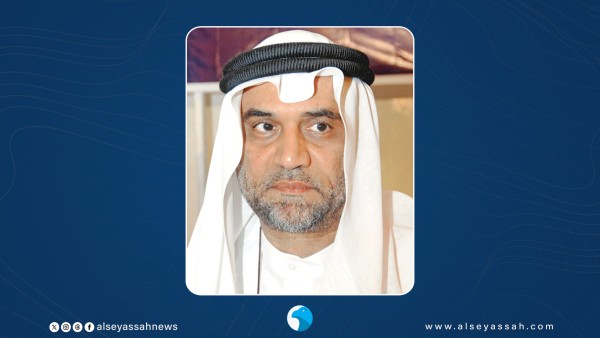
He emphasized that achieving this requires a package of fiscal and monetary policies to address geopolitical tensions, and to establish a monetary system ensuring the free flow of capital without obstacles.
By Najiha Bilal
The successive geopolitical tensions the region is experiencing have sparked critical debates about the concept of a unified Gulf currency, highlighting its urgent need today more than ever before. This urgency stems from the ongoing war in the region since late February last year, which continues to cast a heavy shadow over the economies of the Gulf Cooperation Council (GCC) countries.
This strategic monetary project has come under scrutiny, as enhancing economic integration among GCC member states has become an imperative necessity rather than a secondary option. Launching a common Gulf currency represents a fundamental pillar for eliminating remittance costs and facilitating the seamless flow of goods and services without monetary barriers. Furthermore, it plays a pivotal role in ensuring the smooth movement of capital and labor, while establishing a unified monetary policy that strengthens the region’s negotiating position and enhances its competitiveness in attracting foreign direct investment into a large, unified market that embodies the economic identity and shared destiny of Gulf peoples.
**Governments**
**Breaking News**
**Political News**
“Al-Siyasa” posed an important question: Do current conditions allow for the creation of a unified Gulf currency, and would its existence indeed strengthen economic and financial cooperation among GCC member states?
In response, economic expert Hajjaj Bukhadzur stated that the idea of launching a unified Gulf currency is achievable, but its success depends on establishing a set of measures that go beyond merely printing and issuing new currency. He noted that implementing this Gulf dream faces serious structural challenges, making it “difficult to achieve” at present.
**A Unified Central Bank**
He stressed that a common currency cannot succeed without a single central bank and a unified monetary and fiscal policy governing all member states. Therefore, launching any unified currency represents the pinnacle of the economic integration process and cannot begin before laying a solid legislative and institutional foundation. He pointed out that the first and fundamental step requires countries to cede part of their monetary sovereignty to a unified central bank responsible solely for managing interest rates and issuing currency—an extremely complex task given the differing economic priorities, inflation rates, and growth rates among countries.
**A Single Fiscal Policy**
Bukhadzur added that the success of this approach necessarily requires formulating a single fiscal policy and consistent budgetary provisions, alongside imposing strict caps on budget deficits and public debt. This is to prevent any country from excessive borrowing, which could weaken the purchasing power of the unified currency and harm other compliant countries, citing the well-known debt crisis previously faced by the Eurozone. Bukhadzur also called for building a coherent financial system that integrates the legal and regulatory environments of banks and financial markets to ensure the free flow of capital without obstacles. He emphasized the necessity of formulating coordinated economic plans that converge the disparate economic structures among countries (such as oil-producing and non-oil-producing nations) to synchronize their economic cycles.
Bukhadzur concluded his remarks by warning that a unified currency is not merely a new payment tool, but the final outcome of comprehensive economic integration. He affirmed that bypassing these difficult structural conditions to impose a common currency would deepen economic gaps and lead to severe crises rather than achieving the targeted development.
**A Package for Monetary Transformation**
To ensure a safe transition toward this monetary transformation, Bukhadhur outlined a package of additional measures that must be implemented to guarantee success. These include, foremost, the formulation of binding fiscal rules to regulate deficit and public debt levels, alongside the establishment of a financial stability fund. He also emphasized the importance of leveraging the advanced technological infrastructure of Gulf states by exploring the feasibility of integrating central bank digital currency projects as a preliminary step to facilitate interbank settlements and reduce costs. He noted that the most complex obstacle lies in the political dimensions concerning the distribution of influence and voting weights, the determination of the central bank’s headquarters, the management of monetary reserves, and the identification of entities responsible for bearing the costs of crises. He concluded his remarks by stressing that a common currency represents a genuine gain only when the savings from integration exceed the cost of relinquishing monetary independence, which necessitates the prior establishment of strong, shared institutions rather than their creation after the currency’s launch.
