Lebanese prosecutors seek to indict former President Michel Aoun in the Beirut port explosion case
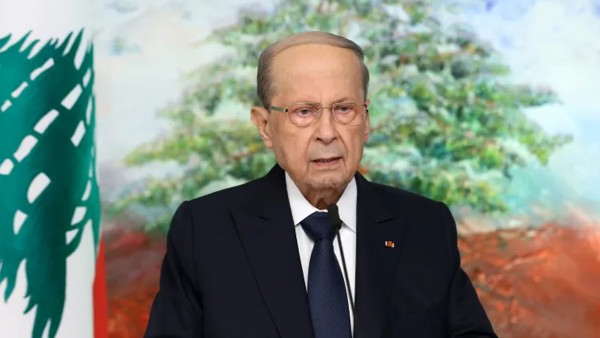
- More than 70 individuals within the scope of responsibility... and Biatar prepares to issue the indictment
More than six years after the Beirut Port explosion, one of the most sensitive judicial files in Lebanon has entered a new phase, after the Public Prosecution requested that charges be brought against former President Michel Aoun, as the investigation approaches the issuance of the indictment.
A judicial source revealed on Tuesday that the Attorney General of the Court of Cassation requested the investigating judge to "directly charge Aoun," who is 92 years old, on the basis that he "was aware in advance of the presence of ammonium nitrate in the port and its dangers, without taking the necessary measures or bringing the matter before the Supreme Defense Council," according to the French news agency AFP.
Cultural News
Political News
Digital Newspapers
The source clarified that the Attorney General of the Court of Cassation had earlier in the day submitted his opinion on the case to the investigating judge, in which he identified the responsibilities of more than 70 individuals, including politicians, security and military leaders, and officials who had previously been charged by the investigator.
The issuance of the indictment remains within the purview of the investigating judge, who is expected to issue it in the coming weeks, as he has the authority to accept the prosecution's requests or override some of them based on the facts and evidence reached by the investigation.
The prosecution's request to charge Aoun does not imply a verdict against him or the establishment of his liability, as this step falls within the judicial process preceding the issuance of the indictment and the start of the trial.
This development comes as the investigation into the August 4, 2020 explosion enters a decisive phase, following the disaster that claimed the lives of more than 220 people and injured over 6,500, in addition to the extensive damage inflicted on neighborhoods in the Lebanese capital.
Investigating Judge Tarek Biatar had concluded his investigations on March 30 of last year and referred the file to the Court of Cassation Public Prosecution to submit its opinion, a procedural step preceding the issuance of the final indictment. According to Lebanese judicial reports, the file includes approximately 70 defendants.
Over the past few days, the Attorney General of the Court of Cassation, Judge Mohammad Saab, completed the prosecution's opinion on the merits of the case, in preparation for returning it to Biatar.
The investigations have witnessed, over the years, a series of lawsuits, appeals, and judicial disputes that led to their suspension for long periods. Former political, security, and judicial officials refused to appear before Biatar or challenged his jurisdiction, while the families of the victims accused the political class of obstructing the pursuit of the truth.
In February of last year, a Lebanese indictment body confirmed the dismissal of previous proceedings against Biatar on charges of "usurpation of authority," removing an additional judicial obstacle to the completion of the investigation.
The massive explosion occurred after a fire broke out in a warehouse at the port that contained approximately 2,750 tons of ammonium nitrate, which had been stored for years in unsafe conditions, despite warnings about its dangers reaching state officials.
Aoun was serving as President of the Republic at the time of the explosion. He had previously stated after the disaster that he had been informed about the presence of hazardous materials in the port about three weeks before the explosion, and that he had requested the relevant security authorities to deal with them, denying that he had direct authority to handle the file.
The request to charge Aoun brings the case back to the forefront of the Lebanese scene, as Biatar now faces an advanced stage of the investigation involving the examination of the prosecution's opinion and making a decision regarding the individuals to be included in the indictment and the charges to be brought against them, before the case moves to the trial phase.
