GCC Secretary-General: Gulf Banking Sector Maintained Its Resilience and Stability Despite Current Conditions
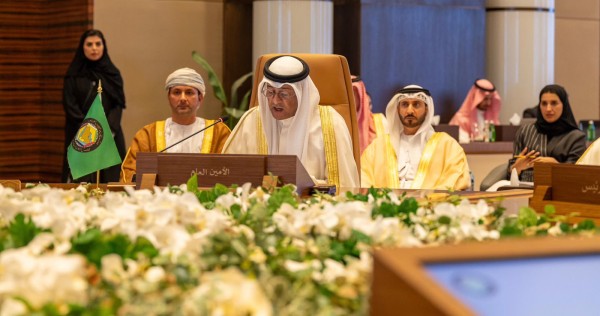
Al-Bidawi: Total deposits of Gulf commercial banks reached $2.45 trillion by end of June, up 6%
The Secretary-General of the Gulf Cooperation Council (GCC), Jassem Al-Bidawi, stated that the Gulf banking sector has maintained its resilience and stability despite current conditions, supported by advanced supervisory and regulatory frameworks, healthy liquidity levels, and adequate capital adequacy. This has strengthened its capacity to keep pace with all economic changes and continue its role in supporting economic activity and financing development in GCC member states.
This was stated in Al-Bidawi’s speech today, Monday, during the 87th meeting of the Committee of Central Bank Governors of the GCC states, hosted by the Bahraini capital, Manama, and chaired by Khalid Humaidan, Governor of the Central Bank of Bahrain, with the attendance of the central bank governors of the GCC states.
He added that the global economic landscape is witnessing rapid transformations amid successive geopolitical and economic developments, accompanied by market volatility and challenges in trade, investment, and supply chains.
He noted that given the close linkage between the economies of the GCC states and the global economy, these changes underscore the importance of continuing to enhance preparedness and the ability to address various challenges, thereby preserving economic, financial, and monetary stability.
He affirmed that the GCC states have demonstrated their ability to confront various crises and exceptional circumstances efficiently and effectively, maintaining the resilience of their economies. This is based on effective economic, financial, and monetary policies, strong institutions, and advanced frameworks for coordination and joint cooperation.
Al-Bidawi pointed out that GCC coordination has contributed to enhancing the ability of member states to deal with changes and challenges, confirming the importance of continuing and deepening joint GCC efforts, particularly in monetary and banking sectors. This strengthens financial stability, supports the efficiency of the banking sector, and consolidates the capacity of GCC economies to withstand changes and external shocks.
He referred to several indicators reflecting the resilience of the banking sector and monetary stability in the GCC states. These include a 6% increase in total deposits at commercial banks operating in the GCC by the end of June 2026, compared to their volume at the end of 2025, reaching approximately $2.45 trillion.
Al-Bidawi added that total assets of commercial banks operating in the GCC exceeded $4 trillion by the end of June 2026, representing a 3.9% increase compared to the end of 2025. Additionally, the volume of net foreign assets held by Gulf central banks reached approximately $829 billion by the end of June 2026, sufficient to cover 11 months of GCC imports.
He noted that the GCC states have maintained stable inflation levels despite current economic challenges. The GCC inflation rate stood at approximately 2.1% in May 2026, which is lower than the averages of major economic blocs. These indicators confirm the resilience of the GCC states' economies and the success of the GCC economic integration process, enhancing their competitive position at both the regional and international levels.
