Kuwait at the forefront of countries benefiting from the unified Gulf visa
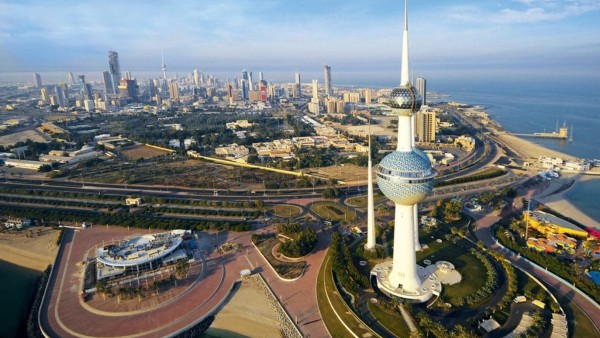
Al-Khashnam: A pivotal step toward achieving a leap in Gulf economic integration and attracting capital
Najah Bilal
The Gulf Cooperation Council (GCC) countries are moving toward a pivotal stage in their financial and professional history, with international and regional anticipation building for the imminent implementation of the unified tourist visa, as announced by GCC Secretary-General Jassem Al-Budaiwi. In this context, economic expert Ahmed Al-Khashnam described this move in a special statement to "Al-Siyasa" as a major strategic leap that will redraw the region’s investment map, propelling Kuwait and its sister states toward establishing a global tourism bloc capable of attracting massive foreign capital inflows and achieving comprehensive financial sustainability. He emphasized that this step serves as the primary driver for accelerating the gradual detachment from the traditional oil economy, laying the foundations for a sustainable knowledge and service-based economy.
A qualitative and historic leap
Al-Khashnam pointed out that the project to launch the unified GCC tourist visa represents a qualitative and historic leap in supporting the tourism sector in the region and enhancing the status of GCC countries as an integrated and interconnected regional and global destination. This strategic step enables the unification of marketing efforts and the attraction of substantial investment and tourism flows that would not have been achievable individually by each state, thereby placing the region on the international tourism map as a single, strong economic block competitive with the world’s top destinations that attract visitors from various continents.
Kuwait at the forefront of beneficiaries
Regarding the benefits for the Kuwaiti economy, Al-Khashnam affirmed that Kuwait will be at the forefront of beneficiaries of this structural transformation, given its advanced infrastructure and ambitious development projects aligned with its future economic vision. This new system offers Kuwait’s tourism outputs a golden opportunity for full integration with neighboring markets and to benefit from the human flows visiting the region.
He added that Kuwait is distinguished by a unique cultural and tourism identity that combines business tourism, shopping, and family entertainment activities, making it a key and attractive hub within the shared tourism routes through which foreign tourists will move freely and smoothly between the six GCC capitals without procedural obstacles. Furthermore, the circle of economic benefits will expand to include a broad range of vital sectors within both the Kuwaiti and broader Gulf economies.
[Sections: Astronomy, Social News, Cultural News]
Al-Khashnam predicted that hotels, resorts, and hospitality facilities would witness noticeable jumps in annual occupancy rates and growing demand for hospitality services at all levels. National airlines and regional carriers are also expected to reap significant gains resulting from increased air traffic and the flourishing of inter-city flights and intensive air connectivity. Moreover, a direct upturn will flow to local travel and tourism agencies, which will be tasked with designing comprehensive, multi-destination tour programs covering Kuwait and sister states simultaneously.
[Section: Travel and Hospitality Sector]
He stated that the positive impact is not confined to the travel and hospitality sectors but extends to the core of the consumer economy. Restaurants, cafes, luxury shopping malls, and heritage markets in Kuwait will benefit from the influx of visitors, thereby boosting overall tourist spending and ensuring its efficient and equitable distribution among the economies of the six Gulf Cooperation Council (GCC) countries. This will guarantee balanced and sustainable growth for the entire region, while revitalizing the retail sector and the diverse recreational and cultural activities that the country offers, which will now have access to a broader consumer market extending beyond local boundaries to include millions of visitors annually.
A Catalyst for Encouraging Investment
Regarding the long-term investment outlook, Al-Khashnam noted that the unified visa will serve as a fundamental catalyst to encourage both local and foreign capital to invest boldly and sustainably in Kuwait’s hospitality and support services sectors, as well as in the development of tourism infrastructure and recreational facilities. This development aligns with new global requirements, particularly as this economic dynamism will contribute to creating thousands of new jobs, directly and indirectly linked to the travel, tourism, hospitality, event management, and logistics sectors.
He clarified that these GCC government initiatives support the localization of jobs and the empowerment of young national cadres in innovative fields that align with plans to diversify national income sources, reduce reliance on traditional oil revenues, and build a flexible, knowledge-based, and service-oriented economy capable of efficiently and effectively addressing future challenges.
Gulf Tourism’s Contribution to the Economy Reaches $254.7 Billion in 2025
According to the latest reports and indicators issued by the Statistical Center of the Gulf Cooperation Council countries, the total contribution of the travel and tourism sector to the Gulf economy amounted to approximately $254.7 billion in 2025. This coincided with the region welcoming a record-breaking 75.7 million tourists, allowing Gulf states to capture 6.9% of total global tourism revenues. Gulf tourism recorded an annual growth rate of 7.3%, surpassing the global average growth rate of 6.7%. Meanwhile, the spending of Gulf tourists within GCC member states reached approximately $72.7 billion.
