Iran raises fuel prices... Explosion is imminent and the specter of uprising looms!
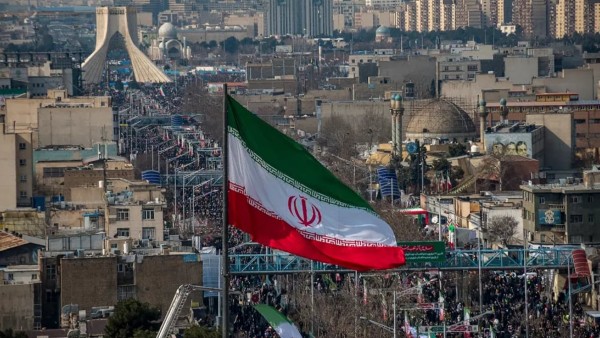
- Security tightened around gas stations amid implementation of new price hikes, amid fears of a widespread popular uprising
- Tehran prepares metro stations as shelters for civilians... claims "significant progress" in talks with Oman regarding "Hormuz"... announces damage to 27 airports during the war
Tehran, Capitals - Agencies: As the Iranian street boils in response to the mullah regime’s adventures that threaten regional stability and global supply security, Iran began implementing a new increase in gasoline prices targeting high-consumption users today. This marks the second fuel price hike since last December, amid growing economic pressures on the country due to war, sanctions, and declining purchasing power.
Seasonal Travel Plans
View Economic Analyses
Subscribe to Daily Newspapers
The Associated Press reported that Iranian authorities raised the price of gasoline for those consuming approximately 110 liters per month to 100,000 Iranian rials per liter, doubling the previous price of 50,000 rials. Meanwhile, the government maintained subsidized prices for quantities within allocated monthly quotas. The move comes as Iran faces increasing pressure on its fuel market, with domestic consumption reaching record levels of about 145 million liters daily, surpassing local production capacity and forcing the country to rely more heavily on gasoline imports to meet market needs.
The agency revealed that the new increase affects about 15 percent of consumers. The government aims to curb excessive consumption amid the prevalence of old cars and weak public transport, as well as to reduce the burden of fuel subsidies on public finances. Gasoline prices in Iran remain among the lowest globally due to a long-standing government subsidy system. However, continued subsidies have become an increasing burden on the economy, particularly with the depreciation of the currency and rising inflation rates.
According to the Associated Press, inflation in Iran has reached approximately 67 percent, while the local currency continues to decline, leading to a drop in purchasing power for more than 90 million Iranians. Wide segments of society fear that the fuel price hike will trigger a new wave of rising prices for goods and services, given the link between transportation costs and the prices of food and basic necessities.
According to the Associated Press, the gasoline price increase carries special political and social sensitivity in Iran, following a sudden fuel price hike in 2019 that sparked a massive uprising and widespread protests across all Iranian cities, resulting in thousands of deaths. Consequently, the implementation of the new increase was accompanied by tightened security around gas stations, amid fears of its social repercussions. The current move comes under more complex conditions, with ongoing war, economic pressures, and sanctions, leaving the government facing a difficult equation between the need to reduce fuel subsidies and control consumption on one hand, and avoiding igniting a new wave of inflation and protests on the other. The increase does not appear to be merely a financial measure, according to the agency, but rather reflects the magnitude of pressures facing the Iranian economy, even in the energy sector where the country holds vast oil and gas reserves. Furthermore, continued high domestic consumption limits Iran’s ability to direct more of its oil production for export, at a time when Tehran faces significant pressure on its foreign exchange resources.
Meanwhile, as Iranian Foreign Minister Abbas Araghchi revealed that significant progress had been made in talks with the Sultanate of Oman regarding the management of the Strait of Hormuz, and while Mohsen Rezaei, secretary of Iran’s Supreme National Security Council, claimed that Washington was helping five or six ships cross each night, only for those vessels to typically come under attack, reports indicated that residents of the Iranian capital, Tehran, would use the city’s numerous metro stations as shelters in the event of war.
A report published by the electronic website “Deadban” stated that the city is currently working on a plan and will soon post directional signs, according to Tehran City Council head Mehdi Chamran, following a meeting. Chamran said, as reported by the website, “We are currently preparing metro stations so they can be used as shelters. Essential facilities located within these stations or in their immediate vicinity are also being identified.”
While Tehran has approximately 160 metro stations, these may be too far for many of the city’s roughly 15 million residents to reach in time during an emergency. Iranian media report that some of these stations are located about 40 meters below street level.
For his part, Managing Director of Iran Airports and Aviation Company Morteza Dehghan announced that around 27 airports across the country sustained varying degrees of damage during the war, noting that the damage affected different parts of the infrastructure and facilities related to flight operations.
Dehghan said at a press conference that approximately 27 airports in the country were damaged to varying extents during the war, clarifying that the damage was not limited to specific structures but extended to several essential airport facilities and equipment.
According to the Iranian official, the damage affected airport runways, safety buildings, air navigation and inspection aids, and passenger terminals, necessitating rehabilitation work on parts of the damaged infrastructure. Dehghan described the rehabilitation of these facilities as “a difficult task, but it was completed,” without specifying the financial scale of the damage or the total cost of repair and reconstruction at the affected airports.
