GCC Secretary-General: Gulf security has reached an advanced stage of integration and readiness
Anticipating Transnational Crimes and Leveraging Artificial Intelligence to Enhance the Efficiency of Joint Security Operations
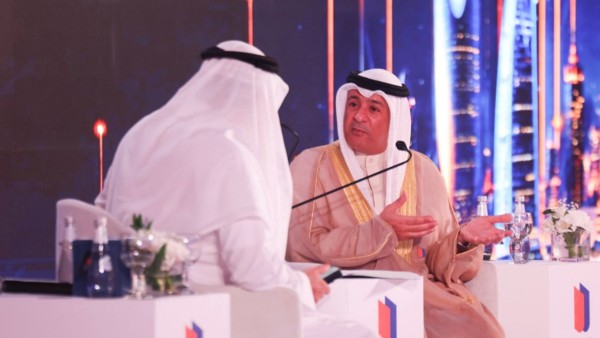
The Secretary-General of the Gulf Cooperation Council (GCC), Jassem Al-Budaiwi, affirmed on Sunday that Gulf security has reached an advanced stage of integration and joint readiness, emphasizing that the strength of the Gulf system stems from the strength of its member states and their ability to work together in facing common challenges.
This statement came during Al-Budaiwi’s participation in the “Security and History Dialogue” forum, organized by the Saudi Ministry of Interior in Riyadh under the theme “Our History and Our Future: Security and Prosperity,” sponsored by Saudi Interior Minister Prince Abdulaziz bin Saud, and attended by more than 160 speakers, including leaders, officials, experts, and academics from within and outside the Kingdom.
Educational
Local News
Opinion Articles
Al-Budaiwi stated that the evolving nature of crime and transnational threats necessitates a shift from reacting to crimes after they occur to anticipating them, dismantling their networks, and cutting off their resources. He highlighted the progress achieved by the GCC system in combating narcotics and money laundering crimes, as well as the completion of the draft GCC Strategy to Combat Cybercrime and Artificial Intelligence Crimes.
He added that artificial intelligence and modern technologies represent a significant opportunity to develop security operations, while simultaneously posing new challenges due to their exploitation in sophisticated criminal patterns. He stressed that GCC member states are building their capacities to anticipate future crimes and confront them with future tools, while keeping the protection of individuals, families, and society at the core of security efforts.
He pointed to the importance of joint operational readiness and how joint security exercises, most notably the “Arab Gulf Security” exercise, serve as a practical translation of integration among the security agencies of GCC member states, raising the level of coordination, response, and handling of changing security scenarios.
Al-Budaiwi affirmed that successful experiences in GCC member states constitute a shared Gulf asset whose expertise can be exchanged and built upon. He noted that the relationship between security and development has become more interconnected amid the major transformations witnessed by GCC countries, emphasizing that security does not merely stand on the sidelines of development but rather protects its trajectory and safeguards its achievements, while technology grants greater capacity to anticipate threats and protect humanity.
